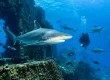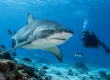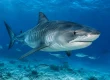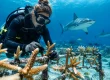
A bull shark moves through blue water with the unhurried confidence of an animal that belongs there. For many divers, that first close pass is the moment shark diving stops being a bucket-list idea and becomes something far more memorable: a direct encounter with a powerful, intelligent wild creature on its own terms.
Fiji offers that encounter with unusual intensity, but the best experiences are not built on adrenaline alone. They depend on disciplined dive operations, knowledgeable guides, carefully managed sites, and respect for the animals that bring divers to the water in the first place. When those elements align, a shark dive can be thrilling without being reckless, close without being intrusive, and meaningful long after the boat returns to shore.
What Makes Shark Diving in Fiji Exceptional
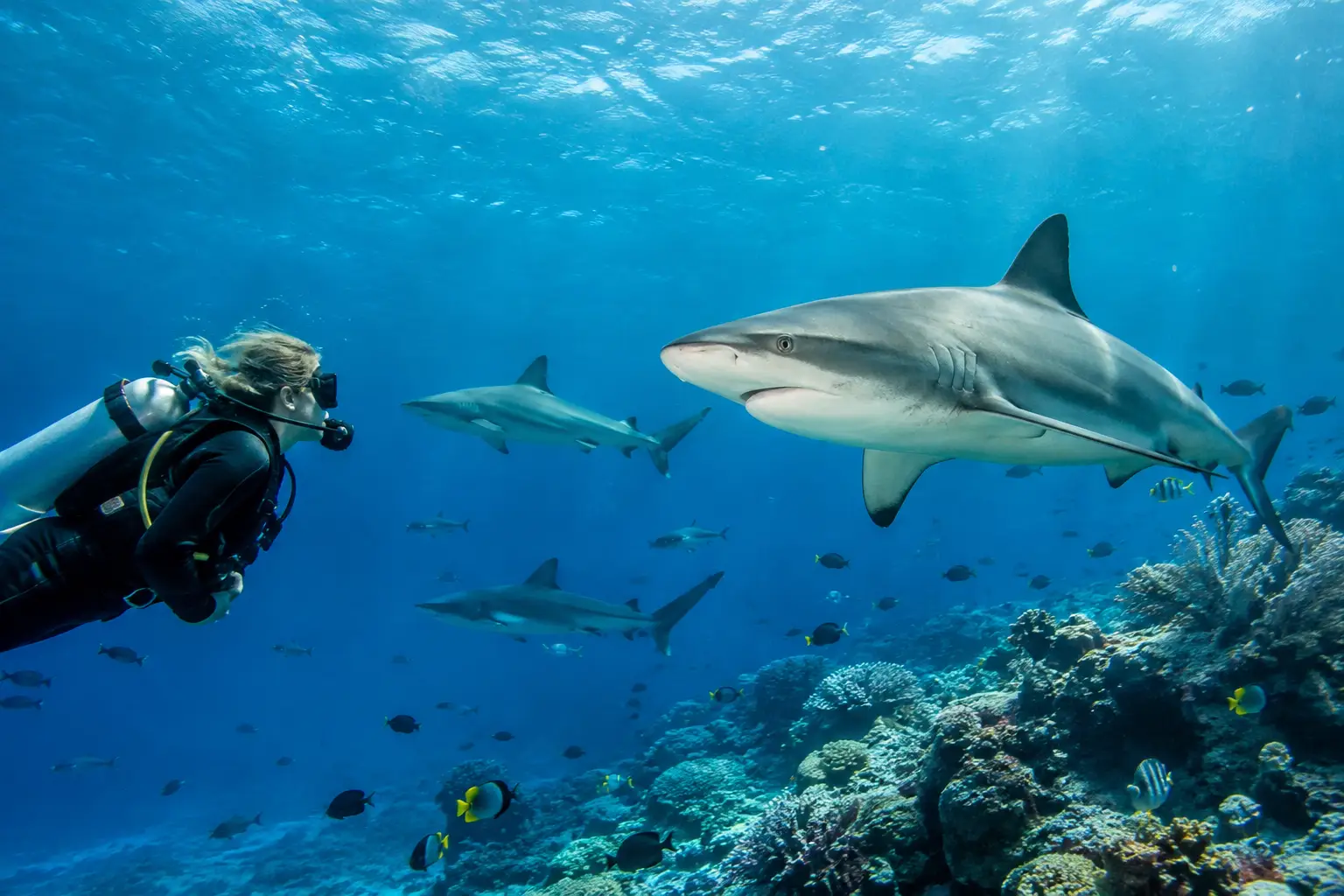
The waters around Beqa Lagoon have earned international attention for a reason. Warm water, nutrient-rich currents, and a productive reef system support a remarkable variety of marine life. On a well-run shark dive, divers may see bull sharks, nurse sharks, lemon sharks, whitetip reef sharks, blacktip reef sharks, and silvertip sharks, with other species possible depending on season and conditions.
The appeal is not simply the number of sharks. It is the opportunity to observe different species sharing the same environment, each moving, feeding, and responding in its own way. A reef shark may glide along the edge of the site with effortless control, while a larger bull shark can command attention with its solid build and deliberate approach. Watching those distinctions firsthand changes the way most divers understand sharks.
At The Colosseum, a private marine protected area in Beqa Lagoon, the setting adds another dimension. The site is managed for controlled, high-quality encounters rather than casual spectacle. That matters. Marine protected areas give resident marine life a more secure habitat and give dive teams the ability to establish consistent procedures that support both diver safety and responsible shark observation.
Visibility, current, and animal behavior are never guaranteed. That is part of authentic wildlife diving. Some days offer a wide-open view of sharks circling against a cobalt-blue backdrop; others feel more atmospheric, with figures appearing out of the distance and disappearing again along the reef. A professional operator prepares divers for both, rather than promising a scripted performance from wild animals.
The Difference Between Close and Careless
Close encounters make powerful photographs and stronger memories, but proximity is not the same as access. Responsible shark diving is structured. Divers are briefed on where to position themselves, how to maintain awareness, when to remain still, and why hands, fins, and cameras must stay controlled.
Good technique starts before anyone enters the water. The briefing should cover the site layout, descent and ascent procedures, expected shark behavior, emergency protocols, and the role of every guide. Once underwater, divers should follow the group formation precisely. This is not the place to chase an image, swim ahead of the guide, or separate from the group for a better angle.
Sharks deserve space, especially around food, other sharks, or changes in current. Divers should never attempt to touch, block, ride, or provoke an animal. Calm body language matters as much as physical distance. Slow movements, stable buoyancy, and a steady breathing rhythm make you less disruptive to the environment and more capable of appreciating what is happening around you.
There is also a practical reason for this discipline: shark dives often attract large groups of fish and other marine life. A diver who is focused only on the biggest animal in view can miss changes in position, depth, or current. Awareness is a safety skill, but it is also what turns the dive into a full ecosystem experience.
Why guides matter
Experienced local dive professionals read conditions that cannot be captured in a checklist. They understand how the site responds to weather and current, recognize behavior patterns among resident species, and know when a diver needs closer supervision. Their role is not to remove the wildness from the experience. It is to create the framework that lets divers experience it confidently.
This is especially valuable for photographers and videographers. A guide can help you choose a position that respects the group plan while improving your sightline, rather than encouraging the common mistake of swimming into the action. Patience usually produces better images than pursuit.
Who Should Go Shark Diving?
Shark diving is an excellent fit for certified divers who are comfortable in open water, can maintain neutral buoyancy, and are willing to follow clear instructions. You do not need to be an elite technical diver, but you should be honest about your experience level. A demanding current, deeper profile, or busy underwater environment may be more suitable for someone with recent dives and solid fundamental skills.
If you have not dived in a while, a refresher is often the smart choice. It restores comfort with equipment, buoyancy, mask clearing, air management, and underwater communication before the stakes feel higher. Divers who arrive prepared tend to relax sooner, use less air, and get more from the encounter.
New divers have a path in as well, but certification should come before the headline experience. Building skills through quality SSI training gives aspiring divers time to become comfortable underwater and develop the habits that matter around wildlife. There is no prize for rushing. The goal is to reach the shark dive ready to be present, not preoccupied with basic tasks.
For non-divers, snorkeling and introductory marine experiences can still offer an outstanding view of Fiji’s reefs, though they are not substitutes for a deeper shark encounter. The right option depends on comfort, training, medical fitness, and the day’s conditions.
How to Prepare for a Better Shark Dive
Preparation is straightforward, yet it has a major effect on your comfort and confidence. Arrive well rested, hydrated, and conservatively paced after travel. Avoid alcohol before diving, listen closely to the briefing, and make sure your gear fits correctly before the boat leaves. A fogging mask or unfamiliar fin strap becomes much more distracting when sharks are passing in front of you.
Bring an underwater camera only if you can operate it without compromising buoyancy or awareness. For many first-time shark divers, the better decision is to leave the camera behind for the first dive. Learn the rhythm of the site, observe the sharks, and let the experience settle in. You can always plan a later dive around photography.
Your equipment should support calm, controlled movement. A well-fitting exposure suit, properly weighted BCD, reliable regulator, and clear mask are more valuable than extra accessories. If you use a camera, secure it with an appropriate lanyard and keep it close to your body when not shooting.
Most importantly, arrive with realistic expectations. Shark diving can be emotional. Some divers feel a surge of nerves on descent, even after years underwater. That response is normal. Trust the briefing, slow your breathing, and focus on the guide’s instructions. The fear often gives way to awe once you see how composed the animals are in their environment.
A Conservation Experience, Not Just an Attraction
The strongest reason to protect sharks is visible underwater. A living shark is not an abstract statistic or a scary image from a screen. It is an apex or mesopredator with a vital role in keeping marine food webs balanced. Healthy shark populations can indicate a healthier ocean system, while their decline can ripple through reefs and fisheries.
Conservation-minded shark diving makes that connection tangible. Entrance fees, marine park management, research support, diver education, and responsible tourism can all help create economic reasons to value sharks alive. The model is not perfect by default. It requires transparent practices, careful site management, and operators willing to place ecological responsibility above short-term volume.
Coral Coast Divers approaches this work through guided shark encounters alongside marine education, shark behavior awareness, and reef-focused conservation efforts. For visiting divers, that means the experience can carry more weight than a single extraordinary descent. Your trip supports a tourism economy that treats the reef and its predators as assets worth protecting.
The most valuable thing you can bring home is not only a dramatic photo. It is a more accurate view of sharks: alert, capable, ecologically essential animals that deserve informed respect. Carry that perspective into your next conversation, your next dive plan, and the choices you make as an ocean traveler.