A Fiji shark dive is not a rushed glimpse of a fin disappearing into blue water. At The Colosseum, the experience is built around time, positioning, disciplined procedures, and the extraordinary privilege of sharing space with some of the ocean’s most misunderstood predators.
For certified divers, this is one of the defining underwater experiences in Fiji. For aspiring divers, it can become a powerful reason to gain the training and comfort needed to visit the reef with confidence. The appeal is obvious: large sharks, clear tropical water, and close-range encounters. What makes the experience meaningful, however, is the professional structure behind it and the conservation responsibility that comes with every descent.
Why a Fiji Shark Dive Belongs on a Serious Diver’s List
The Beqa Lagoon region offers a rare combination of conditions: productive waters, healthy reef habitat, and a long-standing connection between local communities and shark stewardship. The Colosseum is a private marine protected area designed to give divers an exceptional shark encounter while placing site protocols and marine protection at the center of the operation.
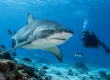
This is not a cage dive or an amusement-park spectacle. Divers enter the sharks’ environment under the direction of trained professionals, following a planned profile and clear behavioral expectations. The atmosphere can be electric, particularly when large bull sharks move through the area with calm, deliberate confidence. Yet the best moments are often quieter: a shark changing direction with a slight movement of its tail, a reef fish school parting around a passing silhouette, or the realization that these animals are alert, purposeful, and far more complex than their reputation suggests.
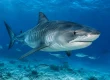
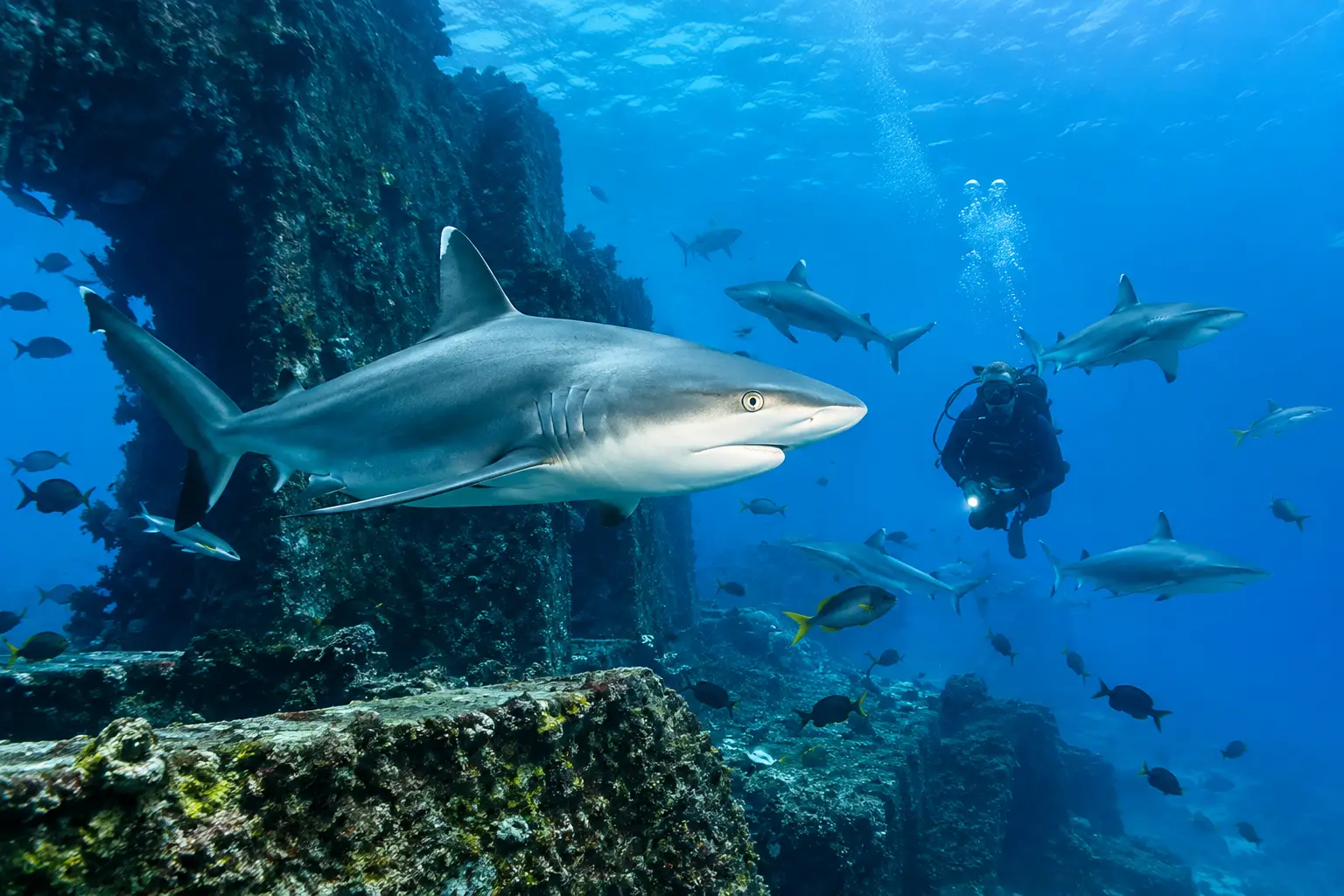
Encounters vary because wildlife is never scripted. Depending on conditions, season, and natural behavior, divers may see bull sharks alongside species such as nurse sharks, reef sharks, lemon sharks, and, on fortunate days, tiger sharks. No responsible operator should promise a particular species or a certain number of animals. The value lies in entering a habitat where shark activity is supported by protection, consistency, and respect.
What the Colosseum Experience Feels Like
A shark dive begins well before anyone reaches the water. A thorough briefing establishes the day’s procedures, the dive plan, positioning, descent method, hand signals, and the conduct expected around marine life. This preparation is not ceremonial. It gives every diver a shared framework, which helps the group stay composed and allows guides to manage the site effectively.
Once underwater, divers settle into a designated observation area and let the scene develop. Sharks may pass close enough to reveal individual markings, scars, muscle movement, and the steady rhythm of their swimming. There is a difference between excitement and panic, and good preparation makes room for the first while reducing the second.
The experience is highly visual, but it is also sensory. You may hear the crackle of reef life beneath the low rush of bubbles. You may notice how much more deliberate your own breathing becomes when a large shark approaches. Cameras are welcome tools for documenting the moment, but they should never replace awareness. A diver focused only on a viewfinder can miss changes in their buoyancy, their position, or the group’s signals.
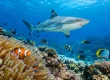
After the primary shark encounter, the surrounding reef can be just as rewarding. Beqa Lagoon’s marine environment brings color, texture, and reef life into the same day, creating a fuller perspective than a single headline encounter can provide.
Safety Depends on Training, Not Bravado
A premium shark dive should feel adventurous, never casual. The objective is not to prove fearlessness. It is to participate in a remarkable encounter with the skills, equipment, and judgment to do it well.
Divers should arrive with current certification, recent diving experience, and comfort in the water. Requirements can vary according to the day’s profile, conditions, and operator standards, so it is wise to discuss your experience honestly before booking. If you have been out of the water for a while, a refresher dive is often the best decision. It restores buoyancy control, equipment familiarity, and confidence before a high-focus experience.
Excellent buoyancy matters. Good trim helps you maintain your assigned position without stirring the bottom or drifting toward another diver. Calm, controlled movement matters too. Sharks interpret their surroundings through an array of sensory cues, and predictable diver behavior supports a stable environment for everyone.
A professional team will establish procedures for entry, descent, positioning, ascent, and unexpected changes in conditions. Listen closely, stay with your group, and follow guidance immediately. Do not reach toward sharks, chase them for a better image, or separate from the planned area. Those actions are unsafe, disrespectful, and unnecessary. The strongest shark photographs and memories usually come from patient observation.
Who Should Take This Dive?
The ideal participant is a certified diver who wants a serious wildlife encounter and understands that the ocean sets the terms. You do not need to be an underwater photographer, marine scientist, or technical diver. You do need to be willing to prepare, follow procedures, and remain calm when the action becomes intense.
Experienced divers often choose the site for the scale and quality of the shark encounters. Photographers appreciate the chance to work with large subjects in a controlled group setting, although camera handling should match the diver’s skill level. Marine-minded travelers value the opportunity to see sharks as essential parts of a functioning ecosystem rather than as movie villains.
Newer divers should not automatically rule themselves out, but they should be realistic about readiness. A few additional guided dives, a buoyancy-focused session, or completing certification before the trip may transform an intimidating idea into an enjoyable one. Coral Coast Divers can help guests identify an appropriate path through SSI training, guided diving, and skill development before scheduling a shark-focused experience.
How to Prepare for Your Fiji Shark Dive
Preparation begins with the basics: bring certification documentation, complete required paperwork accurately, and communicate any relevant medical or diving history before the trip. If you use your own equipment, have it serviced and make sure you are comfortable configuring it. Rental equipment should fit correctly and be checked before boarding.
Pack for the conditions, not just the photographs. A properly fitting exposure suit helps with comfort and protection, while a surface marker buoy, audible signaling device, and appropriate dive computer are sensible components of a well-prepared recreational setup. Your dive team will explain any site-specific equipment expectations during booking or check-in.
The evening before, prioritize sleep, hydration, and a moderate meal. Avoid alcohol and do not arrive dehydrated after a long flight. These simple choices influence how alert and comfortable you feel underwater. On the boat, ask questions before the briefing ends. A strong diver is not the person who already knows every answer. It is the person who understands the plan and speaks up when something is unclear.
If you plan to film or photograph, choose a setup you can operate without distraction. A compact camera may be a better choice than a complex rig for divers who have not practiced with larger housings. Secure accessories, know your controls, and remember that no image is worth sacrificing buoyancy, awareness, or the group’s safety.
Shark Encounters and Conservation Are Connected
Shark diving can support conservation when it is conducted with disciplined practices, local respect, and a genuine commitment to marine protection. Sharks are apex and mesopredators that influence the balance of marine food webs. Their decline can affect reef ecosystems far beyond the loss of one charismatic species.
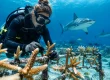
A protected dive site creates a direct economic reason to value living sharks. It also gives visitors a more informed perspective. Seeing a bull shark move through its natural environment challenges the shallow idea that sharks are mindless threats. They are wild animals, and they deserve caution. They also deserve protection from overfishing, habitat loss, and misinformation.
Responsible visitors play a role. Choose operators that prioritize safety standards and marine stewardship. Do not buy shark products. Keep fins, hands, and equipment away from coral. Support reef restoration and marine education efforts where possible. Conservation is not a slogan added after the adventure. It is the condition that allows the adventure to continue.
Make the Most of the Day
Arrive ready to participate rather than simply consume an experience. Listen carefully, move deliberately, and let the encounter happen at its own pace. The most memorable Fiji shark dive is rarely defined by how close one animal came to your camera. It is defined by the moment you recognize that a healthy ocean still has the power to stop you in your tracks – and that protecting it is part of the privilege of being there.