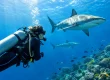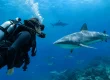
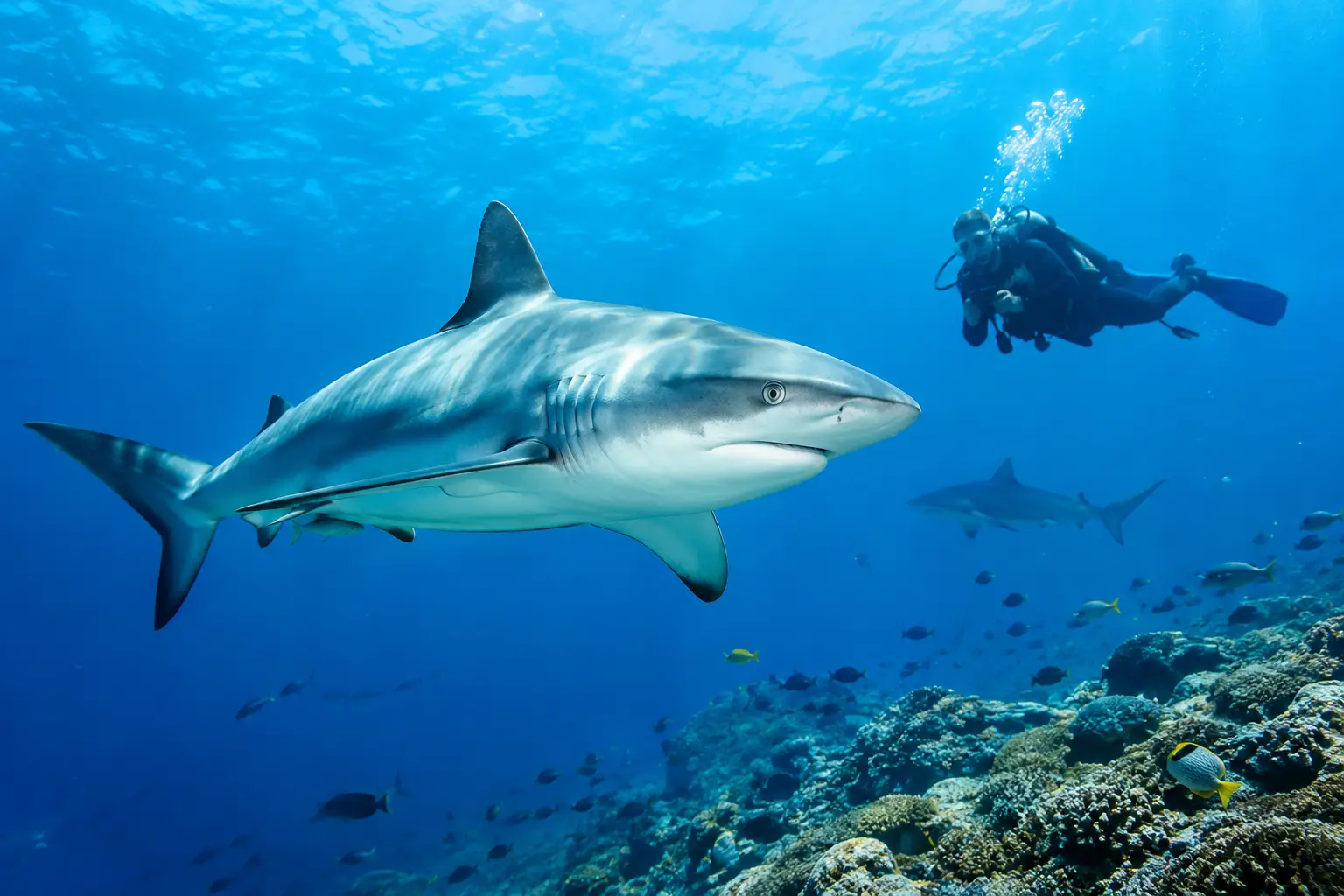
A large bull shark moves through clear blue water with the calm, deliberate confidence of an animal that knows this reef is its territory. That moment is why travelers search for the best shark dive in Fiji – but the right experience is about far more than proximity. It should combine exceptional shark encounters with disciplined procedures, experienced guides, small-group awareness, and meaningful protection for the ecosystem that makes the encounter possible.
For certified divers, Beqa Lagoon offers one of the Pacific’s most compelling places to meet sharks in their natural environment. The Colosseum, a private marine protected area near Pacific Harbour, is built for divers who want the real scale and energy of Fiji shark diving while expecting a professional operation behind every memorable minute underwater.
What Makes the Best Shark Dive in Fiji Different
A great shark dive is not measured by how close a shark comes to a camera. It is measured by how controlled, respectful, and natural the entire encounter feels. Sharks are powerful wild animals, and a premium experience creates the conditions for observation without treating them as props.
At The Colosseum, divers descend into a structured viewing area and remain in designated positions while professional shark handlers manage the site. This discipline matters. It gives divers clear expectations, limits unnecessary movement, and allows sharks to approach and depart on their own terms. The result can feel intensely close, yet it is grounded in procedures designed to support both diver safety and animal welfare.
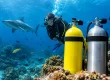
The setting also has remarkable variety. Bull sharks are often the headline species, with their broad frames and unmistakable presence. Depending on season, conditions, and daily marine activity, divers may also encounter tiger sharks, lemon sharks, nurse sharks, and reef shark species. Wildlife is never a guarantee, and that is part of the integrity of a true ocean experience. What can be expected is a carefully managed dive at a site known for sustained shark activity.
The Colosseum Experience in Beqa Lagoon
The Colosseum is not a quick thrill ride. It is an immersive, multi-level shark encounter in a protected marine environment. The dive profile is planned around observation, positioning, depth, bottom time, and conservative ascent practices, rather than rushing divers toward a single photo opportunity.
The first impression is often the scale. Sharks may appear first at the edge of visibility, then pass through the water column with surprising ease. Bull sharks in particular command attention, yet close observation reveals behavior that is more nuanced than the stereotypes. You may see them assess their surroundings, maintain spacing, change direction with a small movement of the tail, or move through the group with remarkable calm.
This is where an expert briefing makes the difference. Before entering the water, divers should understand where to settle, how to maintain good trim, when to keep hands close to the body, and why eye contact and steady movements matter. The purpose is not to make the encounter feel restrictive. It is to help every diver feel composed enough to fully take it in.
Coral Coast Divers operates its shark diving with this combination of excitement and operational clarity. The focus is on an elite underwater experience supported by trained professionals, well-maintained equipment, and a serious respect for the animals that bring divers to Fiji.
Safety Is Part of the Adventure
Shark diving carries a higher level of responsibility than a casual reef excursion. The strongest operators do not minimize that reality. They explain their protocols plainly and make sure divers have the experience, buoyancy control, and confidence required for the conditions.
A proper pre-dive briefing should cover entry and exit procedures, the planned layout of the site, behavior around sharks, camera management, emergency signals, and what to do if currents or visibility change. Guides should be attentive throughout the dive, not simply present in the water. For photographers, this also means understanding that a wide-angle shot is never worth leaving a safe position or interfering with another diver’s line of sight.
The trade-off is simple: a highly structured encounter may not suit someone looking to roam independently across a reef. For divers who value close wildlife observation, though, structure is what makes the experience possible. It gives the group a shared framework and helps the sharks encounter divers in a calm, predictable way.
Divers should also be honest about readiness. Strong open-water skills, controlled descents, stable buoyancy, and comfort in deeper water will make the day substantially more enjoyable. If it has been a while since your last dive, a refresher or guided orientation dive beforehand can be a smart choice. Adventurous does not have to mean unprepared.
How to Prepare for Your Shark Dive
Fiji’s warm water can make shark diving look effortless in photos, but preparation improves every part of the experience. Pack or request equipment that fits correctly, especially your mask, exposure protection, and fins. A leaking mask or poorly weighted setup becomes more distracting when your attention should be on the marine life.
Keep your profile conservative the day before and after the shark dive. Arrive well hydrated, rested, and without a rushed schedule. If you are completing multiple dives during your stay, let the dive team know about your recent and planned dive activity so they can help organize an appropriate itinerary.
Camera divers should keep their setup streamlined. A large rig can be rewarding at The Colosseum, but it needs to be managed with care. Practice clipping it close to your body, avoid extending it toward animals, and remember that the best footage often comes from patience. Let a shark enter the frame rather than chasing a frame around the site.
Shark Encounters and Conservation Belong Together
Fiji shark diving has value because it helps people see sharks as essential predators rather than objects of fear. A bull shark passing close by is undeniably exhilarating, but it can also change how a diver understands the health of a reef system. Apex predators influence marine ecosystems in ways that reach far beyond a single encounter.
Responsible tourism needs to return value to the environment. Protected areas, careful site management, marine education, reef restoration, and shark behavior research all help create a model where tourism supports the places it depends on. Divers have a role as well. Choose operators that explain their practices, follow the briefings, avoid touching marine life, and see conservation as an active commitment rather than a marketing line.
The best wildlife encounters leave divers with more than dramatic images. They create a lasting respect for the animals and a stronger reason to protect the ocean after the vacation ends.
Is This Dive Right for You?
The best shark dive in Fiji is especially well suited to certified divers who want an iconic encounter with serious operational standards. It appeals to experienced recreational divers, underwater photographers, and ocean-minded travelers who want adrenaline without sacrificing professionalism.
It may be less suitable for someone who is newly certified, uneasy with close animal encounters, or still developing buoyancy control. That does not mean Fiji is off limits. Beqa Lagoon has beautiful reef diving, snorkeling, training options, and marine adventures that can help visitors build skills before choosing a more advanced shark experience.
For the right diver, The Colosseum offers a rare kind of perspective: not sharks viewed from behind glass or at a distance, but living animals moving through a protected ocean environment with power, purpose, and complete command of the water. Come prepared, listen closely, and give the encounter the attention it deserves.