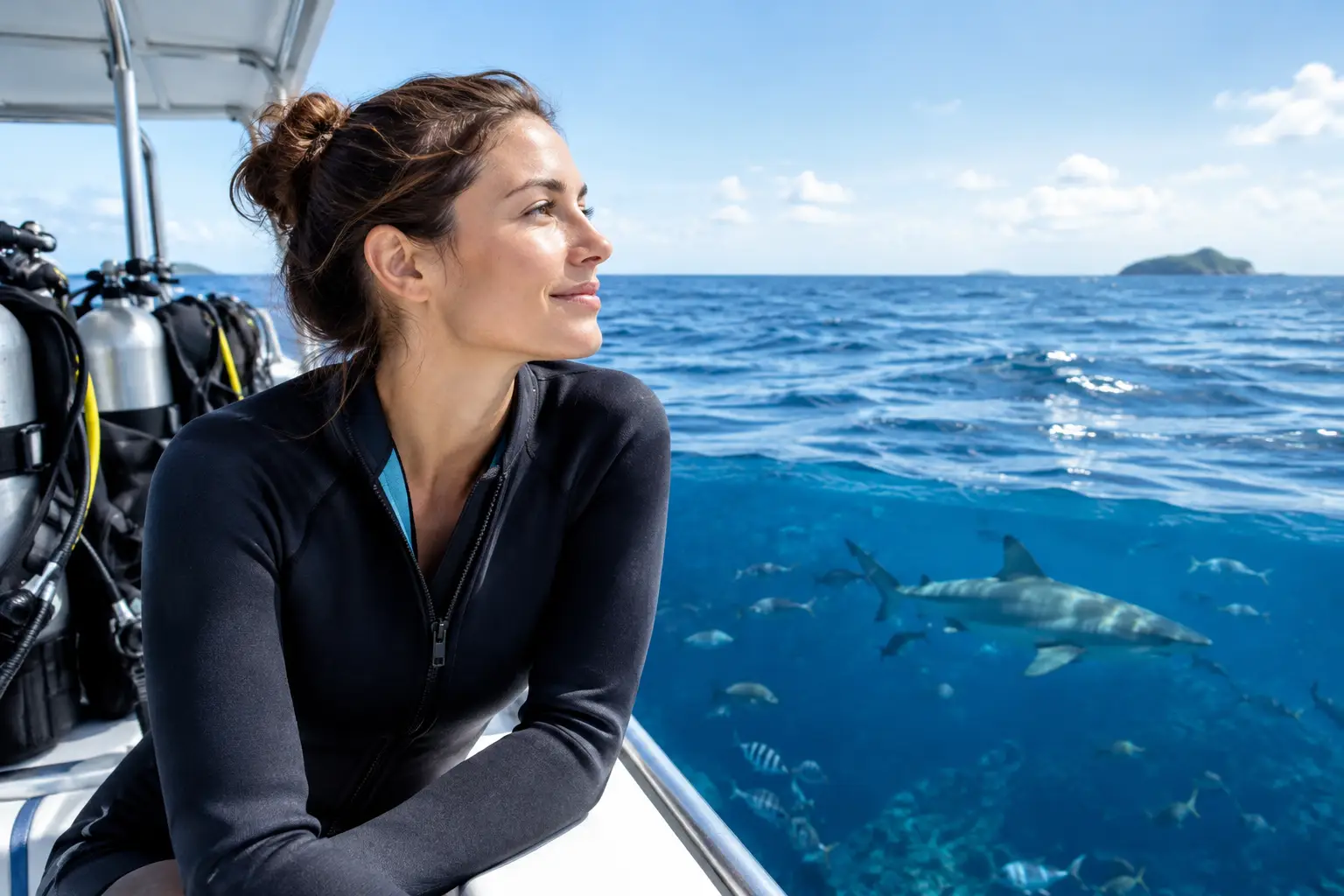
A rough boat ride can turn anticipation for a shark encounter or a pristine reef into a battle with your own stomach. The good news is that most divers can prevent seasickness before dive trips with a plan that starts the day before departure, not when the boat is already moving.
Seasickness is not a measure of toughness, experience, or fitness. It is a sensory mismatch: your inner ear detects motion while your eyes may be focused on a stable-looking deck, camera screen, or dive computer. Even divers with hundreds of logged dives can feel it on a windy day, after poor sleep, or when they have skipped breakfast. Treat it as a manageable part of boat diving, and you will protect both your comfort and your underwater experience.
How to Prevent Seasickness Before Dive Trips
The most effective approach layers several small choices. Get enough sleep, eat sensibly, choose the right prevention method for your body, and position yourself well once aboard. No single tactic works perfectly for every person, but this combination gives you the best odds of arriving at the dive site focused, hydrated, and ready.
Start the night before
Sleep is one of the most overlooked factors in motion sickness. Fatigue makes your balance system more sensitive and makes nausea harder to manage once it begins. Before a morning dive trip, aim for a full night of rest and avoid a late night of heavy food or alcohol.
Alcohol can leave you dehydrated, disrupt sleep, and make nausea more likely. It also has no place around diving. Save the celebratory drink for after the day’s diving is complete and your crew has confirmed you are clear to enjoy it.
Hydration matters too, especially in warm tropical conditions. Drink water consistently the day before and on the morning of your trip. Do not overcorrect by chugging a large amount just before boarding. A comfortably hydrated body handles heat, exertion, and mild nausea better than a dehydrated one.
Eat a light, steady breakfast
Diving on a completely empty stomach is not the answer. Hunger can feel remarkably similar to seasickness, and low energy makes a long surface interval less enjoyable. Instead, choose a modest, familiar breakfast with simple carbohydrates and a little protein, such as toast and eggs, oatmeal, banana, yogurt, or rice.
Avoid very greasy, spicy, or unusually rich meals before a boat day. The same applies to foods you already know do not agree with you. Coffee is individual: if you normally drink it and it sits well, a moderate amount may be fine. If caffeine makes you jittery or nauseated, skip it or choose a lower-caffeine option.
Choose medication thoughtfully
For divers with a known history of motion sickness, medication may be a sensible part of the plan. Common options include antihistamine motion-sickness tablets, prescription patches, and non-drowsy approaches recommended by a physician or pharmacist. The right choice depends on your health history, other medications, and how your body responds.
The important rule for divers is simple: never try a new motion-sickness medicine for the first time on an important dive day. Some products can cause drowsiness, blurred vision, dry mouth, confusion, or reduced alertness. Those effects are a poor match for scuba diving, where awareness, communication, and sound judgment matter.
Speak with a qualified medical professional before your trip, particularly if you are pregnant, have glaucoma, prostate issues, heart conditions, or take regular medication. Follow the label or medical guidance on timing. Many motion-sickness medicines work best when taken before the boat leaves, not after symptoms have started.
Natural options such as ginger chews, ginger tea, acupressure bands, or peppermint may help some travelers with mild nausea. They are not a replacement for medical advice or a proven medication plan when you are highly susceptible, but they can be useful additions to your routine. Test them before travel rather than relying on them for the first time at sea.
On the Boat: Give Your Body Better Signals
Once the boat departs, your goal is to reduce the conflict between what your eyes see and what your inner ear feels. Fresh air, a clear horizon, and a stable place to sit can make a genuine difference.
Choose a seat near the center of the boat, where pitching and rolling are usually less pronounced than at the bow or stern. If conditions allow, stay outside in the fresh air and look toward the horizon. Looking down at a phone, sorting through camera settings, or reading a briefing sheet while underway can trigger symptoms quickly.
Tell the crew early if you are prone to seasickness. Professional dive teams would much rather help you choose a good seat, offer water, and keep an eye on you before you feel unwell. There is no award for suffering quietly. Clear communication is part of good dive planning.
If nausea starts, act immediately. Move your gaze to the horizon, get fresh air, loosen any restrictive clothing, sip water, and avoid strong food smells. Slow, steady breathing can help prevent anxiety from intensifying the sensation. Keep your attention outward instead of repeatedly checking whether you feel worse.
Pack for comfort, not clutter
A prepared dry bag makes the ride easier and keeps minor discomfort from becoming a distraction. For a boat-based dive day, bring these practical essentials:
- A refillable water bottle and a light, familiar snack
- Motion-sickness medication or remedies you have already tested
- Sunglasses and a hat for glare, plus reef-safe sunscreen for time on deck
- A small sealable bag and tissues, just in case
If you use a prescription patch or medication, bring its packaging or note the name on your phone. It helps if a medical professional needs to understand what you have taken. Keep all medication dry and accessible rather than buried beneath wetsuits and camera gear.
Plan Your Dive Day Around Conditions
Boat motion changes with weather, wind direction, tide, vessel type, and distance to the site. A day that feels calm in the marina can become choppy once the boat reaches open water. Ask your dive operator what the forecast looks like, how long the ride is expected to be, and whether a more protected site may be available.
This is especially useful if you are new to boat diving, returning after a long break, or testing a prevention strategy. Beginning with a shorter ride or calmer conditions builds confidence. You do not need to prove anything by choosing the most exposed itinerary on your first day back.
For divers visiting Pacific Harbour, conditions can also vary by season and by the specific route to the dive site. A professional local team plans around safety first, but being prepared for a moving boat lets you enjoy the experience rather than fixate on the transit. At Coral Coast Divers, that preparation supports the kind of calm, focused entry divers want before an extraordinary underwater encounter.
What to Do If You Are Sick Before the Dive
Getting seasick does not automatically mean you cannot dive, but it does mean you should pause and assess honestly. Vomiting can cause dehydration and fatigue. Severe nausea can reduce your ability to listen to a briefing, set up equipment carefully, equalize comfortably, and respond effectively underwater.
Tell your dive professional exactly how you feel. Do not minimize symptoms because you are eager to make the dive. The crew can help determine whether rest, fluids, a revised plan, or sitting out a dive is the safest choice. Missing one descent is disappointing; forcing a dive when you are unwell can compromise your safety and take attention away from your buddy and the team.
If you do enter the water after mild symptoms have passed, take your time. Complete your buddy check carefully, use a controlled entry, and descend only when you feel settled. Many divers find that once they are underwater, the steady environment feels much better than the moving boat. That relief is common, but it should never replace a sound pre-dive assessment.
Make Prevention Part of Your Dive Routine
The best seasickness strategy is personal. Keep a quick note after each boat day: what you ate, how you slept, the conditions, where you sat, and which remedy you used. Within a few trips, patterns often become clear. Maybe ginger and a center seat are enough on calm days, while a doctor-approved preventive medication is better for longer crossings.
A well-planned boat ride leaves room for the moments that matter: the first glimpse of a reef below the surface, the quiet focus of a descent, and the privilege of meeting marine life in its own environment. Prepare early, listen to your body, and let the journey to the site become part of the adventure rather than the obstacle before it.