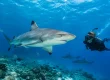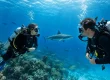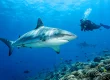

A final morning on a Fiji reef can feel like the perfect end to a dive vacation – until an afternoon flight appears on the itinerary. So, when can divers fly after scuba diving? The short answer is: only after allowing enough time for your body to safely release excess nitrogen. That wait is not a formality. It is a key part of responsible dive planning, especially after several days of memorable reef, wreck, or shark dives.
Flying too soon after diving increases the risk of decompression sickness, commonly called DCS. The lower pressure inside an aircraft cabin can cause nitrogen bubbles to form or expand in body tissues. Even a diver who felt completely comfortable on the boat can become symptomatic after takeoff. The goal is simple: build a conservative surface interval between your final dive and your flight.
When Can Divers Fly After Scuba Diving?
For recreational divers, widely used guidance recommends at least 12 hours before flying after a single, no-decompression dive. After multiple dives in one day or multiple days of diving, wait at least 18 hours. If you have made decompression dives, plan for a substantially longer interval than 18 hours.
Those time frames are minimum recommendations, not a challenge to see how tightly a travel schedule can be arranged. A conservative plan is often the better choice, particularly after a demanding itinerary, repeated deeper dives, strong currents, limited sleep, dehydration, or alcohol. If your flight schedule allows it, leaving a full day between your last dive and departure gives you more margin and makes the final day of your trip far more relaxed.
Your surface interval begins when your last dive ends, not when the boat returns to shore or when you finish lunch. If you surface from your final dive at 10:00 a.m., that is the time you use when calculating your wait before flying.
The Practical Rule for Most Vacation Divers
A diver completing one shallow, no-decompression dive may be ready to fly after 12 hours. In real travel terms, that could mean an evening flight after a morning dive, but only if the dive was genuinely a single no-decompression exposure and there are no additional risk factors.
Most dive travelers do more than one dive. A typical Fiji day may include a morning reef dive and a second dive later in the day, while a multi-day trip builds residual nitrogen across the entire itinerary. In these more common situations, 18 hours is the minimum planning standard. Many divers choose 24 hours after their final dive, especially before a long international journey.
For decompression diving, there is no one-size-fits-all clock that fits every profile. Your required surface interval depends on the depth, duration, decompression obligation, gas used, repetitive exposure, and altitude of the flight. Follow the plan developed for that dive, your computer or software guidance, and the direction of a qualified dive professional. When there is uncertainty, wait longer.
Why Flying Changes the Risk After Diving
At depth, your body absorbs nitrogen from the gas you breathe. As you ascend slowly and make appropriate safety or decompression stops, that dissolved nitrogen is released through normal breathing. The process continues at the surface.
An aircraft cabin is pressurized, but not to sea-level pressure. The reduced cabin pressure is similar to going to altitude. That additional pressure reduction can make it harder for your body to manage the nitrogen still present after a dive. If bubbles form in tissues or circulation, DCS can affect joints, skin, the nervous system, lungs, or balance.
Symptoms can vary widely. They may include unusual fatigue, joint or limb pain, tingling, numbness, dizziness, weakness, a rash, trouble breathing, or difficulty walking. Symptoms can be mild at first and still require urgent assessment. Never dismiss a possible DCS symptom because a dive was within computer limits or because the flight was short.
If symptoms develop after diving, do not fly. Seek emergency medical help and contact a dive medicine resource for guidance. Early assessment matters, and flying can make a potentially serious problem worse.
Factors That Can Call for More Time
The minimum interval is only one part of the decision. Dive profiles are not identical, and neither are divers. A cautious approach is particularly wise when your recent diving included deeper exposures, repetitive dives, long bottom times, cold water, strenuous swimming, or a rapid ascent concern.
Personal and travel factors matter, too. Dehydration can complicate recovery after diving, while alcohol, poor sleep, illness, and physical exhaustion are poor companions for a tight fly-after-dive schedule. A long transfer, hauling luggage, or a hot day can add stress when your body is still off-gassing.
Age, medical history, medications, and a previous episode of DCS may also affect individual risk. That does not mean every diver needs the same extended wait. It does mean that personalized medical guidance is worth seeking before a dive trip if you have concerns. Your dive computer provides essential information, but it cannot account for every physiological or travel variable.
Altitude Is Not Limited to Airplanes
Flying is the most familiar altitude exposure, but it is not the only one. Traveling soon after diving to a mountain lodge, crossing a high pass, or taking a scenic flight can produce a similar concern. Plan altitude exposure after diving with the same care you would give a commercial flight.
This is useful to remember when arranging a full vacation itinerary. The best time for a mountain excursion is usually before the diving portion of the trip, not immediately after it. Save your final day near sea level for rest, sightseeing, and packing.
How to Build a Better Last-Day Dive Plan
The most enjoyable dive vacations are planned backward from departure time. Start with the time you need to be at the airport, then count back your preferred no-fly interval. For most divers on a multi-day recreational trip, that means making the previous day the final day in the water and keeping departure day dry.
At Coral Coast Divers, guests can use that final surface day to enjoy Pacific Harbour at an easier pace, review underwater images, talk through shark behavior and conservation, or simply recover before the journey home. It is not lost dive time. It is part of a well-designed dive itinerary.
A few planning habits help prevent last-minute compromises:
- Book flights with a realistic no-fly window already built in.
- Tell your dive team your departure time before your final day of diving.
- Avoid adding an unplanned “one last dive” because the conditions look exceptional.
- Hydrate, eat well, rest, and avoid heavy alcohol use after diving.
- Keep your dive computer log available, especially if you need medical advice.
Do not rely on a quick calculation at the airport gate. Dive plans change, boats can run late, and a second dive can turn a 12-hour interval into an 18-hour situation. A little extra time ashore protects both your health and the rest of your travel plans.
A Safe Flight Is Part of the Dive
The ocean does not stop being part of the experience when you climb aboard the boat. Good diving includes the ascent, the safety stop, hydration, rest, and the time your body needs before exposure to altitude. Treating the no-fly interval as part of the dive plan reflects the same judgment that makes extraordinary underwater encounters safe and sustainable.
Give yourself the margin to leave the water with confidence. The reef, the sharks, and the photographs will still be there in your memory – and your flight home should be just as uneventful as the surface interval that made it possible.