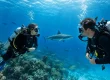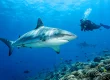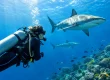
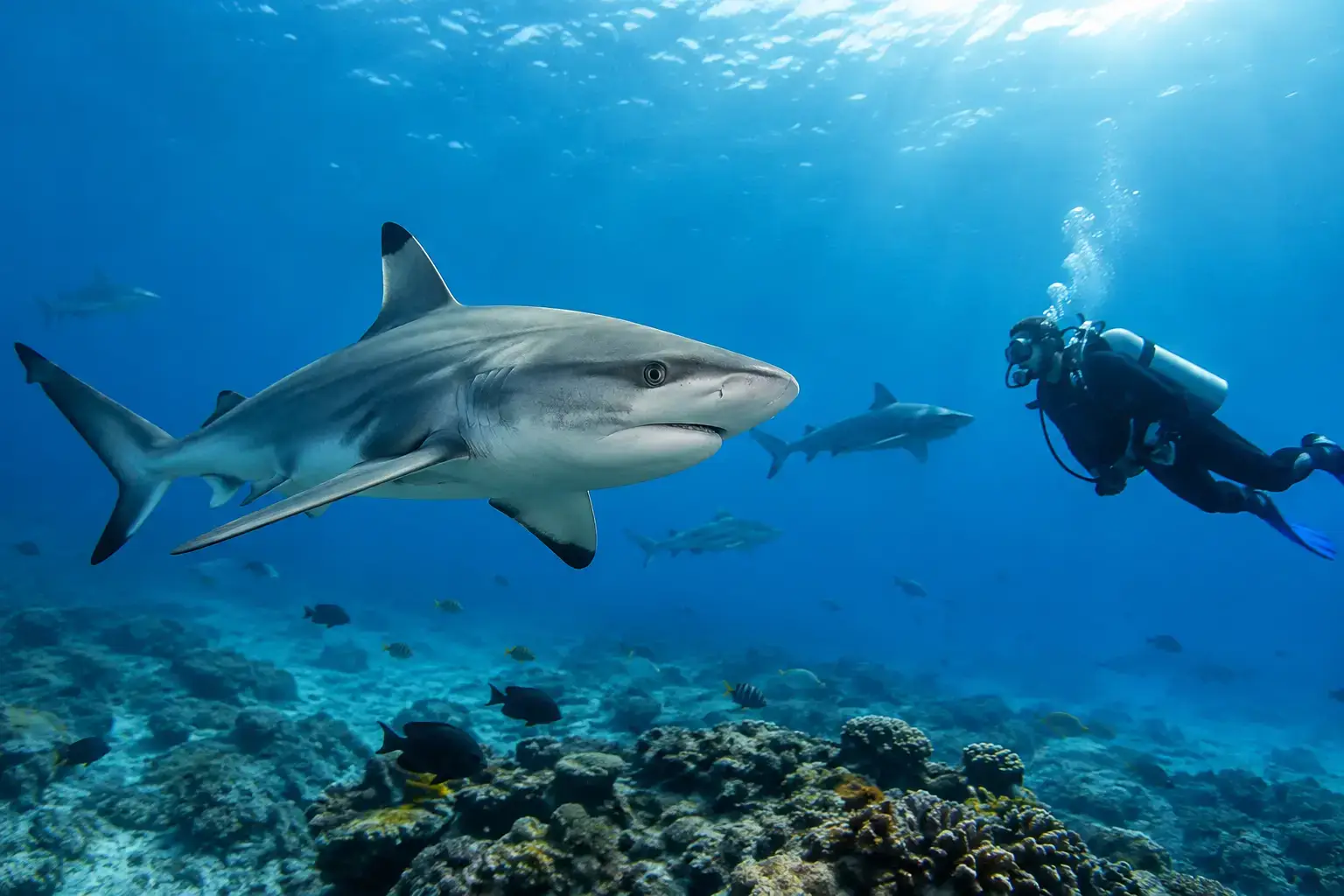
A bull shark crosses the blue at close range, unhurried and entirely in command of the water. Around you, the reef falls quiet except for the rhythm of your breathing. That is the appeal of Fiji’s signature shark encounter, and this Beqa Lagoon shark dive guide is designed to help you arrive prepared for it – not merely excited by it.
The experience at The Colosseum is powerful because it is structured. Divers witness several shark species in a controlled marine environment, guided by professionals who understand local conditions, shark behavior, positioning, and the responsibility that comes with bringing people close to apex predators. It is not a dive to rush through with a camera held out in front of you. It is an encounter that rewards composure, awareness, and respect.
What Makes a Beqa Lagoon Shark Dive Different
Beqa Lagoon is known globally for close encounters with large sharks, including bull sharks, nurse sharks, whitetip reef sharks, blacktip reef sharks, and, on occasion, tiger sharks. The exact species and activity on any given day cannot be guaranteed. Wildlife does not perform to a script, and that uncertainty is part of what keeps the experience authentic.
At The Colosseum, a private marine protected area, the dive is organized around clear safety procedures. Divers remain in designated positions while trained shark handlers manage the operation and guides monitor the group. This structure creates the conditions for remarkable observation without asking divers to interact with sharks or behave as though they are in a petting zoo.
The setting also matters. Pacific Harbour offers relatively direct access to renowned shark-diving grounds, allowing visitors to pair this headline experience with colorful reef dives, wreck exploration, training, or private marine adventures. For travelers building a Fiji itinerary around diving, that range can make the destination feel more complete than a single bucket-list descent.
Who Should Join This Beqa Lagoon Shark Dive?
The best candidate is a certified diver who is comfortable maintaining position, controlling buoyancy, and following instructions precisely. You do not need to be a technical diver or a veteran of hundreds of dives, but this is not the right place to test basic skills for the first time.
Many divers are surprised by how manageable the encounter feels once they are settled and properly briefed. The anticipation can be intense at the surface. Underwater, the routine becomes clear: stay low, stay aware, keep your equipment tidy, and let the sharks move through their environment without trying to direct the moment.
If you are newly certified, a refresher or a few guided reef dives beforehand may be the better choice. If you are not yet certified, completing professional training before planning a shark dive provides far more than a certification card. It builds the buoyancy, awareness, and confidence that allow you to enjoy the encounter instead of focusing on your own equipment.
For experienced divers, the question is less about qualification and more about mindset. A shark dive is not improved by bravado. Divers who listen carefully, move deliberately, and accept that marine life sets the terms usually get the strongest experience.
Skills to Practice Before You Go
Good buoyancy is the foundation. You may be positioned near the seafloor for an extended period, so practice descending without stirring up sediment, hovering calmly, and adjusting your position with small breaths rather than constant finning. Kicking hard or drifting into another diver can disrupt the group and distract you from the sharks.
Secure every piece of equipment. Streamlined hoses, clipped gauges, and a camera that you can manage one-handed reduce unnecessary movement. A dangling octopus or swinging console is never ideal, but it is especially unhelpful when the dive demands stillness.
It also helps to be comfortable with a direct, no-nonsense briefing. Guides may specify where you sit, how you enter and exit, what to do if a shark approaches closely, and when photography is appropriate. These instructions are not theater. They are part of a system designed to protect divers, crew, and animals alike.
Before the trip, be honest about your air consumption and recent diving history. A reputable operator can advise whether you need a refresher, a check dive, or a more gradual progression. Coral Coast Divers, an SSI 5 Star IDC Dive Resort and SSI Eco Dive Center, places that preparation within a broader approach to diver education and marine stewardship.
Conditions, Depth, and What the Day Feels Like
Conditions in Fiji vary with weather, tide, currents, and season. Visibility can be beautifully clear, but it can also be more muted after rain or changing water conditions. Lower visibility does not necessarily mean a poor shark dive. In some cases, the gradual appearance of a large shark through the water column is part of the intensity. Still, photographers often prefer clearer days, while divers who are primarily there for the encounter may care more about calm conditions and a well-managed operation.
Depth and bottom time depend on the site plan, your certification, and real-time conditions. Listen to the briefing rather than relying on a depth profile from a previous visitor. Your guide will account for the day’s conditions, group experience, and safe no-decompression limits.
Water temperature is generally comfortable for tropical diving, though your preferred exposure protection depends on how easily you get chilled and how many dives you are doing. A suit that feels warm enough on the first descent may feel different after a full day on the water. Ask your dive team for current recommendations rather than packing around assumptions.
Seasickness is another practical consideration. Even strong divers can be affected by boat motion. If you are prone to it, take your preferred preventative measures in advance, follow medical guidance, hydrate well, and avoid arriving dehydrated after a long flight or a late night. Feeling physically settled helps you stay focused underwater.
Shark-Dive Etiquette That Protects the Experience
The most useful rule is simple: observe, do not engage. Never reach toward a shark, block its path, chase it for a better angle, or attempt to touch it. Sharks should have clear space to move. When divers respect that space, the animals are more likely to behave naturally and the entire group has a better view.
Keep your eyes moving. Your assigned position is important, but so is awareness of the water around you. Watch your guide, nearby divers, and approaching animals without sudden head movements or frantic finning. If you need assistance, signal your guide according to the briefing rather than making an impulsive move.
Do not let adrenaline replace common sense. Large sharks deserve respect, but fear is not useful when it causes rushed breathing, poor buoyancy, or ignored instructions. Slow your breathing, stay with the plan, and remember that your guides are trained to read the environment continuously.
Camera Tips Without Missing the Moment
A shark dive can challenge even experienced underwater photographers. Large animals move quickly, light may be limited, and the most compelling scene often unfolds when you are looking through a viewfinder. Set up your camera before you descend and keep the controls simple enough to use without fuss.
A wide-angle lens is usually the practical choice for close subjects and the scale of the scene. Use a shutter speed fast enough to handle movement, and avoid firing a flash directly into an animal’s face. Depending on conditions and the operator’s guidance, ambient-light images can produce more natural results while reducing distraction.
Most importantly, take some time without the camera in front of your mask. The best memory may be the one you actually watched: the measured movement of a bull shark, the shifting formation of the group, or the sudden realization that the reef’s top predators are not movie monsters but essential animals in a living system.
Why Conservation Belongs in the Briefing
Shark tourism carries real responsibility. Done poorly, wildlife encounters can create stress, encourage careless behavior, and treat animals as disposable attractions. Done with strong protocols, education, and protected-area support, shark diving can give visitors a reason to value species that are frequently misunderstood and threatened.
Sharks help shape healthy marine ecosystems. Their role as predators influences the balance of reef life, and their presence can signal that an ecosystem still has important ecological function. Seeing a shark up close often changes the conversation from fear to curiosity, which is where meaningful conservation begins.
Choose an operator that can clearly explain its safety standards, guide experience, environmental practices, and relationship to the dive site. Ask how groups are managed, how diver behavior is controlled, and what conservation work the business supports. An excellent shark dive should leave you with spectacular images, certainly, but also a sharper understanding of why these animals need protection.
Bring calm buoyancy, an open mind, and respect for the briefing. The sharks will provide the unforgettable part.