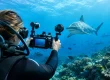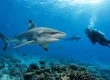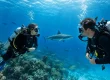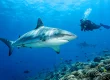
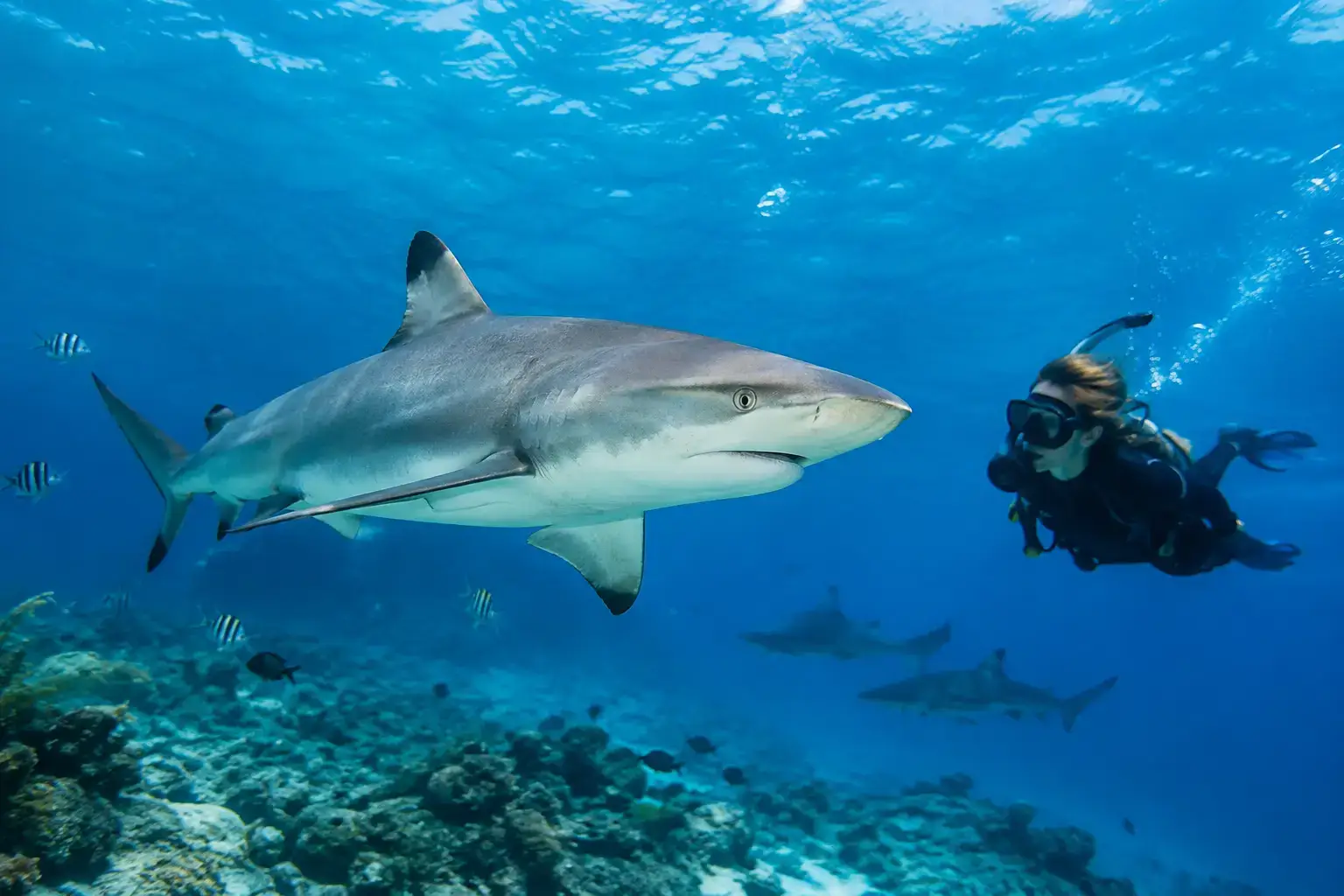
A bull shark moving calmly through clear water can change the way a diver sees the ocean in seconds. The moment is powerful because it is real: no glass, no stage, no safe distance created for appearances. But the future of shark ecotourism will not be decided by how close an encounter feels. It will be decided by whether those encounters leave shark populations, reef systems, and coastal communities stronger than before.
For travelers, that raises the standard. A memorable shark dive should deliver more than adrenaline and exceptional footage. It should be operated with disciplined safety procedures, informed by local conditions, and connected to measurable protection for the marine environment. The best experiences will make guests feel like visitors in a wild place, not consumers of a performance.
The Future of Shark Ecotourism Depends on Trust
Shark tourism has grown because people want a more honest relationship with the ocean. Divers travel across the world to see tiger sharks, bull sharks, reef sharks, hammerheads, and other species in their natural habitat. That demand can create an economic reason to protect animals that have too often been viewed only as threats or commodities.
There is a clear conservation case for well-managed tourism. When sharks generate sustained income through diving, photography, accommodation, local employment, and marine services, their value alive can become highly visible. Coastal communities, governments, and tourism operators have greater incentive to defend healthy habitat, support enforcement, and oppose practices that undermine the resource.
Still, tourism is not automatically conservation. A shark dive can carry real value, but only when visitor demand is matched by careful management. Unregulated operations, overcrowded sites, poor diver behavior, or misleading wildlife claims can damage public trust and put pressure on the very animals people came to admire.
The next era of shark ecotourism will reward operators that can show their work. Guests will increasingly ask how sites are protected, who sets the safety standards, what local communities gain, and whether conservation claims are supported by action rather than marketing language.
Better Encounters Are Not Always Closer Encounters
The most responsible shark dives are designed around animal behavior, site conditions, and diver capability. That may mean maintaining a defined viewing position, limiting the number of divers in the water, avoiding unnecessary movement, or changing plans when visibility, current, or shark activity makes an encounter less suitable.
For some travelers, this can feel like a trade-off. A carefully controlled briefing and a structured underwater position may seem less spontaneous than an open-water encounter. In practice, the structure often creates a better experience. Divers can focus on observing body language, social dynamics, and the wider ecosystem rather than trying to manage an unpredictable situation without guidance.
A professional shark dive team should explain why rules exist. Sharks communicate through posture, movement, spacing, and changes in direction. Divers who understand those cues are better prepared to remain calm, maintain awareness, and avoid behavior that could create stress for themselves or the animals.
This is also where training matters. A newly certified diver and an experienced underwater videographer may share the same interest in sharks, but they do not need the same level of preparation. Briefings, group size, dive profiles, and guide support should reflect the people in the water. Responsible operators do not promise the same conditions every day. They prepare guests for the conditions that nature provides.
Feeding Practices Require Honest Context
Discussions about shark ecotourism often focus on provisioning, or the use of food to encourage predictable shark activity. There is no single answer that applies to every destination, species, or operation. The ecological questions are complex, and meaningful research must consider local populations, natural feeding patterns, site history, and management controls.
What matters most is transparency and restraint. Operations using provisioning should have clearly defined procedures, experienced staff, controlled diver positions, and a serious commitment to monitoring. They should never imply that sharks are trained, tame, or available on demand. Wild animals remain wild, even at sites where encounters are reliably frequent.
Guests also deserve direct answers. Ask how an encounter is managed, what species are commonly seen, how staff respond to changing behavior, and whether the operation contributes to local research or marine protection. A credible team welcomes those questions.
Marine Protected Areas Need More Than a Boundary
Protected areas are central to the future of shark tourism, but a line on a map is only the beginning. Effective protection requires local support, rules that can be enforced, ongoing monitoring, and funding that reaches the people responsible for stewardship.
Private marine protected areas can play an important role when they are managed with clear ecological goals and connected to the surrounding community. They can create refuge for marine life, protect key reef habitat, and provide long-term locations for observation and education. Yet protection works best when it is not isolated. Sharks move across large areas, and their survival depends on healthy reefs, prey populations, migration routes, and policies beyond any one dive site.
This is why the strongest ecotourism models combine site-level care with broader participation. Dive teams can record sightings, contribute to identification databases, support reef restoration, reduce waste, and educate visitors. Community members can benefit through employment, boat operations, hospitality, guiding, and local conservation leadership. Travelers can choose experiences that keep more of their spending connected to the place they came to explore.
In Fiji, shark diving carries an added responsibility because the reefs and lagoons that make these encounters possible are part of living coastal systems, not scenery. A world-class dive should leave guests with a deeper respect for that relationship.
Data Will Shape the Next Generation of Shark Diving
Technology is making shark tourism more accountable. Photo identification, acoustic tagging, underwater video, eDNA sampling, and diver sighting logs can help scientists and operators understand where individual animals travel, how often they return, and how conditions change over time.
Citizen observation has limits. A diver’s report is not a complete scientific study, and a dramatic video clip cannot explain an entire population. But consistent records gathered over years can reveal useful patterns, especially when they are organized alongside professional research. Operators that collect data responsibly can turn everyday diving activity into a meaningful contribution to marine knowledge.
For guests, this creates a more engaging experience. Instead of leaving with only a highlight reel, divers can learn how to recognize an individual shark, understand why a species uses a particular habitat, or see how reef health influences predator abundance. That knowledge gives the encounter weight long after the flight home.
The same technology can improve operations. Digital checklists, weather monitoring, equipment maintenance records, and clear incident reporting help professional teams maintain high standards behind the scenes. Safety is not a single briefing before the boat departs. It is the result of systems that are practiced consistently.
What Responsible Travelers Should Look For
The future of shark ecotourism will be shaped as much by booking decisions as by operator decisions. Premium experiences should be judged by more than a promise of close encounters or a long species list. Look for a provider that explains its safety process, matches trips to diver experience, maintains equipment professionally, and gives conservation a visible place in daily operations.
Ask whether guides are trained to interpret shark behavior and whether the site has capacity limits. Find out how the operator handles waste, reef contact, and changing conditions. If you are not yet certified, choose a center that treats education as part of the experience rather than a quick transaction. Sound buoyancy skills, calm situational awareness, and respect for marine life are foundations for every rewarding shark encounter.
At Coral Coast Divers, the shark dive at The Colosseum is built around those principles: structured procedures, experienced supervision, and a private marine protected area where the encounter is connected to conservation stewardship. For guests, that means the thrill comes with context and professional care.
The Standard Worth Traveling For
Shark ecotourism does not need more exaggerated promises. It needs more operators willing to protect the conditions that make extraordinary encounters possible: healthy reefs, respected wildlife, capable guides, and communities with a genuine stake in conservation.
Choose the dive that leaves you awed by the sharks, better informed about the ocean, and confident that your visit helped keep this wild experience possible for the next person who descends into the blue.