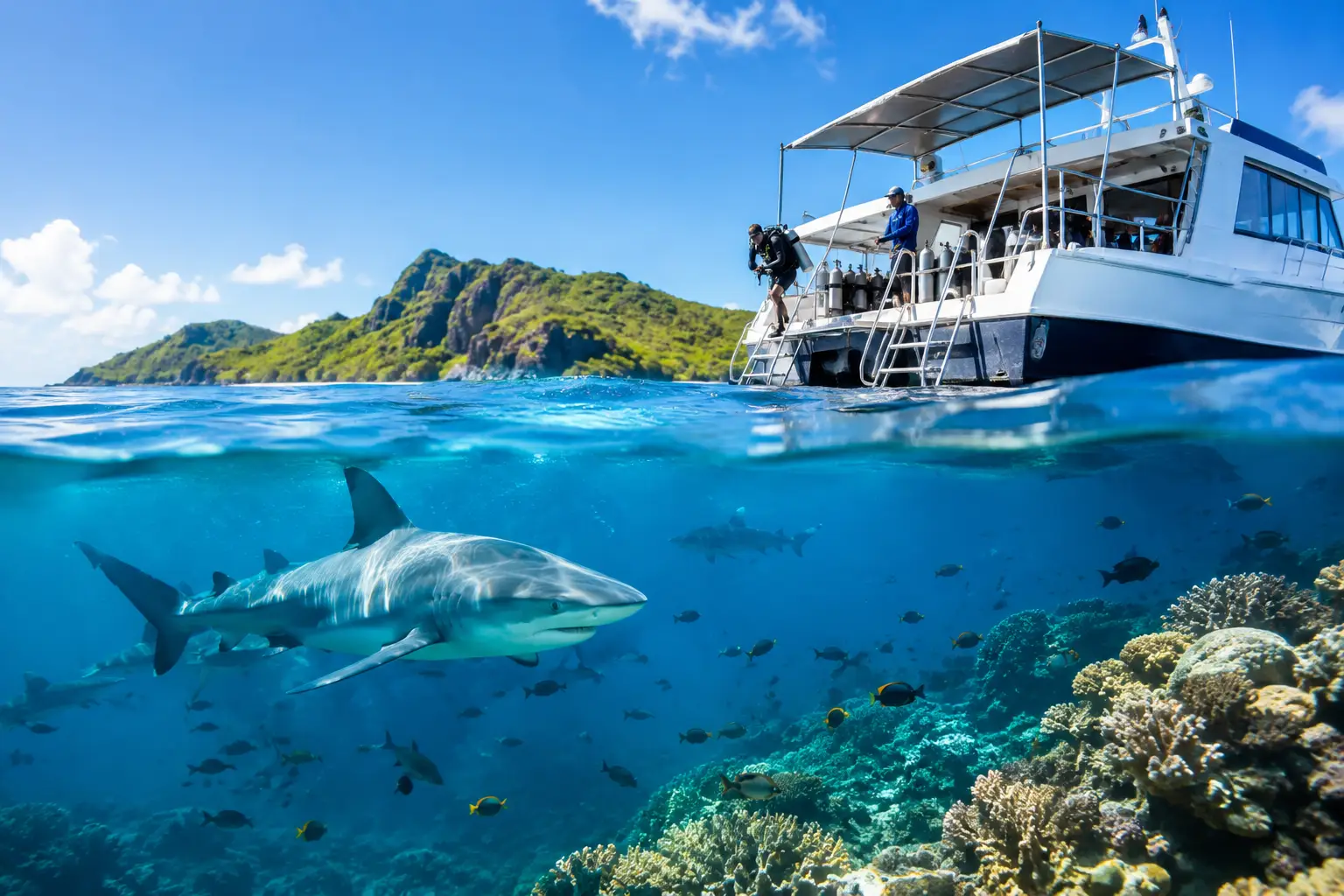
A Fiji dive day can look very different depending on one choice: guided dives or boat charters. One puts a professional in the water to shape the experience around conditions, marine life, and your comfort. The other gives your group greater control over timing, privacy, and the rhythm of the day. Neither is automatically better. The right choice depends on your certification level, the dive site, your goals, and how much responsibility you want to carry.
For travelers coming to Pacific Harbour for Beqa Lagoon reefs, wrecks, and signature shark encounters, that distinction matters. These are not environments where a generic excursion is the goal. They reward sound planning, capable boat operations, and respect for a marine ecosystem that is as powerful as it is beautiful.
Guided dives or boat charters: what is the real difference?
A guided dive is an underwater experience led by a qualified dive professional. The guide conducts the briefing, reviews site-specific procedures, assesses conditions, manages the group underwater, and helps divers get the most from the site without losing track of safety fundamentals. A guided trip may take place on a shared boat with other divers or as a private experience.
A boat charter is the vessel and crew arranged for your group, usually for a half-day, full-day, or custom itinerary. It can be a highly personalized option, but the level of underwater support varies. Some charters include a dedicated dive guide, tanks, equipment, refreshments, and site planning. Others are primarily transport and surface support, leaving divers with more responsibility for their own planning and execution.
That is why the best question is not simply, “Do I want a guide or a boat?” Ask what the charter includes. A private boat with an experienced guide can offer the strongest combination of flexibility, local knowledge, and attentive service. A charter without in-water leadership may suit a self-reliant, highly experienced buddy team, but it is not the right fit for every site or every visitor.
Why a guided dive can change the experience
Local knowledge is valuable anywhere, but it becomes essential at sites affected by currents, changing visibility, boat traffic, depth profiles, or specific wildlife protocols. A guide knows where the conditions tend to shift, how the site is best approached, and when a plan needs to change.
On a reef dive, that knowledge may mean finding a shy leaf scorpionfish, identifying the right section of coral for photography, or choosing a route that keeps the group comfortably within its planned depth and air limits. On a wreck, it may mean selecting the appropriate exterior route for your training and experience. On a shark dive, it means following an established operational system rather than treating a serious wildlife encounter like an unscripted thrill ride.
A good guide also removes unnecessary mental load. You still own your buoyancy, air management, buddy awareness, and certification limits. But you do not have to spend your first dive at an unfamiliar site deciding where the current is setting, which landmark leads back to the ascent point, or whether the conditions justify a change of plan.
For newer certified divers, divers returning after time away, underwater photographers, and travelers who have limited days in Fiji, guided diving is often the most rewarding choice. It gives you more capacity to observe, learn, and enjoy the underwater world.
Shark diving calls for structured guidance
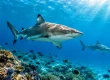
Shark diving deserves its own category because the experience is built on preparation. The appeal is immediate: being close to multiple shark species in clear tropical water is a true bucket-list moment. The standard behind that moment should be equally clear.
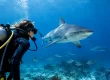
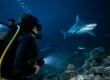
At The Colosseum, a private marine protected area in Beqa Lagoon, divers follow site procedures designed around positioning, behavior, awareness, and controlled group management. Professional guidance is not there to make the dive feel less adventurous. It is what allows the adventure to remain focused, predictable, and respectful of the animals.
A responsible shark dive operator will brief divers on entry and exit procedures, where to settle, how to use cameras without disrupting the group, and what behavior is expected around wildlife. Listen closely, stay where you are asked to stay, and avoid treating the animals as props. The most extraordinary encounters happen when divers are calm, observant, and part of a disciplined team.
When a boat charter is the better choice
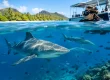
A private boat charter is ideal when your group has a clear purpose that does not fit a standard schedule. Perhaps you are traveling with family members who want to snorkel while certified divers explore deeper water. Perhaps you are a videographer who needs longer surface intervals and a site plan based on light, subject behavior, and camera setup. Or perhaps you want a quieter day with your own group, without the fixed timing of a shared departure.
Charters are also a strong option for experienced divers who want to combine several interests in one day: a reef dive, a wreck, a snorkeling stop, and time above water to enjoy Fiji’s coastline. The boat becomes a platform for a tailored marine adventure rather than a ride to a single site.
The trade-off is that customization requires clear communication before departure. Let the operator know each diver’s certification, recent dive history, preferred depths, equipment needs, and non-diving guests. A charter can only be truly personalized when the crew understands the group’s actual capabilities, not just its wish list.
Weather and sea conditions still set the final boundaries. A private charter gives you flexibility, not immunity from the ocean. The most professional crews will adjust the itinerary when wind, visibility, current, or surface conditions make the original plan less suitable.
Questions to ask before you book
Whether you choose a guided trip, a private charter, or a combination of both, clarify the operational details. Ask who will be in the water with you, how many divers are in each group, and whether the itinerary can be adjusted to your experience level. Confirm what equipment is included, how emergencies are managed, and what happens if conditions require a site change.
If shark diving is part of your plan, ask about the briefing process and site-specific rules. If you are bringing cameras, ask whether there are practical limits on gear handling, group positioning, or dive duration. Serious operators welcome these questions because informed divers make better dive partners.
It is also wise to be honest about your comfort level. There is no prize for overstating experience before a current-heavy dive or a deeper wreck profile. The best itinerary is not the most ambitious one on paper. It is the one that leaves you confident, engaged, and eager for the next descent.
Conservation belongs in the booking decision
The way a dive is run affects the places divers come to see. Small groups, careful anchoring practices, sound buoyancy standards, and wildlife-specific procedures all reduce unnecessary pressure on reefs and marine animals. Choosing an operator that invests in conservation turns a vacation activity into direct support for the environment.
At Coral Coast Divers, that commitment connects world-class shark encounters with coral restoration, marine education, and responsible tourism practices. The point is not to make a dive feel like a lecture. It is to ensure that the reefs, sharks, and coastal communities benefiting from marine protection remain central to the experience.
A chartered boat can support that same goal when it is planned responsibly. Request sites suited to your group rather than pushing for fragile areas beyond your ability. Maintain precise buoyancy, secure dangling equipment, and never touch coral or marine life for a photo. These habits are simple, but they carry real weight across thousands of visitor dives.
Choose the support that lets you be fully present
Choose guided diving when you want expert site leadership, deeper local insight, and structured support around unfamiliar or demanding conditions. Choose a boat charter when privacy, flexibility, and a custom pace matter most. For many travelers, the best answer is both: a private boat day led by a knowledgeable guide who can shape the adventure around the ocean and the people on board.
Bring your curiosity, your current certification, and an honest sense of your experience. Then let the day be guided by good judgment as much as adrenaline. Fiji’s most memorable underwater moments are rarely the ones you rush toward. They are the ones you are properly prepared to meet.