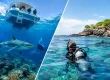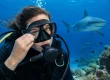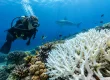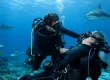
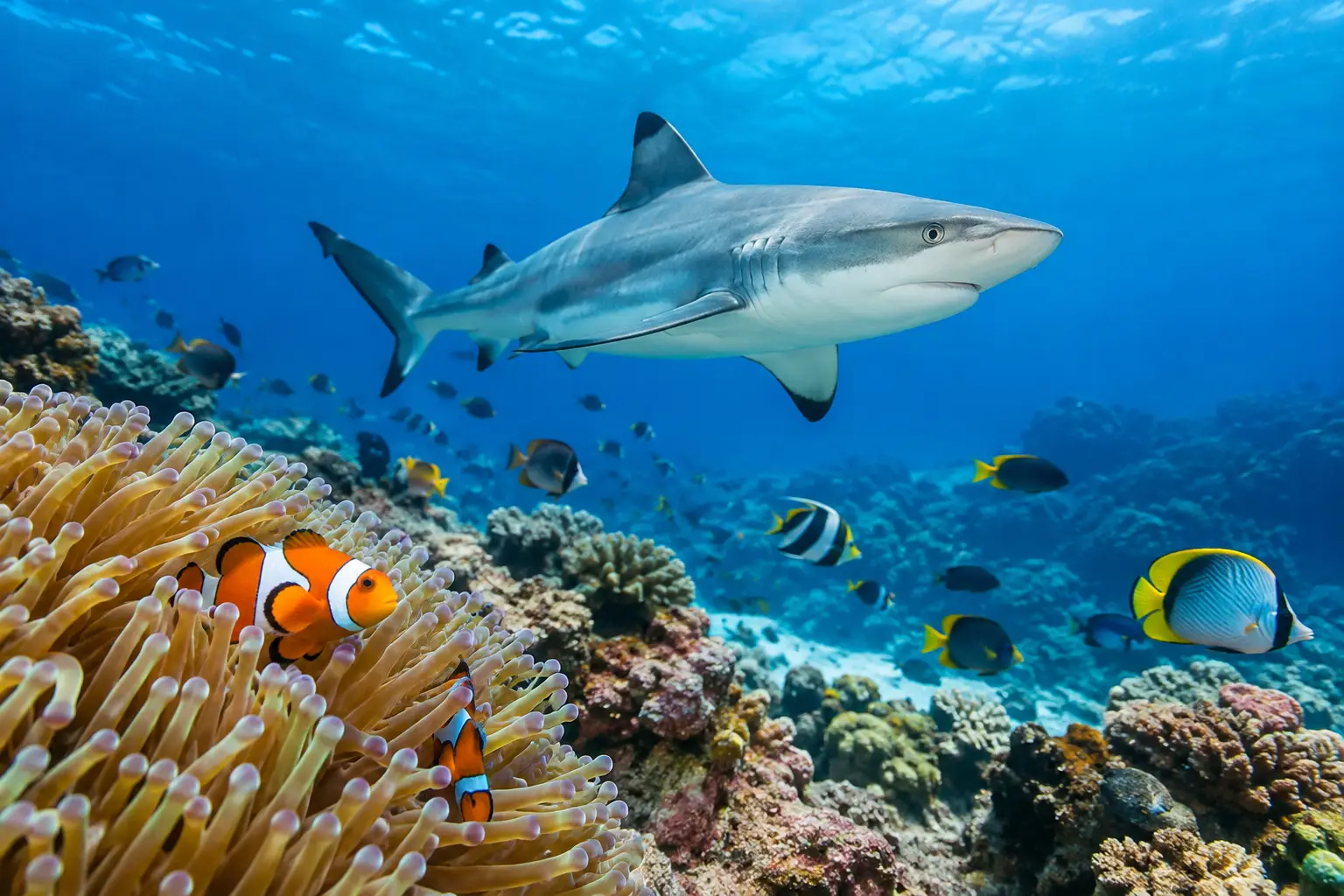
Fiji’s reefs do not reveal themselves all at once. A dive may begin with soft corals moving in the current, then shift suddenly as a school of jacks passes overhead or a shark emerges from the blue. The top marine life in Fiji is compelling because of that range: intimate macro subjects on the reef, large pelagic visitors in open water, and shark encounters that can redefine what a well-managed wildlife experience feels like.
For divers, the best sightings depend on location, conditions, season, and how quietly the group moves through the water. For snorkelers and new divers, Fiji still offers extraordinary encounters close to the surface and on protected reefs. The right guide helps turn a beautiful sighting into a safe, informed, and respectful one.
Top Marine Life in Fiji: The Encounters Worth Planning For
Sharks: Fiji’s defining underwater encounter
Sharks are at the center of Fiji’s international diving reputation, and for good reason. In the Beqa Lagoon area, divers can encounter powerful bull sharks in a controlled setting designed around established procedures, experienced leadership, and respect for animal behavior. Seeing a bull shark move with purpose through clear water is not a stunt. It is a reminder that healthy ocean ecosystems still contain their top predators.
At The Colosseum, a private marine protected area near Pacific Harbour, the experience is structured to provide close shark encounters without treating the animals as props. Depending on the day, divers may see several shark species, including bull sharks, nurse sharks, lemon sharks, whitetip reef sharks, blacktip reef sharks, and occasionally larger visitors such as tiger sharks. Every encounter is wildlife, not a guarantee, which is exactly why disciplined dive protocols matter.
Shark diving is best suited to certified divers who are comfortable maintaining position, following briefings precisely, and staying aware of changing conditions. It is also an excellent reason to choose an operator with clear standards, appropriate group management, and a genuine conservation ethic. Adrenaline has its place, but the lasting value comes from understanding the animals and leaving with more respect for them than you arrived with.
Manta rays: Grace in the blue
Manta rays are among the most sought-after animals in Fiji, particularly around cleaning stations and plankton-rich channels. Their wide wingspan, calm movement, and apparent curiosity create a completely different energy from a shark dive. A manta can sweep past silently, circle back, and vanish into the blue with no warning.
Manta sightings are seasonal and site-specific. Water movement, food availability, and local conditions all play a role, so travelers should avoid building an itinerary around an assumed encounter. When mantas are present, the best approach is patient and passive: stay low, give them room, and never pursue or touch them. A manta that chooses to come close is always the most memorable kind.
Sea turtles: Quiet reef companions
Green turtles and hawksbill turtles are regular favorites on many Fijian reefs. Their pace invites divers to slow down and observe the smaller details of the reef: the algae on a turtle’s shell, the fish sheltering nearby, or the careful rhythm of a turtle surfacing for air.
Hawksbills are especially important reef residents because their feeding habits are linked to reef balance. Green turtles may be seen grazing in seagrass areas or resting beneath ledges. As with any marine animal, distance matters. Let the turtle choose its path, and never block its route to the surface.
Reef fish: The color and movement of a living reef
Large animals may earn the headlines, but reef fish give Fiji its constant visual energy. Anthias flicker above coral heads. Parrotfish graze across the reef, helping manage algae growth. Butterflyfish travel in pairs, while surgeonfish, damselfish, wrasse, and triggerfish fill nearly every layer of the reef.
Look more closely and the reef becomes even more interesting. Clownfish defend their anemones with surprising confidence. Cleaner wrasse operate tiny service stations where larger fish pause to have parasites removed. Moray eels peer from crevices, and lionfish hold position with their fins spread wide.
These smaller species are especially rewarding for photographers, snorkelers, and new divers. They are also evidence of why coral protection matters. A reef is not simply a pretty backdrop. It is food, shelter, nursery habitat, and a complex network of relationships unfolding at every depth.
Schools of jacks, barracuda, and trevally
Fiji can deliver the kind of open-water action that makes experienced divers stop mid-fin kick. Bigeye trevally, jacks, and barracuda may form dense schools that shift shape with the current. Their movement is fast, coordinated, and intensely photogenic, particularly when sunlight breaks through from above.
These encounters are often influenced by current, which can be a benefit rather than a drawback for qualified divers. Current brings nutrients, nutrients support plankton, and plankton supports the food chain. The trade-off is that divers need sound buoyancy skills, reliable equipment, and the willingness to follow a guide’s plan rather than forcing a site to suit a preferred profile.
Soft corals and sea fans: Fiji’s living architecture
Fiji is widely celebrated for its soft corals, which can turn reef walls and bommies into gardens of pink, orange, red, purple, and gold. When the current is moving, soft coral polyps extend to feed, creating the full, colorful look many divers associate with the islands.
Sea fans, whip corals, sponges, and hard coral formations add structure to the scene. They also shelter juvenile fish, crustaceans, nudibranchs, and other small marine life that can be easy to overlook. Divers with a wide-angle lens may focus on the scale and color. Macro photographers may spend an entire dive searching for a tiny shrimp, pygmy creature, or nudibranch on the same reef.
How to See Fiji’s Marine Life Responsibly
The quality of a wildlife encounter is not measured by how close you get. It is measured by whether the animal can behave naturally while you observe it. Good buoyancy is the foundation. It prevents accidental coral contact, reduces sediment disturbance, and keeps divers from drifting into an animal’s space.
On shark dives, follow every briefing, remain in the designated position, and keep hands and equipment close to your body. On reefs, avoid holding coral or resting on the bottom. Around turtles and mantas, do not chase, surround, touch, or cut off their travel route. Underwater flash photography may be appropriate in some settings, but it should never override animal welfare or your awareness of the group.
Choosing a conservation-minded operation also has a direct impact. Coral restoration, marine education, local stewardship, and support for protected areas are not extras added to a vacation. They are practical ways the diving community can protect the ecosystems that make Fiji exceptional. Coral Coast Divers integrates shark behavior knowledge, safety-led diving, and conservation work because remarkable encounters depend on healthy reefs and respected wildlife.
Matching the Experience to Your Dive Level
New divers do not need to wait years for meaningful marine life encounters. Protected reef dives, guided introductory experiences, and SSI training can introduce the skills needed to explore Fiji with confidence. Calm, shallow sites often provide excellent fish life, coral detail, and turtle opportunities while allowing divers to focus on breathing, buoyancy, and comfort.
Experienced divers can pursue more demanding profiles, including current-influenced reefs, deeper walls, wrecks, and shark-focused excursions. The right choice depends on certification, recent dive experience, comfort level, and daily conditions. A responsible team will recommend the site that fits your ability, even when the most famous site is not the best option for that particular day.
Bring a sense of curiosity, not a checklist mentality. Fiji’s ocean rewards the diver who notices the small movements on the reef as readily as the silhouette of a shark in the blue. That attention is where a great dive becomes a personal connection to the sea.