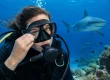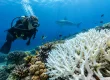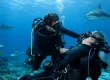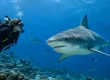
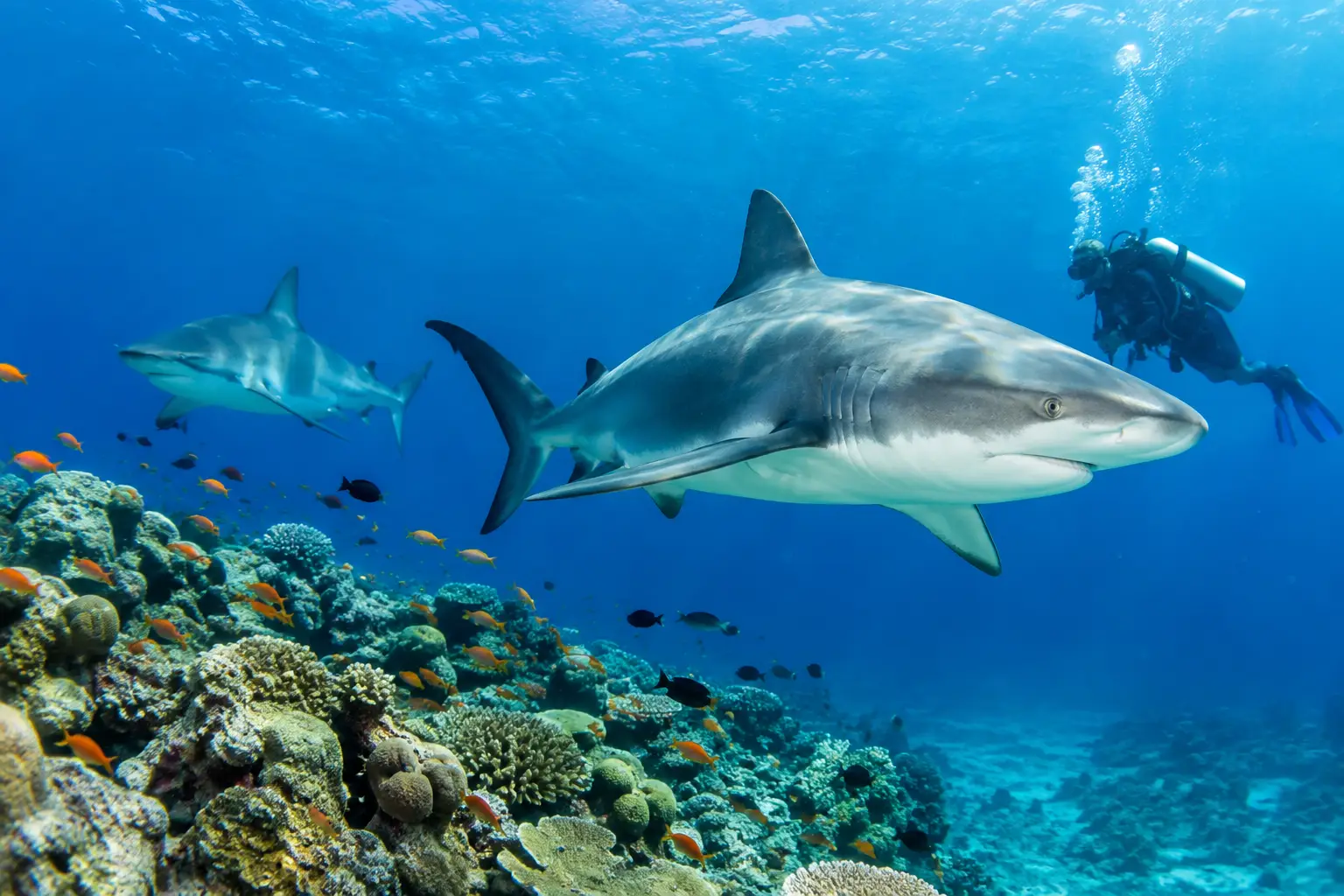
A close pass from a bull shark can be the image that brings a traveler to Fiji. What turns that moment into a truly exceptional experience is everything around it: disciplined briefings, skilled guides, thoughtful site management, and a clear benefit for the ocean. The most significant shark tourism trends are moving the industry toward exactly that kind of encounter – more intentional, more informed, and more accountable.
For divers, this is good news. Shark travel is no longer defined only by the chance to see an impressive animal. Increasingly, travelers want to understand the species in front of them, know how an operator manages risk, and see tangible evidence that their visit supports healthy marine ecosystems. For destinations with world-class shark encounters, that shift raises the standard in the best possible way.
Shark Tourism Trends Are Raising Expectations
The strongest trend is not simply that more people want to dive with sharks. It is that travelers are becoming more selective about how they do it. Experienced divers, underwater photographers, and first-time adventure travelers alike are asking better questions before they book. They want to know group size, guide qualifications, emergency procedures, site protocols, and whether the operation contributes to conservation beyond marketing language.
That change favors operators that treat shark diving as a professional marine experience rather than a spectacle. A memorable encounter should feel exciting, but it should never feel uncontrolled. Sharks are powerful, intelligent wild animals. The confidence divers feel underwater comes from structure: a detailed pre-dive briefing, clear positioning, close guide supervision, and a team that understands local animal behavior.
For travelers comparing shark destinations, safety standards now carry as much weight as species lists. Seeing bull sharks, tiger sharks, nurse sharks, lemon sharks, silvertip sharks, or reef sharks can be a powerful draw. Yet the best choice depends on a diver’s comfort level, experience, and goals. A photographer may prioritize predictable positioning and time on the bottom. A newer certified diver may value a smaller group and extra attention from the guide team. Neither approach is better, but both require an operator willing to plan the experience around the guest rather than rush everyone through the same program.
Smaller Groups, More Meaningful Encounters
Premium small-group diving is becoming a defining part of shark travel. This is partly practical: fewer divers are easier to brief, monitor, and position responsibly. It is also experiential. In a crowded setting, divers can become focused on finding space, watching other people, or competing for a camera angle. In a well-managed small group, attention stays where it belongs – on the animals, the environment, and the instructions that keep the dive calm.
Smaller groups also allow guides to respond to conditions. Visibility, current, animal movement, and diver confidence can all change the character of a shark dive. A professional team does not force the same outcome every day. It reads the conditions and adjusts accordingly.
That flexibility matters in Fiji, where dynamic reefs and rich waters support remarkable marine life but still demand sound judgment. The goal is not to manufacture a wildlife encounter. It is to create the best possible conditions for a respectful, well-supervised experience.
Conservation Is Becoming Part of the Booking Decision
A growing number of shark divers want their travel dollars to have a direct conservation value. That expectation is reshaping what credible shark tourism looks like. Conservation-led operators are investing in protected sites, supporting research, sharing marine education, reducing environmental impacts, and involving guests in practical stewardship.
The distinction is meaningful. Seeing sharks can build a powerful emotional connection, but tourism only becomes conservation-positive when it helps protect the habitat and species that make the encounter possible. Marine protected areas, responsible waste management, reef restoration, local employment, and science partnerships all contribute to the long-term health of a destination.
For guests, the most useful question is simple: what happens after the dive boat leaves? An operator should be able to explain how it protects the sites it visits and how its practices reduce pressure on the ecosystem. The answer will vary by destination. Some programs may focus on coral planting or reef monitoring. Others may support shark behavior research, local conservation organizations, or protection of a specific dive site. What matters is that the commitment is active, specific, and connected to daily operations.
At Coral Coast Divers, shark encounters at The Colosseum take place within a private marine protected area, pairing high-energy diving with structured site stewardship. That model reflects where premium marine tourism is heading: extraordinary access balanced by responsibility for the place that makes it possible.
Education Turns Excitement Into Respect
Shark diving is also becoming more educational. Guests increasingly want context, not just footage. They want to recognize a shark’s body language, understand why a species is present at a particular site, and learn how sharks contribute to reef and ocean ecosystems.
This education begins before entry. A quality briefing should cover site conditions, hand signals, positioning, camera awareness, and expected animal behavior. It should also address what divers should not do: chase animals, reach toward them, block their path, or separate from the group. These guidelines are not meant to reduce the thrill. They make the experience safer and often create better viewing opportunities because the group behaves in a calm, predictable way.
Underwater, good guides help divers observe rather than interfere. A shark changing direction, swimming lower in the water column, or increasing distance from a group is communicating something. Learning to notice those signals turns an encounter from a passive attraction into a deeper wildlife experience.
Photography Is Influencing How Shark Dives Are Designed
Underwater imaging has made shark tourism more visible than ever. A single compelling video can inspire a future trip, reshape public perception, or introduce someone to a species they had only encountered through sensational headlines. But cameras can also create pressure underwater when divers become overly focused on getting closer.
The most responsible photography trend is better planning, not more aggressive shooting. Divers should choose equipment they can manage comfortably, listen to guide direction, and prioritize their buoyancy over the shot. A dramatic wide-angle image is never worth drifting out of position or disrupting another diver’s view.
For professional videographers and serious photographers, private experiences or smaller guided groups can be especially valuable. They offer more time to work thoughtfully, more room to position safely, and a better chance of capturing natural behavior. Conditions still matter, of course. Visibility, current, light, and wildlife movement cannot be guaranteed. The strongest operators are transparent about that reality while doing everything possible to prepare guests for success.
Training Is Part of the Premium Experience
Another important shift is the link between shark tourism and diver education. Travelers are no longer treating certification as a box to check before vacation. Many see it as the start of a more capable, confident relationship with the ocean.
For aspiring divers, SSI training provides a practical route toward shark experiences through strong foundational skills: buoyancy control, situational awareness, communication, and calm problem-solving. For certified divers, refresher programs, continuing education, freediving instruction, and guided practice can sharpen the skills that make demanding marine environments more enjoyable.
There is no universal minimum experience level for every shark encounter because sites, conditions, and dive profiles differ. A responsible operator assesses readiness honestly. Sometimes that means recommending a refresher dive, additional training, or a different excursion before a signature shark experience. That is not a compromise. It is how exceptional operators protect both the guest and the animals.
What Smart Shark Travelers Should Look For
The next generation of shark travel will reward guests who book with care. Look beyond dramatic images and ask whether the experience is built on clear standards. A credible operation should communicate its training credentials, guide procedures, group approach, conservation work, and expectations for diver conduct without hesitation.
It is also wise to match the trip to your own priorities. If you want a bucket-list encounter with expert supervision, choose a team with a proven shark-diving process. If you are traveling with a non-diving partner, look for a destination that also offers snorkeling, reef exploration, and meaningful marine education. If your goal is to return with polished images, plan for a schedule that gives you enough time to adapt to weather and conditions.
The finest shark dives do more than deliver adrenaline. They leave divers more skilled, more curious, and more invested in protecting the ocean. That is a travel trend worth following – and a standard worth expecting every time you enter the water.