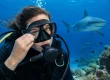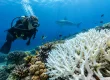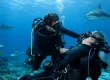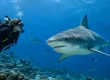
Your first moments underwater can be unforgettable for the right reasons: a calm descent, a reef coming into focus, and the realization that you are breathing comfortably beneath the surface. But do beginners need private dive guides to get there? Not always. A well-run small-group dive or SSI training course can be an excellent beginning. A private guide becomes valuable when individualized attention will make you safer, more comfortable, or more able to enjoy the experience.
The best choice depends on your experience, confidence in the water, goals for the trip, and the conditions you expect to dive. It is not about whether a private experience is more prestigious. It is about choosing the level of support that helps you become a capable, aware diver while respecting the ocean around you.
What a Private Dive Guide Actually Does
A private dive guide is not simply someone who points out reef fish or carries extra equipment. With a beginner, an experienced guide provides focused supervision before, during, and after the dive. They can help you organize your gear, check weighting and trim, review hand signals, set a pace that feels manageable, and keep the plan suited to your comfort level.
Underwater, that attention matters. New divers often use more air, need more time to equalize, or become preoccupied with a mask that feels slightly uncomfortable. In a private setting, your guide can slow the descent, address a small issue early, and keep the dive from feeling rushed. You also have more opportunity to ask questions about buoyancy, reef etiquette, marine life, and the decisions behind the dive plan.
A guide is still not a substitute for proper instruction. If you are not certified, you need an appropriate introductory experience or a recognized training program led by an instructor. If you are certified but rusty, a refresher may be a smarter first step than booking a challenging dive with private support. Personal attention works best alongside clear standards, not in place of them.
Do Beginners Need Private Dive Guides? It Depends
Many beginners do well in a small group when the operator maintains conservative ratios, conducts thorough briefings, and groups divers by skill and experience. This can be social, cost-effective, and reassuring. Seeing other new divers work through the same learning curve can also reduce pressure.
Private guiding is especially worth considering if you are anxious about your first open-water dives, traveling with a partner who has a very different experience level, or returning after a long break. It can also be a strong choice for guests who learn best through direct coaching rather than keeping pace with a group. A patient guide can make the day feel more like a guided introduction to the underwater world than a test you have to pass.
There are trade-offs. Private service usually costs more, and it should not create the expectation that a guide will manage every aspect of the dive forever. The goal is not dependence. The goal is to establish calm habits: checking your own equipment, monitoring air and depth, maintaining buddy awareness, and communicating early when something does not feel right.
When Private Attention Is a Smart Investment
A private guide can make a meaningful difference when comfort is the limiting factor, not willingness. Consider one if you have had a difficult pool session, feel uneasy with ear equalization, are concerned about motion sickness, or know that unfamiliar equipment can overwhelm you. The same applies if you want extra time with underwater photography basics, fish identification, or buoyancy practice.
It is also useful for travelers who have a narrow window for diving. If you are visiting Fiji for only a few days, personalized planning can help match conditions and sites to your current level rather than placing you on a generic schedule. That does not mean every site will be appropriate. A professional operation will be honest about weather, currents, visibility, depth, and certification requirements, even when you are eager to see a particular location.
Safety Comes From Systems, Not Just One Person
The presence of a private guide can add reassurance, but safe diving is built through systems. That begins with a thorough health and experience questionnaire, suitable training, well-maintained equipment, a realistic site selection, and a complete briefing. It continues with proper buddy procedures, conservative depth and time limits, and the confidence to end or skip a dive when conditions are not right.
For a new diver, the most valuable guide is one who explains the why behind each decision. Why are we waiting at the surface before descending? Why are we keeping a respectful distance from coral? Why is your buoyancy more than a comfort issue? Those explanations turn a vacation activity into sound diving judgment.
At Coral Coast Divers, beginner experiences are approached with that same balance of adventure and operational clarity. Fiji’s reefs can be remarkably welcoming, but they remain living environments shaped by tide, weather, current, and marine activity. Professional guidance helps new divers experience that energy without treating the ocean like a controlled attraction.
A Private Guide Does Not Mean You Should Start Anywhere
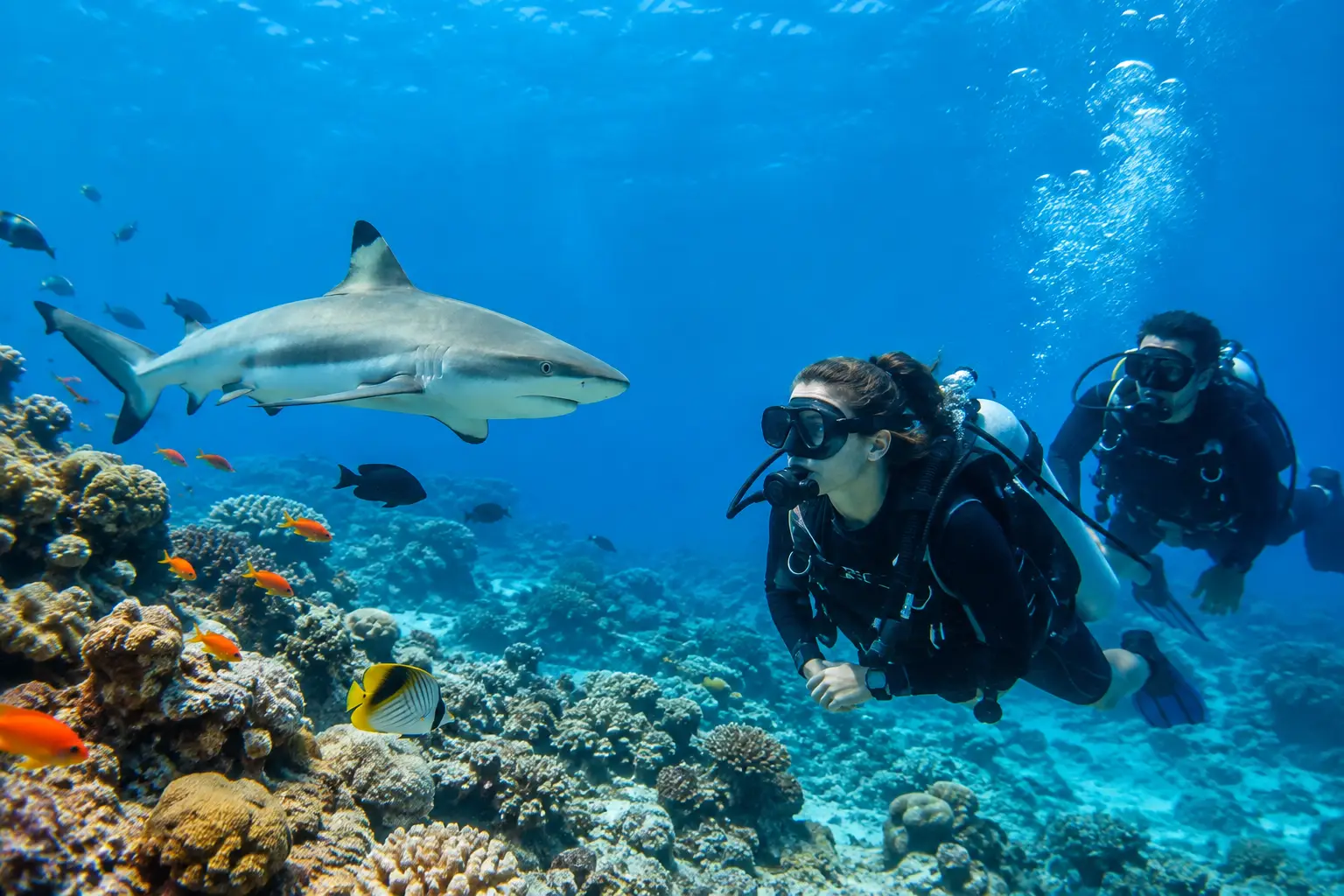
Beginners sometimes assume a private guide makes every dive site available. It does not. Some sites demand advanced buoyancy, stronger situational awareness, or specific certification and experience. This is particularly relevant around larger marine life and shark-focused dives, where disciplined positioning, briefing compliance, and calm behavior are non-negotiable.
That should not discourage aspiring divers from having ambitious goals. It gives those goals a meaningful path. Start on appropriate reefs, build comfort with entries and descents, practice neutral buoyancy, and learn how to observe marine animals without chasing, touching, or crowding them. Each successful dive creates the foundation for more advanced adventures later.
The best operators protect both guests and the marine environment by matching the diver to the site, rather than bending the site to fit the booking. This is conservation in practical form. A diver with good control is less likely to damage coral, disturb wildlife, or panic in a changing current.
How to Decide Before You Book
Ask yourself a few honest questions. Are you comfortable swimming and breathing through a regulator? Have you recently practiced your skills? Do you want focused coaching, or are you happy joining a small group? Are you traveling with someone whose pace differs from yours? Your answers are more useful than a label like “beginner.”
Then ask the dive center how it assesses experience and assigns guides. Find out the maximum group size, whether a private guide is dedicated only to you or your party, what the backup plan is if conditions change, and whether a refresher is recommended. A quality operator will welcome these questions. Clear answers are part of the service.
If you are choosing between a private guide and another day of diving, think about where the added support will have the greatest effect. For many first-time visitors, one private or semi-private orientation dive followed by small-group dives is an excellent middle ground. You gain personalized coaching early, then use your growing confidence in a shared setting.
The Right First Dive Feels Challenging in a Good Way
A great beginner dive should leave you excited, not exhausted by stress. You may feel the healthy focus that comes with learning new skills, but you should never feel pushed beyond your training, comfort, or the conditions. Private guiding can create the breathing room to learn at your own pace, especially in a destination as rich with marine life as Pacific Harbour.
Choose the level of support that lets you pay attention to the reef, your buddy, and your own developing skills. The most memorable first dives are not defined by how far you were pushed. They are defined by the moment the ocean starts to feel like a place you know how to move through with confidence and respect.