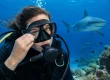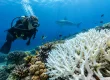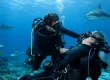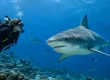
The first breath underwater can be a remarkable moment: your bubbles rise toward the surface, the reef comes into focus, and the noise of the boat disappears. But if you cannot swim, that moment should begin with an honest assessment, not a promise that scuba equipment will do all the work for you.
Can non swimmers scuba dive? In some cases, a non-swimmer may be able to take a closely supervised introductory scuba experience. But becoming a certified diver – and joining more advanced ocean adventures – requires water skills, confidence, and the ability to respond calmly when conditions change. The right path depends on what you mean by “non-swimmer,” your comfort in water, and the type of diving you hope to do.
What “Non-Swimmer” Can Mean
People use the term differently. Some mean they cannot swim a full pool length but are comfortable floating, putting their face in the water, and using a mask. Others feel anxious in water deeper than they can stand in, or have never worn fins and a snorkel. Those are very different starting points.
Scuba is not simply walking underwater with a tank. Divers must manage buoyancy, breathe steadily through a regulator, communicate with hand signals, and maintain awareness of their buddy, guide, depth, and surroundings. In open water, they also need to handle an unexpected current, a mask that needs clearing, or a brief change in position away from a line or boat.
That does not mean you need to be a competitive swimmer. It means you need enough practical water ability to be safe and comfortable. Strong swimming technique is helpful, but calm water confidence is often the more meaningful first goal.
Can Non Swimmers Scuba Dive on an Introductory Experience?
A discover scuba session can be a suitable first step for some adults who are not confident swimmers. It is not a shortcut to certification, and it should never be treated as one. Under the direct supervision of a qualified instructor, introductory participants begin in shallow, controlled water and practice essential skills before any limited open-water portion is considered.
A responsible instructor will assess more than whether you can move through the water. They will watch how you react when your face is submerged, whether you can breathe calmly through a regulator, and whether you can follow directions without becoming overwhelmed. If those foundations are not there that day, the correct outcome is to stop, spend more time building comfort, and try again later.
Equipment provides flotation at the surface and controlled buoyancy underwater, but it does not replace competence. A buoyancy control device is not a life jacket for an untrained diver, and a guide cannot make every decision for a guest. The safest operators set clear limits because a memorable first experience should feel exciting, not pressured.
Certification Requires Real Water Skills
If your goal is an SSI Open Water Diver certification, plan to develop swimming ability as part of the journey. Certification includes water-fitness evaluations, plus confined-water and open-water skills that show you can manage yourself in the water. SSI requirements can be updated, and training centers apply standards carefully, so confirm the current details before booking.
Traditionally, water-fitness components include a timed swim or snorkel swim and a survival float or tread. These are not tests designed to embarrass beginners. They help establish that you can stay composed and functional in water without relying entirely on another person.
There is a practical reason for this. Even on a calm tropical reef dive, a diver may need to wait at the surface, swim a short distance to a boat, or maintain position while an instructor assists someone else. Certification signals that you have the skills to participate more independently with a buddy. It is a safety commitment to yourself, your dive partner, and the professionals responsible for the group.
Start With Water Confidence, Not a Tank
For many aspiring divers, the best first investment is a few swimming or water-confidence lessons before a scuba course. Focus on relaxed breathing, floating on your back and front, kicking with fins, and moving through deep water without panic. You do not need elegant freestyle technique. You do need to feel capable when your feet cannot touch the bottom.
Snorkeling can also be an excellent bridge to scuba. It introduces the mask, snorkel, fins, and the simple discipline of slowing down in the water. Practice in a pool or protected lagoon with an experienced instructor rather than pushing straight into waves, current, or deep water.
Give yourself time. A traveler who starts lessons several weeks or months before a Fiji vacation is likely to enjoy a much better first scuba experience than someone trying to conquer a lifelong fear on the morning of a boat trip. There is no prize for rushing. The ocean will still be there when you are ready.
Why Ocean Conditions Change the Answer
A shallow, sheltered training area and an offshore dive site are not interchangeable. Visibility, currents, surface chop, entry methods, and boat traffic all affect the level of skill required. Even warm, clear water can become demanding when wind or current picks up.
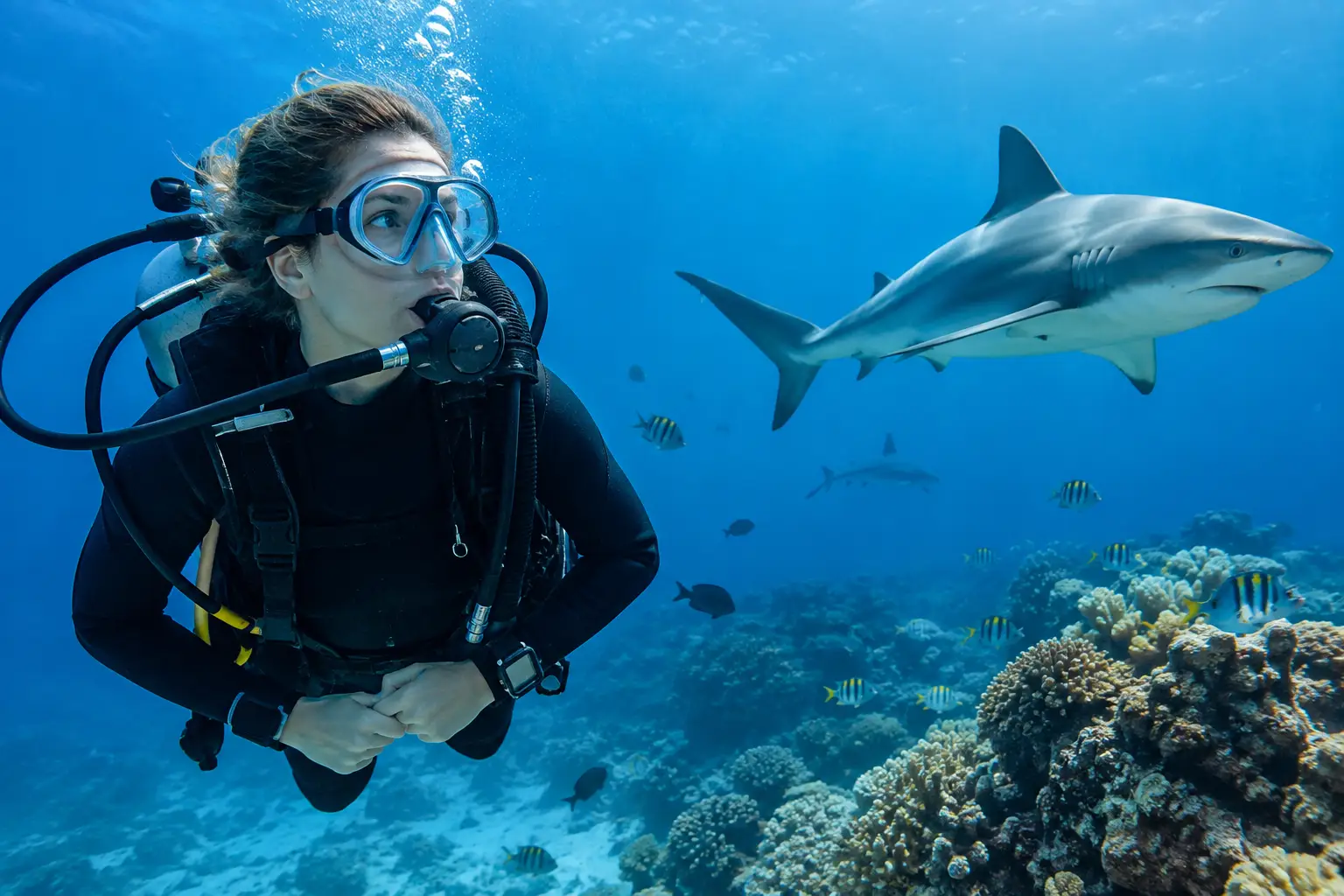
This matters especially for travelers drawn to Fiji’s dramatic reef systems and shark encounters. These are world-class experiences, but they are not the place to test whether you can tolerate having your face underwater. Signature shark dives are generally for properly certified divers with the relevant experience and comfort level. The rules protect guests, guides, and the animals that make the encounter so extraordinary.
At Coral Coast Divers, professional instruction and operational judgment are part of the experience. A good dive center will ask about your background, explain the available options plainly, and recommend a route that matches your actual ability rather than your ambitions for the trip. That conversation is a sign of quality, not a barrier to adventure.
Skills That Matter More Than Speed
Swimming fast is rarely the point in recreational scuba. The more valuable abilities are calm breathing, stable buoyancy, situational awareness, and a willingness to call off a dive when something does not feel right. A person who swims slowly but remains composed and follows training can become a very capable diver.
Before considering an introductory program, ask yourself a few practical questions. Can you comfortably float in deep water? Can you put your face in the water without holding your breath? Can you listen to instructions and repeat a skill until it feels natural? Are you willing to postpone an ocean dive if an instructor says the conditions or your comfort level are not right?
If the answer is not yet, that is useful information. Swimming instruction, snorkeling practice, or a gradual pool-based introduction may be the safest and most rewarding next move.
Medical Readiness Matters Too
Swimming ability is only one part of dive readiness. Scuba places the body under pressure, so divers should complete the required medical questionnaire honestly. Conditions involving the heart, lungs, ears, medications, recent surgery, or anxiety may require clearance from a physician familiar with dive medicine.
Do not hide a concern because you do not want to miss an excursion. A professional team would rather help you find a suitable alternative – such as snorkeling or a surface-based marine experience – than put you in a situation that is not appropriate. Fiji’s reefs are no less spectacular from the surface, and snorkeling can be a genuine highlight rather than a consolation prize.
The Best Route to Your First Dive
If you are a non-swimmer who wants to explore beneath the surface, begin with an honest conversation with a qualified dive professional. Be specific about your experience, your fears, and your goals. Ask whether a confined-water session, private instruction, or an introductory program is appropriate, and accept that the answer may be “not yet.”
Building water confidence is not stepping away from the adventure. It is how you earn the freedom to enjoy it fully – from your first quiet reef encounter to the day you are ready for bigger blue-water experiences.