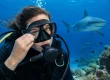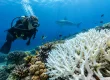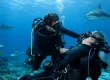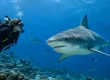
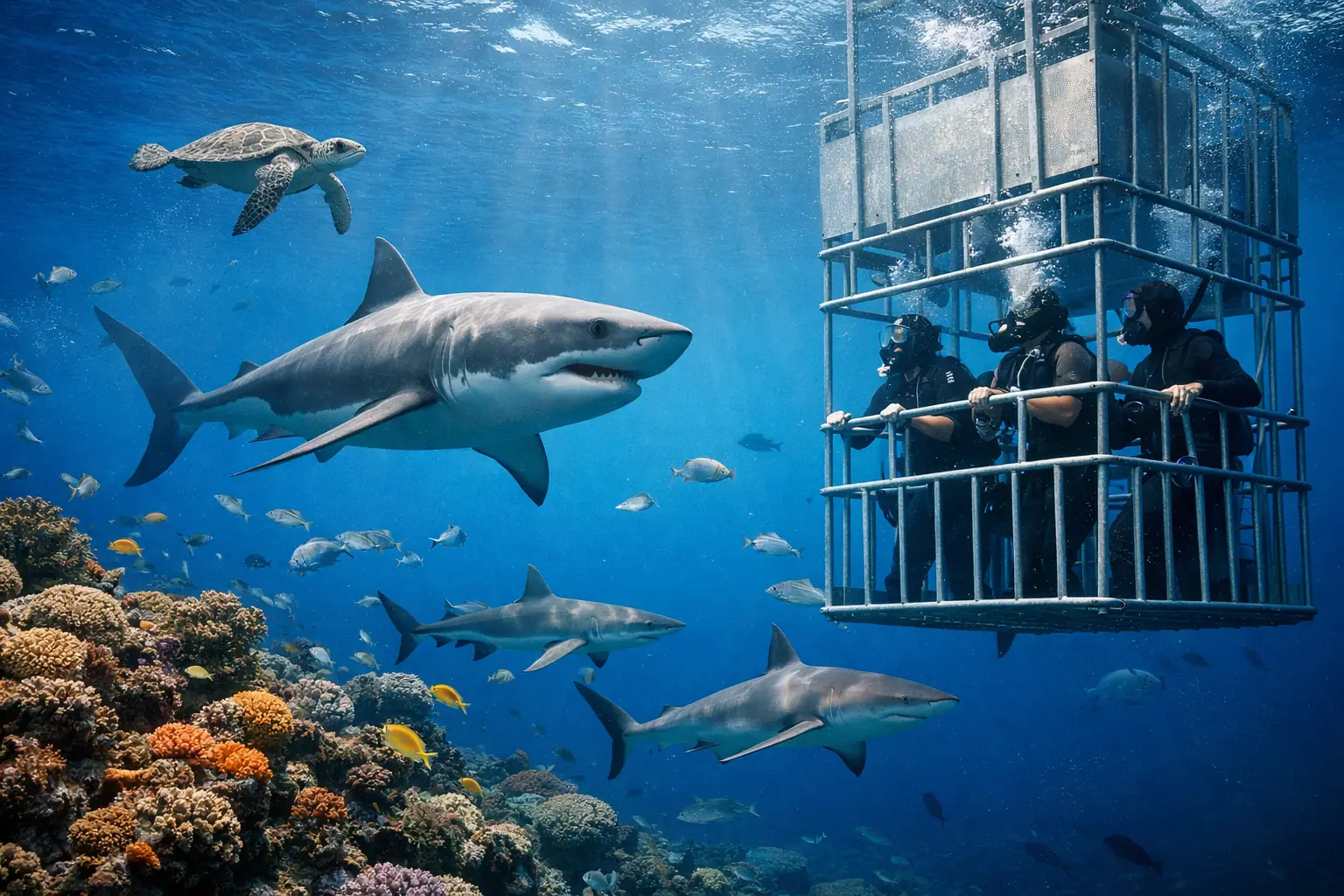
A tiger shark moves through blue water with an unhurried confidence that changes the mood of an entire dive. For most people, seeing one at close range is not merely an adrenaline moment. It is a rare chance to understand an animal that has been reduced too often to headlines. Done well, shark tourism turns that moment into respect, supports local livelihoods, and gives marine protection a practical reason to endure.
But the word “tourism” does not automatically mean conservation. A shark encounter can be carefully managed, science-informed, and beneficial to a marine area. It can also be crowded, poorly supervised, or built around practices that place animals and guests under unnecessary pressure. The difference matters to divers, to coastal communities, and to the future of the species people travel so far to see.
Why Shark Tourism Has Real Conservation Value
Sharks are often more valuable alive than dead in destinations where visitors return year after year for the chance to observe them. That economic value can strengthen the case for protected areas, better enforcement, and community-led stewardship. It also creates work for local boat crews, dive professionals, hospitality teams, marine educators, and researchers.
The effect is not automatic, and it is not identical at every destination. A well-known shark site may generate meaningful income while a nearby reef sees little benefit. Conservation claims need to be backed by thoughtful operations, local participation, and a clear connection between visitor revenue and protection on the water.
The educational value is equally significant. A diver who watches a reef shark move calmly along a wall or sees a bull shark assessed by experienced professionals gains a more accurate picture of shark behavior than any dramatic clip can provide. Sharks are not mindless villains, nor are they props. They are highly adapted predators with important ecological roles, and their presence often signals a marine environment worth protecting.
What Responsible Shark Tourism Looks Like
A credible shark dive begins long before the boat leaves the dock. Operators should set clear entry requirements, assess conditions, maintain equipment, brief guests thoroughly, and use guides who understand both shark behavior and diver management. Close encounters are never an excuse to relax standards.
At a managed site, guides establish where divers enter, descend, settle, and exit. They explain body position, awareness, buoyancy, camera etiquette, and what to do if a shark approaches closely. The goal is not to control a wild animal. It is to organize people so their behavior is calm, predictable, and respectful.
For large-shark encounters, experience matters. Divers should expect structured positioning, clear hand signals, closely monitored group sizes, and professionals who can read changes in animal movement or environmental conditions. A responsible operation may delay, modify, or cancel a dive when conditions do not support a safe experience. That decision is a sign of discipline, not disappointment.
Responsible practices also extend beyond the briefing. Good operators avoid touching, chasing, blocking, or provoking sharks for photos. They protect the reef during entries and exits, minimize unnecessary waste, and keep their boats and equipment maintained to reduce impacts on the marine environment. The best encounters feel exciting because the animals are wild, not because the rules have been ignored.
Feeding and the Need for Honest Context
Some shark-diving destinations use managed feeding practices; others do not. This is an area that deserves more nuance than a simple label of good or bad. The ecological effects can vary by species, location, frequency, food source, and the standards used to manage the interaction.
Where feeding is part of an operation, the protocol should be highly controlled, led only by trained professionals, and paired with strict guest positioning. Operators should be able to explain their approach plainly, including how they reduce risk, monitor behavior, and contribute to research or conservation efforts. Guests should never be asked to hand-feed a shark or improvise around wildlife.
The right question is not whether an experience produces dramatic images. Ask whether it is run with a long-term view of the animals, the habitat, and the people in the water.
Choosing a Shark Dive That Matches Your Experience
Not every shark encounter requires the same skill level. Snorkeling with smaller reef sharks in clear, shallow water can be appropriate for confident swimmers under professional supervision. A deep site with current, limited bottom time, or large shark activity is a different undertaking altogether.
Certified divers should be honest about recent experience, buoyancy control, and comfort in open water. If it has been a year since your last dive, a refresher before a premium shark experience is a smart investment. It helps you enjoy the encounter rather than focus on basic tasks underwater.
New divers do not need to rule out Fiji or shark-focused travel. They should choose a program that builds skills in the right order: introductory experiences or certification first, then progressively more demanding dives as comfort and competence grow. Professional training creates more freedom underwater, especially when there is so much to observe.
At Coral Coast Divers in Pacific Harbour, Fiji, the signature shark experience at The Colosseum is operated within a private marine protected area, combining close encounters with structured procedures and a conservation-first mindset. For guests, that means an experience built around professional guidance rather than a rushed wildlife spectacle.
Questions Worth Asking Before You Book
A quality operator welcomes informed questions. Ask about certification requirements, group size, guide-to-guest ratios, typical conditions, and the exact safety procedures used at the site. If feeding is involved, ask how it is managed and who conducts it. You can also ask how the business supports habitat protection, research, coral restoration, or local marine education.
Pay attention to the answers. Specific explanations usually indicate established systems. Vague promises of a “guaranteed thrill” or a willingness to overlook certification limits should make you cautious. Wild animals and ocean conditions cannot be guaranteed, but preparation, professionalism, and honest communication can be.
Your Role Underwater Matters
Even a well-run operation depends on guests following the plan. Listen closely to the briefing, stay with your group, and resist the urge to drift out of position for a closer camera angle. A calm diver is safer and more likely to have a better encounter.
Neutral buoyancy protects more than coral. It keeps your movements measured and helps avoid accidental contact with other divers or the seafloor. Keep fins clear of the reef, secure dangling gauges and accessories, and use a streamlined camera setup you can manage comfortably.
Shark body language deserves attention. Smooth, purposeful movement is often simply normal behavior. Rapid changes in direction, exaggerated posturing, or increasingly agitated movement are reasons to become still, maintain awareness, and follow your guide’s direction. Do not make sudden gestures, attempt to touch an animal, or position yourself in its path.
Photography should come second to situational awareness. The most powerful shark images are often made by divers who remain patient, hold a respectful position, and let the animal choose its distance. A single composed frame is worth more than a rushed sequence that disrupts the site.
From Bucket-List Encounter to Lasting Impact
The strongest shark tourism experiences do not end when you climb back aboard the boat. They create curiosity about fishing pressure, marine protected areas, coral health, and the work required to keep a reef alive. They also remind travelers that conservation is not a distant concept. It is shaped by where we spend our money, what standards we expect, and which operators earn our trust.
A memorable shark dive should leave you with more than a story about being close to something powerful. It should leave you more attentive to the ocean that supports it, and more willing to protect the wild places that made the encounter possible.