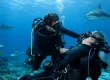

A guide to SSI Stress Rescue is not about turning every diver into a hero. It is about learning to spot the small changes that often come before a problem: a buddy breathing harder than usual, a diver who cannot settle at the surface, or a team that has lost track of its plan. In the ocean, calm decisions are built long before an emergency begins.
For divers drawn to Fiji’s currents, dramatic reef walls, wrecks, and powerful shark encounters, those skills matter. The best rescue diver is usually the one who prevents a situation from escalating at all. SSI Stress & Rescue training develops that awareness through realistic practice, structured responses, and a stronger understanding of what makes divers stressed underwater and at the surface.
What SSI Stress & Rescue Teaches
The course is designed to move you beyond managing your own dive. You learn to assess a buddy, recognize stress, respond to common problems, and coordinate assistance without creating a second emergency. That shift changes how you approach every dive, whether you are exploring a shallow coral garden or preparing for a deeper, more demanding profile.
Stress can look obvious, such as rapid breathing, frantic movement, or a diver fighting to stay afloat. It can also be quiet. A diver may become unusually silent during a briefing, repeatedly adjust equipment, descend reluctantly, or fixate on one minor issue. The course helps you read these signals in context rather than assuming every discomfort is an emergency.
Training commonly focuses on prevention, self-rescue, assisting tired or panicked divers, responding to equipment problems, underwater interventions, surfacing an unresponsive diver, and providing care at the surface. You also practice emergency planning and learn why clear communication with your buddy, boat crew, and dive professional can make a critical difference.
The point is not to memorize a dramatic sequence. A rescue response must adapt to conditions, available support, the diver’s condition, and the environment. A controlled response in calm water may need to look very different in current, surface chop, or a remote dive location.
Why Prevention Is the Most Valuable Rescue Skill
Most dive incidents do not begin with a single catastrophic event. They develop through smaller pressures: poor hydration, anxiety, an unfamiliar setup, an overambitious plan, strong current, fatigue, or the simple reluctance to call a dive. Rescue training teaches divers to identify those pressures before they stack up.
A good pre-dive check becomes more meaningful after this course. Instead of only confirming that a tank is open and a weight system is secure, you begin asking practical questions. Is your buddy comfortable with the entry? Have you both agreed on turn pressure and separation procedures? Is the dive plan appropriate for everyone’s recent experience? Does anyone need more time before entering the water?
This mindset is particularly valuable on destination dive travel. A long flight, heat, jet lag, unfamiliar gear, and excitement about a bucket-list dive can affect judgment. There is no prize for pushing through discomfort. A skilled diver recognizes when to adjust the plan, sit out a dive, or choose an easier site. That decision protects both the individual and the whole team.
Stress Is Not Failure
Even experienced divers can feel stress. Cold water, reduced visibility, a mask flood, current, or a close wildlife encounter can cause a moment of overload. What matters is how quickly the diver recognizes it and returns to a controlled response.
SSI Stress & Rescue training creates room to practice those moments without embarrassment. You learn that stopping, signaling, breathing deliberately, and solving one issue at a time are signs of good judgment. The course also reinforces an essential truth: asking for help early is far safer than hiding a problem until it becomes urgent.
What the Training Experience Feels Like
Expect active, hands-on learning rather than a course spent only in a classroom. Academic materials establish the why behind stress recognition and emergency response. Then practical sessions give you the opportunity to apply those concepts in controlled scenarios.
You may work through situations involving a tired diver at the surface, a missing buddy, a diver showing signs of panic, or an unresponsive diver requiring assistance. These exercises can be physically demanding. Towing a diver, maintaining airway control at the surface, managing equipment, and communicating with a team require energy and focus.
That challenge is purposeful. Rescue skills need to function when you are busy, tired, and managing several tasks at once. Strong instruction builds complexity gradually, so you can understand the sequence before pressure is added. You should leave the course feeling more prepared, not falsely invincible.
Course prerequisites and completion requirements can vary based on current SSI standards, your prior certifications, and your training center’s schedule. Before booking, confirm the required academic preparation, medical and fitness considerations, and whether an emergency first-response qualification is needed or included in your training path.
Preparing for SSI Stress & Rescue
Your best preparation starts before the first session. Arrive rested, hydrated, and honest about your recent diving experience. If you have not been in the water for a while, a refresher or skills review can make the rescue course more productive and less stressful.
Bring equipment that fits correctly and that you understand well. Rescue training is not the ideal time to troubleshoot a completely unfamiliar BCD, computer, or weighting system. If you are using rental equipment, take time before the dive to learn its releases, inflation controls, and configuration. In an emergency scenario, familiarity saves time.
It also helps to refresh core skills: buoyancy control, mask clearing, regulator recovery, safe ascents, buddy communication, and controlled surface procedures. Rescue training builds on these fundamentals. The more automatic they feel, the more attention you can give to assessing and assisting another diver.
Physical fitness deserves an honest look as well. You do not need to be an elite athlete, but the course can involve sustained surface effort and repeated drills. If you have medical concerns or a change in health, speak with an appropriate medical professional and your dive instructor before entering the water.
Rescue Training and Responsible Shark Diving
Rescue training is valuable for any diver, but it carries special weight for those pursuing advanced marine experiences. At Coral Coast Divers, disciplined procedures are central to diving safely around Fiji’s remarkable reefs and sharks. Calm buoyancy, careful positioning, awareness of your surroundings, and the ability to follow a briefing are not just personal skills. They support the safety of the entire group and reduce unnecessary disturbance to marine life.
A rescue course does not qualify a diver to handle wildlife, improvise around sharks, or disregard site-specific protocols. In fact, it teaches the opposite. Strong divers respect the plan, remain observant, and understand that professional leadership and established procedures exist for a reason.
That discipline connects naturally to conservation. A diver who controls their buoyancy is less likely to damage coral. A buddy team that communicates well is less likely to become separated or create confusion around sensitive habitats. Better skills create more considerate encounters, allowing the reef and its animals to remain the focus of the experience.
Is SSI Stress & Rescue Right for You?
This course is an excellent next step for certified divers who want greater confidence, more situational awareness, and a deeper role within a buddy team. It can be especially rewarding for frequent travelers, divers moving toward more challenging conditions, future dive professionals, underwater photographers, and anyone who wants to become the person others trust in a difficult moment.
It is also a course that benefits divers who feel nervous. If your concern comes from wanting to understand what can go wrong and how to respond, structured rescue training can replace vague anxiety with practical competence. However, if foundational skills still feel uncertain, it may be wiser to build comfort through additional supervised diving first. The right sequence depends on your experience and confidence, not on rushing toward the next certification card.
The lasting value of SSI Stress & Rescue appears after the course is over. You start noticing the details: a poorly secured fin strap, a buddy who needs a slower descent, a changing current, or a dive plan that no longer fits conditions. Those observations may never become a rescue scenario, and that is exactly the goal. Every problem prevented leaves more room for what brought you underwater in the first place: extraordinary marine life, capable dive partners, and the confidence to experience the ocean with respect.