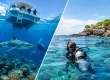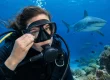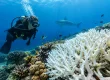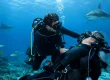
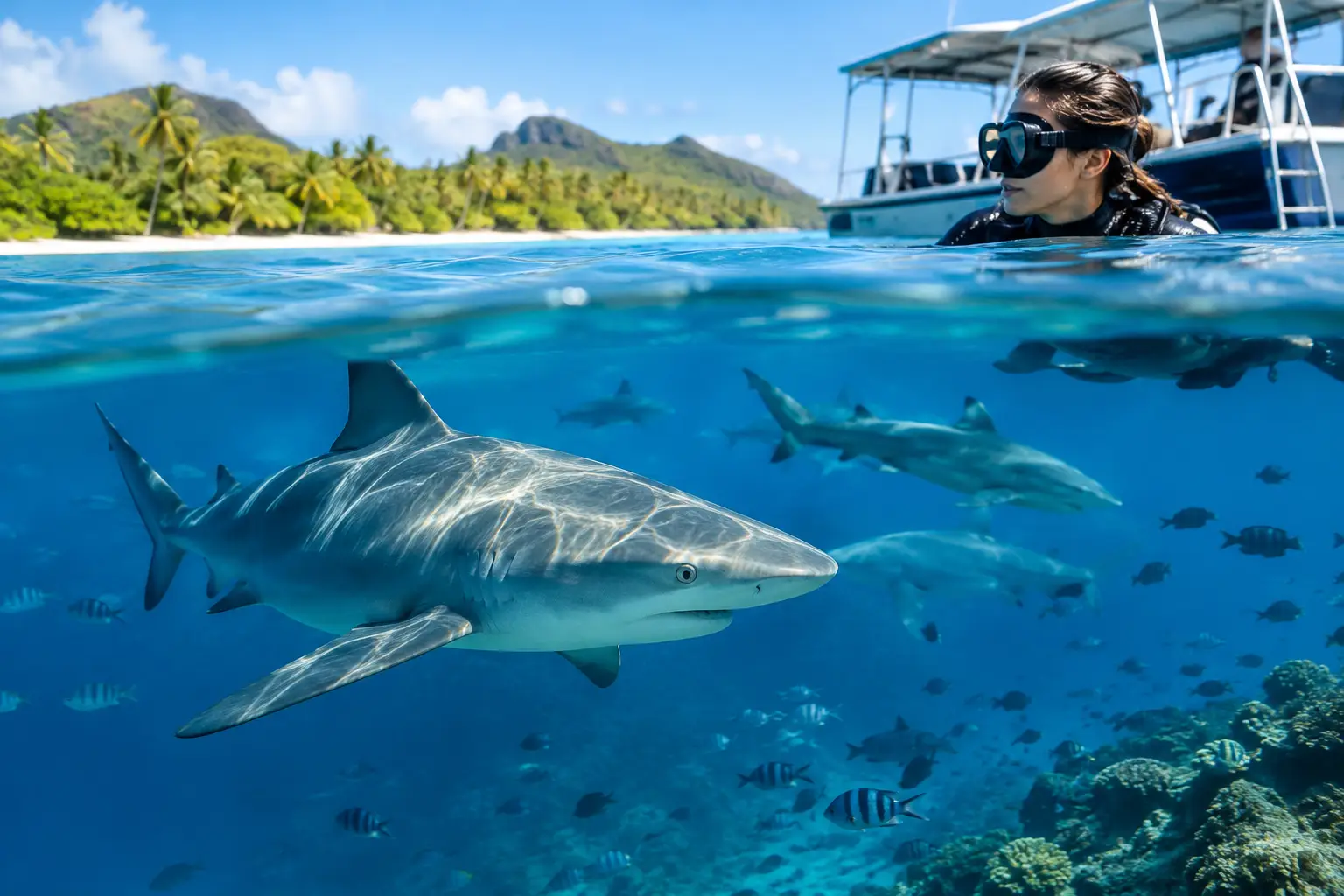
A shark dive belongs at the top of a travel plan, not at the bottom of a medical bill. Before boarding a boat for a close encounter with bull sharks, reef sharks, and the living reefs of Fiji, take time for a proper shark dive insurance comparison. The right policy can support you through a dive-related emergency, a delayed international flight, or a lost bag containing essential gear. The wrong one may look reassuring until you read the exclusions.
Shark diving is conducted with structured procedures, experienced guides, and clear briefings. At the same time, it is still scuba diving in an overseas destination. Your insurance should reflect that reality: depth, repetitive dives, remote access to treatment, and travel logistics all deserve attention.
What a Shark Dive Insurance Comparison Should Cover
The first question is not whether a plan says it covers scuba diving. It is whether it covers the kind of diving you are actually doing. General travel insurance can include medical coverage but exclude scuba outright, limit it to shallow recreational diving, or require that the diver holds a certification appropriate to the activity.
For a Fiji shark diving trip, look for clear coverage of recreational scuba diving at your planned depth. Read the policy wording rather than relying on a sales page or a broad statement such as “adventure sports included.” If the policy has a depth limit, confirm that it accommodates your itinerary and your certification. If you are planning multiple days in the water, check whether the wording treats repetitive diving differently.
Medical expenses should be the foundation of the policy. A minor illness can interrupt a trip, but decompression illness, pulmonary barotrauma, or an injury sustained while traveling to a dive site can require specialist care and expensive transport. Your plan should provide meaningful emergency medical benefits outside your home country, not just a small add-on amount.
Just as critical is emergency evacuation. In an island destination, care may involve transport from a boat or resort, movement to a suitable medical facility, and coordination with dive medicine professionals. A policy should spell out emergency evacuation and repatriation benefits, with a high enough limit for a serious event. Ask whether evacuation decisions are coordinated through a 24-hour assistance team and whether the insurer pays providers directly when possible.
Recompression Chamber Treatment Is Not a Detail
Divers should specifically verify coverage for hyperbaric or recompression chamber treatment. Do not assume that “emergency medical” automatically means every dive-related treatment is covered without restrictions. Some policies exclude diving accidents, impose a low medical cap, or require you to follow procedures that are difficult to meet in an emergency.
A strong policy should also recognize treatment recommended by qualified medical professionals. Keep in mind that no insurance product replaces conservative dive planning, a proper pre-dive health assessment, or the decision to sit out a dive when you are unwell, dehydrated, exhausted, or congested. Insurance is the backup plan. Good diving judgment is still the first line of protection.
Compare Policies by Scenario, Not by Premium
The cheapest premium is rarely the useful comparison point. Instead, picture what could change before and during your trip. Your flight from the United States could be delayed long enough to miss a connection. Your checked bag could arrive after your first dives. Severe weather may alter the schedule. An illness at home may force you to cancel before departure.
Compare how each policy responds to those scenarios. Trip cancellation coverage matters when you have prepaid a meaningful portion of an international dive holiday. Check covered reasons carefully. A policy may cover an unexpected medical event but not a change of mind, a work conflict, or a concern about weather that does not meet the insurer’s definition of a covered disruption.
Trip interruption is different. It can help if a covered event forces you to leave after the trip has started. Review whether it covers unused, nonrefundable arrangements and the cost of reasonable transportation home. For divers, this is particularly relevant if a medical professional advises against further diving or air travel.
Delay coverage can be valuable, but it often has a waiting period and requires receipts. If a delayed flight affects your dive schedule, a policy may reimburse eligible lodging, meals, or transport expenses. It generally will not guarantee that a missed dive can be recreated on the exact day you planned. Marine conditions, conservation protocols, and the safe operation of a diving schedule always come first.
Gear Coverage Has Limits
Cameras, housings, dive computers, and regulators can represent a significant investment. Yet baggage coverage often has per-item limits that are far lower than the replacement cost of specialized underwater equipment. A policy may also exclude items left unattended, damage caused by water, or equipment used professionally.
If you travel with high-value camera equipment or technical dive gear, examine both the total baggage limit and the individual item cap. Existing homeowners, renters, or specialist equipment policies may provide different protection. Document serial numbers and take photographs before departure. This is practical preparation, not pessimism.
Questions to Ask Before You Buy
A useful shark dive insurance comparison comes down to the answers an insurer can give in writing. Ask whether recreational shark diving is covered when conducted with a professional operator, whether your planned maximum depth is within the policy terms, and whether chamber treatment is included for a diving-related illness.
Also ask whether your current certification level affects eligibility. An insurer may cover a certified diver within their training limits but deny a claim involving activity beyond those limits. If you are completing an SSI course or taking an introductory experience, verify that supervised training dives are included. Never represent your experience or planned activities inaccurately on an application.
Confirm the process for an emergency. Is there a 24-hour emergency assistance number? Must you call before receiving non-life-threatening treatment? What documentation will be needed after a dive incident? The ideal time to learn these details is at home, with reliable internet and no pressure.
Finally, assess pre-existing medical condition language carefully. Definitions vary widely. A waiver may be available, but often only if insurance is purchased soon after the first trip payment and other requirements are met. If you have a medical history relevant to diving, speak with a dive medicine physician before travel and disclose information accurately to your insurer.
Match Coverage to Your Fiji Dive Plan
A short resort stay with one or two easy reef dives does not carry the same insurance considerations as a dedicated week of shark dives, wreck exploration, photography, and training. Build coverage around your actual itinerary, including the days you will not be underwater. International flights, land transfers, accommodation, and non-dive excursions all create potential costs when plans change.
For premium shark experiences in Pacific Harbour, divers should also factor in the value of professional operations. A responsible operator will provide detailed briefings, maintain equipment standards, assess conditions, and set rules that protect divers and sharks alike. Those measures reduce avoidable risk, but they do not remove the need for personal travel and dive coverage.
At Coral Coast Divers, the focus is on structured, informed encounters that respect the animals and the marine protected environment. Arriving prepared allows you to focus on what matters: steady buoyancy, attentive listening, and the remarkable privilege of observing sharks in their ocean home.
A Better Way to Make the Final Choice
Choose the policy that clearly covers your diving profile, offers substantial emergency medical and evacuation benefits, and has terms you can explain back to yourself without guesswork. Save the certificate, policy wording, emergency contact details, dive certification card, and a record of any relevant medical information in both digital and accessible offline form.
Then let the insurance stay where it belongs – in the background. The best preparation gives you the freedom to descend with confidence, follow your guide’s direction, and experience Fiji’s sharks with the respect they deserve.