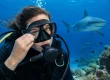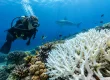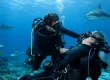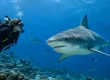
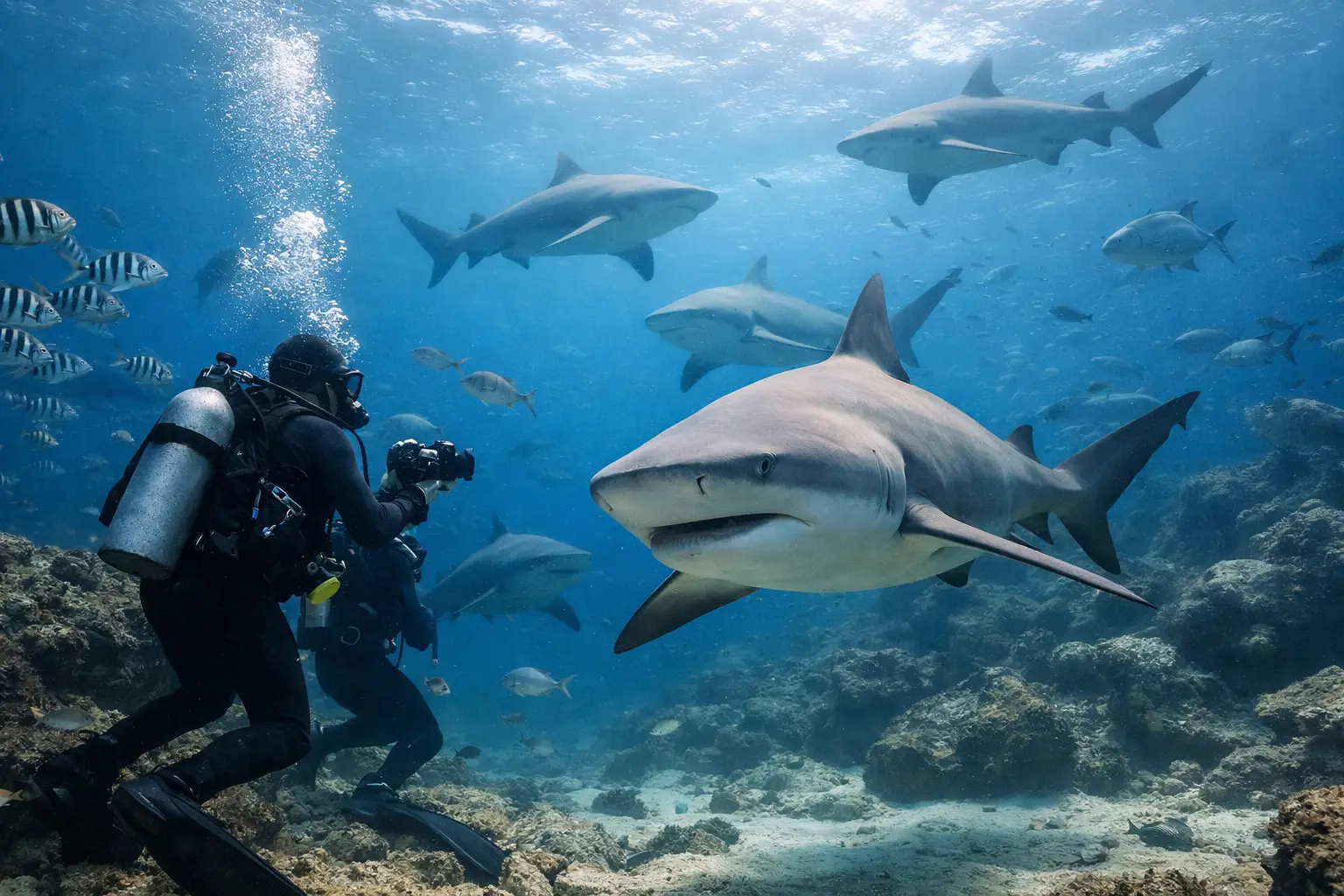
The moment a large bull shark moves through clear blue water a few yards away, the usual dive priorities – buoyancy, breathing, bottom time – take on a sharper focus. This shark diving review looks at what makes Fiji’s Colosseum experience so memorable, who will get the most from it, and what an honest traveler should consider before committing to a bucket-list descent.
For certified divers, a premium shark dive is not simply about getting close to powerful animals. It is about how that proximity is managed. The quality of the briefing, the discipline of the group, the guides’ ability to read conditions, and the operator’s approach to marine stewardship all shape whether the experience feels exhilarating, controlled, and worthy of the journey.
What Makes This Shark Diving Review Different
The Colosseum is a private marine protected area in the Beqa Lagoon, accessed from Pacific Harbour. Its reputation comes from encounters that can include several shark species in one dive, often with bull sharks as the central draw. Depending on season, conditions, and animal behavior, divers may also see lemon, nurse, whitetip reef, blacktip reef, silvertip, gray reef, and tiger sharks.
That range matters. A shark dive featuring only distant silhouettes can still be beautiful, but it is not the same as observing different species at close range and seeing how they occupy the water differently. Bull sharks tend to bring size and presence. Reef sharks are more mobile and often circle farther out. A tiger shark, when one appears, can change the energy of the entire site without needing to come particularly close.
No responsible operator should promise a specific shark or a fixed number of animals. Wildlife has the final say. Still, the protected setting and long-established dive operation give the Colosseum a strong foundation for meaningful sightings rather than a purely luck-driven encounter.
The Experience: Structured, Not Staged
The strongest feature of a well-run Fiji shark dive is structure. Before entering the water, divers should receive a clear briefing covering the dive plan, entry and exit procedures, assigned positions, body posture, camera etiquette, and what to do if a shark approaches closely. This is not background information to half-listen to while assembling gear. It is the framework that allows everyone to enjoy the encounter safely.
At the site, divers generally descend to a designated viewing area and remain together behind a natural or managed boundary while trained team members conduct the shark interaction. The exact layout can change with tides, visibility, and operational decisions, but the principle remains consistent: divers are observers, not participants trying to attract or touch animals.
That distinction is essential. Sharks are not props, and a professional encounter should never encourage guests to grab, ride, chase, or hand-feed them. The most compelling moments often come from staying still enough to notice the details: a shark’s measured turns, the movement of remoras, a sudden shift in the school of fish above, or the way an individual animal approaches with calm purpose and then disappears into the blue.
For photographers and videographers, the experience rewards restraint. Wide-angle lenses are usually more useful than trying to force a close portrait. Good buoyancy, a stable position, and awareness of fellow divers will produce better footage than drifting forward for one more frame. The sharks may come closer than expected, but the group should never move toward them.
What It Feels Like Underwater
First-time shark divers often expect panic or chaos. In reality, the feeling is commonly more focused than frightening. There is adrenaline, especially when larger sharks arrive, but the controlled setup gives divers a clear job: stay in position, remain calm, watch the guides, and observe.
The encounter can be humbling. Sharks are efficient, alert, and fully adapted to their environment. Watching them from a respectful distance replaces the exaggerated image many travelers carry with a more accurate one. These are neither mindless predators nor harmless pets. They are wild animals with behavior that deserves attention and respect.
Safety: Who Is This Dive Right For?
A shark dive is best suited to comfortable certified divers with recent experience, reliable buoyancy control, and the ability to follow instructions without distraction. The depth, current, visibility, and surface conditions can vary. Even when the viewing portion of the dive is stationary, the overall outing may include boat transfers, descents, ascents, and conditions that feel more demanding than an easy resort reef dive.
If you are newly certified, that does not automatically rule you out. The right question is whether you are calm in the water and honest about your comfort level. A refresher dive, a skills review, or a conversation with the dive team before booking can be a smart decision. It is far better to build confidence first than to spend a once-in-a-lifetime dive managing anxiety.
Divers should also be prepared for conservative rules. You may be asked to keep your arms close, avoid excessive finning, stay in a specific formation, and leave certain accessories behind. These restrictions are not there to diminish the experience. They protect divers, staff, and the animals while preserving the predictability that makes close observation possible.
A premium operation should use experienced guides, conduct detailed briefings, carry appropriate emergency equipment, monitor conditions, and be willing to alter or cancel a plan when needed. The weather forecast, a great camera kit, or a traveler’s tight itinerary should never override operational judgment.
Visibility, Conditions, and Expectations
Fiji is celebrated for vivid water and healthy reef life, but visibility is never a guaranteed number. Rainfall, runoff, wind, plankton, tide, and recent weather can all change the view. Some days may deliver broad blue-water scenes with sharks visible at a distance. Other days may be more atmospheric, with animals appearing out of the haze at closer range.
Neither condition is automatically better. Clear water can be ideal for wide compositions and seeing the larger scene. Reduced visibility can make a close pass feel especially dramatic, though it may be less appealing for travelers who want expansive video. If photography is your priority, allow several dive days in your itinerary rather than relying on a single outing to provide perfect conditions.
Water temperature, exposure protection, and personal comfort also matter. A diver who is cold, overweighted, or struggling with equipment will not fully enjoy the encounter. Bring or request gear you know fits well, and arrive with enough time to set it up properly. Coral Coast Divers can support divers with equipment and local guidance, but your own preparation remains part of the safety equation.
Conservation Is Part of the Value
The best shark diving experiences do more than create a thrilling travel story. They give sharks an economic value that is linked to protection rather than extraction, while helping visitors understand why healthy reefs need apex predators.
That benefit depends on standards. Conservation-minded shark diving means disciplined procedures, limited interference with wildlife, local marine knowledge, and an operator that invests in the environment it uses. In the Beqa Lagoon, that broader commitment can include marine education, shark behavior research, and coral restoration work alongside guided diving.
It is fair to ask direct questions before booking: How is the site protected? What are the group-size limits? How are dive guides trained? What procedures are used during the interaction? How does the operation contribute to local conservation? Clear, specific answers are a positive signal. Vague claims are not.
Is the Colosseum Worth Adding to a Fiji Dive Trip?
For divers who want a serious shark encounter, the answer is usually yes. The Colosseum is not designed as a casual sightseeing stop. It is a high-impact wildlife dive where preparation and professional oversight are central to the experience. That makes it especially rewarding for certified divers who value animal behavior, photography, and responsible adventure as much as the adrenaline of a close encounter.
The trade-off is that it asks more of you than a shallow, easy reef dive. You need to be comfortable with the conditions, disciplined in the water, and willing to accept that nature does not perform on command. In return, you get the chance to watch sharks as they should be seen: wild, respected, and central to a living marine ecosystem.
Choose the dive when you are ready to be an attentive guest in their world. The footage may become a favorite memory, but the lasting impression is usually simpler: a deeper respect for the animals you came to see.