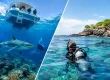
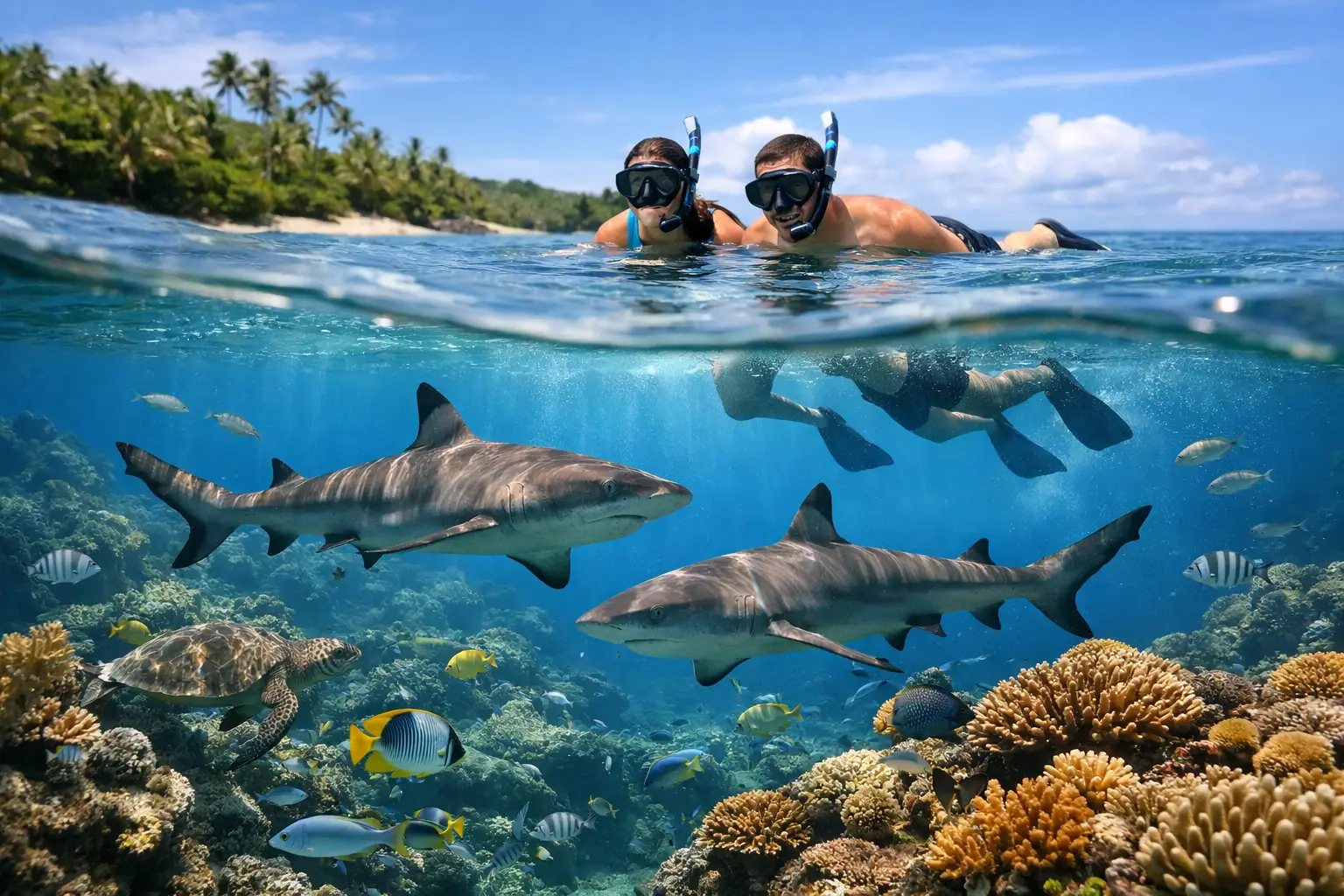
The best snorkeling spots Pacific Harbour has to offer are not defined by one crowded beach or a fixed pin on a map. They are found across the protected waters and reef systems of Beqa Lagoon, where the right site depends on wind, tide, visibility, current, and your comfort level in the water. On a good day, the reward is classic Fiji: bright coral gardens, schools of reef fish, clear blue water, and the sense that the reef is still very much alive.
For travelers who want more than a quick swim with a mask, the best approach is a guided boat-based snorkeling experience. It gives you access to healthier reef areas beyond the shoreline while putting local knowledge, safety planning, and marine interpretation at the center of the day.
Best Snorkeling Spots in Pacific Harbour: Start in Beqa Lagoon
Beqa Lagoon is the standout snorkeling area for visitors based in Pacific Harbour. The lagoon’s broad network of reefs, bommies, channels, and sheltered patches creates options for different conditions and experience levels. It is also a working marine environment, not a theme park, which is exactly why daily site selection matters.
On calm mornings, the lagoon can offer easy surface conditions and excellent visibility over shallow coral formations. On windier days, an experienced crew can choose more protected areas where the ride, entry, and time in the water remain comfortable. This flexibility is especially valuable for first-time snorkelers, families with confident swimmers, and photographers hoping to spend time observing rather than fighting current.
Sheltered coral gardens
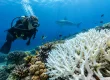
Shallow coral gardens are often the most rewarding choice for relaxed snorkeling. These areas typically combine patch coral, sandy channels, and reef structure close enough to appreciate from the surface without needing to free dive. Look for parrotfish grazing on coral, damselfish moving in tight groups, butterflyfish around branching formations, and occasional larger reef visitors passing along the edge of the garden.
The best gardens are not necessarily the shallowest. Very shallow reef can be vulnerable to surge, low-tide exposure, and accidental fin contact. A slightly deeper site with stable conditions often delivers a better view and allows snorkelers to float comfortably above the reef without disturbing it.
Beqa Island fringing reefs
The reefs surrounding Beqa Island can provide some of the most memorable scenery in the area. Fringing reef sections may hold dense fish life, varied hard coral, and more dramatic changes in depth than a typical shore snorkel. They are best experienced by boat and with guides who understand access, local protocols, weather patterns, and the appropriate distance from reef edges.
These locations suit swimmers who are comfortable in open water and able to follow instructions closely. Conditions can shift around island points and channels, so this is not the place to drift off independently. A good guide will brief the group on entry technique, boat positioning, current awareness, and the route before anyone enters the water.
Lagoon bommies and patch reefs
A bommie is an isolated coral formation rising from the seafloor, and snorkeling around one can feel like circling a small underwater city. Fish gather where shelter, food, and coral complexity come together. Lagoon patch reefs can be particularly productive for guests who want variety in a short session, since a single site may include coral heads, sand flats, and reef slopes within a manageable area.
These spots are also excellent for underwater photography. Rather than chasing fish, slow down and let the reef activity come to you. Hover at a respectful distance, breathe steadily, and watch the smaller details: cleaner fish at work, juvenile fish sheltering in coral, and changing patterns of light over the sand.
Why Shore Snorkeling Is More Variable
Pacific Harbour’s shoreline can be convenient, but convenience does not automatically mean the best snorkeling. Nearshore water can be affected by tides, rainfall runoff, wind chop, boat activity, and limited access to intact coral. Some days may be perfectly pleasant for a swim, while other days offer reduced visibility or conditions that make it harder to enjoy the reef safely.
That does not mean shore snorkeling has no value. It can be a useful way to test equipment, build confidence, or spend a quiet hour in the water. But travelers planning their Fiji trip around marine life should reserve their main snorkeling session for a boat outing into suitable lagoon conditions. The difference in reef quality and guidance can be substantial.
The Best Time to Snorkel in Pacific Harbour
Fiji can be snorkeled year-round, but visibility and surface comfort are influenced by seasonal weather. The drier months, generally from May through October, often bring cooler water, lower humidity, and favorable visibility. The wetter months can still produce beautiful snorkeling days, particularly when morning conditions are calm, but rainfall and wind may have a greater effect on visibility and site selection.
The most useful rule is simpler than choosing a month: go early, stay flexible, and choose an operator that selects sites according to actual conditions rather than a rigid schedule. Morning trips often benefit from lighter winds and calmer surfaces. If the forecast changes, a protected reef may be a smarter choice than an exposed one, even if the latter is better known.
Tides matter as well. At low tide, shallow reef can become difficult to access and easier to damage. At higher water, there is usually more clearance above the coral, though current may increase in some channels. Your guide should explain what the day’s tide means for your particular site.
Snorkeling Safely Around Reefs and Marine Life
The best snorkeling experience is relaxed, observant, and deliberate. Start with equipment that fits. A leaking mask or loose fin can turn an otherwise easy session into unnecessary stress. Test your mask seal on the boat, know how to clear it, and use fins that are secure without being painfully tight.
If you have not snorkeled recently, tell the crew before departure. A flotation device, brief skills review, or guided orientation can make a major difference. Strong swimmers may not need flotation, but there is no prize for declining a safety aid when conditions call for one.
Keep your body horizontal and your fins well above the coral. Never stand on reef, even on what appears to be bare rock. Coral can be fragile, sharp, and alive, while a single misplaced foot can damage organisms that took years to grow. Do not touch turtles, fish, shells, or coral, and avoid feeding marine life. The healthier the reef remains, the better the next snorkeler’s experience will be.
A Note on Sharks, Snorkeling, and Good Decision-Making
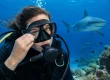
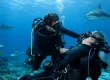
Pacific Harbour is internationally known for serious shark diving, particularly in Beqa Lagoon. That reputation naturally attracts ocean lovers who hope to see sharks from the surface. A responsible operator will set clear expectations: the region’s signature shark encounters are structured scuba diving experiences, not casual snorkel activities.
Snorkeling should take place at sites selected for snorkeling, with the right supervision and conditions. Respecting that distinction protects guests, supports sound wildlife practices, and lets each activity deliver what it does best. Reef snorkeling is about calm observation and color. Dedicated shark diving is a professionally managed underwater adventure with specific procedures, training expectations, and safety controls.
Make Your Snorkel Day Count
Bring reef-safe sun protection, a reusable water bottle, a rash guard, and a secure way to protect your camera. More importantly, bring patience. The most memorable moments are often the quiet ones: a turtle moving through blue water, a cloud of fusiliers turning above a coral head, or a small fish defending its territory with unexpected determination.
Coral Coast Divers can help guests choose a snorkeling experience that matches the day’s conditions and their confidence in the water, while keeping reef care and safe operation non-negotiable. Leave enough room in your itinerary for a morning on the lagoon. Fiji’s reef does not need to be rushed to be unforgettable.