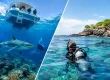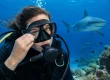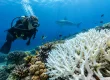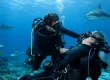
Some shark dives leave you with a few distant silhouettes and a nice story. The best shark dive leaves you with something more precise – absolute respect for the animals, total confidence in the operation, and the rare feeling that adrenaline and professionalism can share the same water.
That distinction matters. Shark diving has become a bucket-list experience for travelers who want more than another reef tour, but not every shark dive is built to the same standard. If you are deciding where to invest your time, travel, and trust, the real question is not just where you might see sharks. It is what makes a shark dive truly exceptional.
What makes the best shark dive
The answer starts with consistency. A great shark dive is not a lucky day on a reef where one shark passes through the blue. It is an intentionally designed experience with the right habitat, the right safety protocols, the right guides, and a setting that allows divers to observe shark behavior clearly and responsibly.
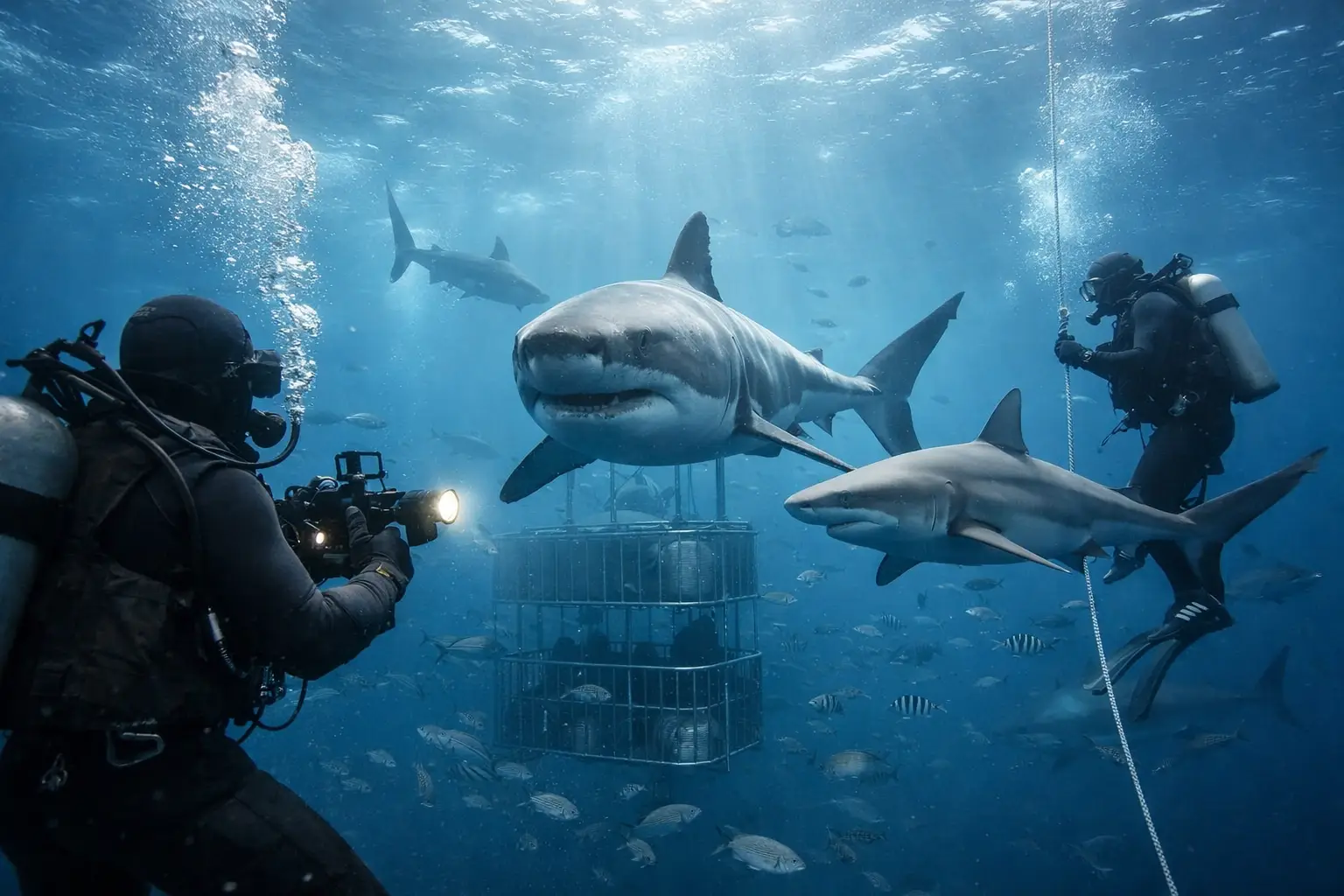
Species diversity is part of it. Seeing several shark species in one dive creates a very different experience from seeing a single animal at a distance. So is visibility. Clear water changes everything for both enjoyment and situational awareness. Positioning matters too. A well-managed site gives divers a stable viewing area, controlled diver placement, and a predictable structure that reduces confusion underwater.
Then there is the human factor. The best shark dive is led by operators who brief thoroughly, manage groups carefully, and understand that excitement should never replace procedure. That is especially important for travelers who are experienced on reefs but new to close shark encounters. A world-class dive should feel thrilling, not chaotic.
The best shark dive is never just about proximity
Close encounters get attention, but proximity alone does not make a dive better. In fact, if a shark experience feels rushed, poorly staged, or thin on diver control, closeness can quickly become the least impressive part of it.
What experienced divers tend to remember is the overall quality of the encounter. Were the animals moving naturally? Could you actually watch their body language? Did the guides create calm, clear conditions underwater? Did the site allow for strong photography without compromising diver safety or marine respect? Those details separate a serious shark destination from a novelty outing.
This is also where marine protection becomes part of the conversation. Sites that are actively managed tend to offer healthier reef systems, more reliable wildlife interactions, and stronger long-term outcomes for the animals themselves. If a shark dive is marketed as elite but has no visible conservation ethic behind it, that is worth noticing.
Why Fiji stands out for shark diving
Fiji has earned its place on serious divers’ shortlists because it offers more than warm water and postcard scenery. The reef systems are vibrant, the pelagic potential is real, and certain shark sites have developed global reputations for good reason.
For many divers, the strongest shark experiences in Fiji come from locations that combine reef structure, current patterns, and managed access in a way that creates reliable encounters. That reliability matters when you are traveling internationally and planning a trip around a signature dive. You want a site with a track record, not a hopeful guess.
Pacific Harbour has become central to that reputation because of the shark diving available in Beqa Lagoon. This area is known for encounters that are both visually dramatic and operationally structured, which is exactly the combination most divers are looking for. You can feel the energy of the experience without losing confidence in the system around you.
What a premium shark dive should feel like
Before you enter the water, the operation should already signal quality. Briefings should be specific, not theatrical. You should know where you will be positioned, how the descent works, what behavior is expected from divers, and how the team manages the site. Good operators remove uncertainty before the dive begins.
Underwater, the experience should feel organized. Divers should not be drifting into one another, chasing angles, or improvising around the action. The best shark dive creates a stable theater for observation. You are present for the encounter, but you are not part of the disturbance.
That balance is what makes premier shark diving so memorable. You get the pulse-raising moment of seeing large sharks move confidently through the water column, yet the environment still feels controlled. For underwater photographers and videographers, this is especially valuable. Clean positioning and consistent animal movement create stronger opportunities than a hectic free-for-all ever could.
Safety is part of the experience, not separate from it
Some travelers talk about safety as if it is a practical footnote. In shark diving, it is one of the reasons an experience feels premium.
When safety standards are high, divers are able to focus on the encounter itself. You are not distracted by vague instructions or uncertain group management. You can watch the sharks, monitor your buoyancy, and take in the site because the framework around you is competent and calm.
This is where training and operational discipline matter. An established team with strong diver education standards, experienced guides, and clear underwater procedures creates a very different atmosphere from an operator that relies mostly on hype. The difference may not show in marketing photos, but it shows immediately in the water.
It also helps define who the dive is right for. Some shark dives are best for advanced divers who are comfortable in current and confident in fixed-position observation. Others are accessible to a broader range of certified divers when site management and supervision are strong. That is why honest pre-dive communication matters. The best shark dive for one person may not be the best fit for another if experience levels differ.
Conservation is not a bonus feature
If sharks are the reason people travel, protecting sharks should be part of the product, not a side note buried in the fine print.
Responsible shark diving supports public understanding of species that are too often reduced to fear and myth. It also creates economic value around living sharks, which strengthens the case for protection. But that only works when operators treat conservation as an operating principle rather than a marketing line.
That can include marine protected areas, support for shark behavior research, reef restoration, debris reduction, and diver education that explains why these ecosystems matter. It should also show up in the tone of the dive itself. Respectful observation changes how people see sharks. A careless encounter might still feel exciting, but it does less for the animals and less for the future of the experience.
At its best, shark diving gives divers a direct connection to ocean stewardship. You do not leave thinking only about teeth and speed. You leave thinking about apex predators, reef balance, and why healthy marine systems are worth defending.
The best shark dive for different kinds of travelers
For experienced divers, the ideal shark dive usually comes down to species variety, visibility, and site management. These divers want a serious operation and a site with enough structure to make the encounter repeatably excellent.
For newer certified divers, confidence is often the deciding factor. A well-run shark dive can still be a remarkable choice if the operator provides clear expectations and a professional support system. The excitement is still there, but it is delivered in a way that builds trust rather than stress.
For non-divers or travelers early in their training, the best path may be to build toward the experience rather than force it immediately. Skills, comfort in open water, and familiarity with breathing and positioning all improve the quality of a future shark dive. Delaying by a few days or a certification step can make the eventual experience far better.
That is one reason Coral Coast Divers has earned attention from travelers seeking a premium shark encounter in Fiji. The combination of professional diver training, a world-famous shark site in a protected area, and a serious conservation mindset speaks to what discerning divers are actually looking for.
How to choose the best shark dive for your trip
Start by looking past the headline claim. Many places can promise action. Fewer can explain their safety procedures, site conditions, group size approach, and conservation practices with real clarity.
Ask practical questions. What certification level is recommended? How is the dive briefed? What species are commonly seen? Is the site protected? How many divers are in the group? Is the experience designed for observation, photography, advanced adventure, or a mix of all three? The answers will tell you much more than dramatic imagery alone.
It also helps to be honest about what you want. If your priority is cinematic close passes and premium execution, choose a site known for structured encounters. If you care as much about marine education as spectacle, choose an operator that can speak intelligently about shark ecology, not just shark excitement.
The best shark dive is the one that gives you the thrill you came for and still holds up under scrutiny once the adrenaline fades. When a dive combines expert leadership, strong safety culture, exceptional animal encounters, and real conservation value, it stops being just a bucket-list activity. It becomes the kind of experience that quietly resets your standard for what great diving should be.