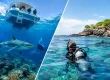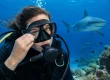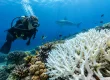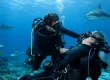
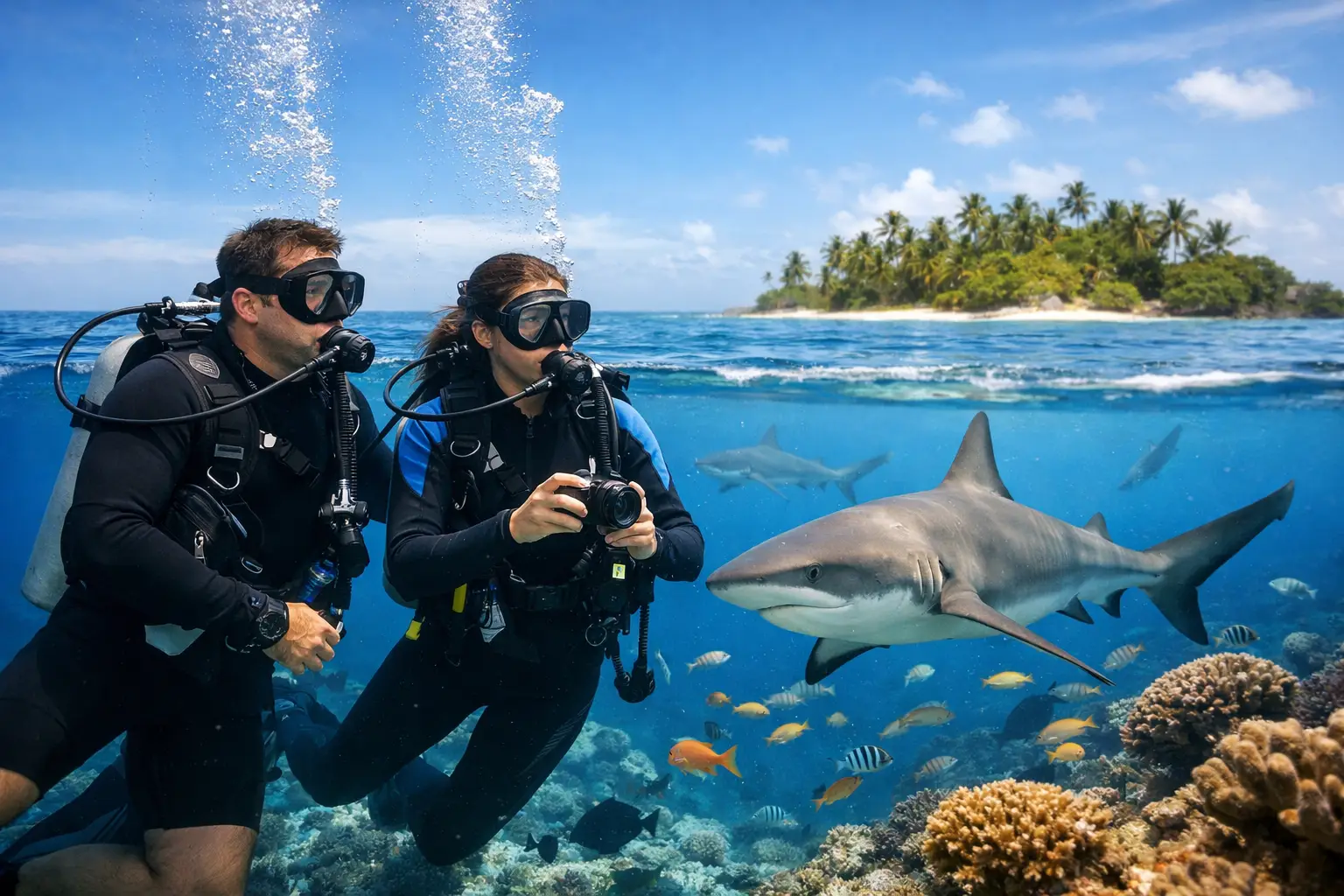
The best specialty course is not always the most exciting one on paper. It is the one that changes how you dive when conditions get real – stronger current, lower visibility, a camera in your hands, or a shark passing close enough that task loading suddenly matters.
This SSI specialty training guide is built for divers who want more than another certification card. If you are planning a Fiji dive trip, preparing for shark diving, or simply trying to become calmer and more capable underwater, specialty training helps close the gap between being certified and being truly ready.
At a destination known for big marine life, coral reefs, and dynamic sites, that distinction matters. Specialty training is where divers sharpen control, awareness, and judgment. It is also where diving becomes more personal. Instead of following a generic track, you start building a style of diving that fits your interests, comfort level, and future goals.
What an SSI specialty training guide should help you decide
A good SSI specialty training guide should do more than list courses. It should help you understand what each specialty actually improves, who it suits, and when it is worth doing.
Some specialties are skill-first. Perfect Buoyancy, Enriched Air Nitrox, Navigation, and Deep Diving make many divers better across almost every dive they do. Others are experience-specific. Shark Ecology, Waves Tides and Currents, Night and Limited Visibility, or Photo and Video are more connected to the type of diving you want to pursue.
The trade-off is simple. Skill-first specialties usually deliver the biggest long-term return. Experience-specific specialties can be more memorable right away, especially on a travel-driven dive holiday. The right choice depends on whether your priority is confidence, access, marine knowledge, or a specific bucket-list experience.
Start with the specialty that solves your biggest limitation
Most divers do not need more options. They need fewer weak points.
If your air consumption spikes when conditions change, buoyancy is often the issue. If you feel rushed underwater, navigation and situational awareness may need work. If deeper profiles leave you mentally busy, deep training can improve planning and composure. If you want longer no-decompression limits on repetitive dives, nitrox is a practical upgrade.
That is why the smartest path is rarely random. Choose the specialty that removes the obstacle currently holding your diving back.
Perfect Buoyancy
If there is one specialty that improves almost everything else, it is buoyancy. Good buoyancy protects reefs, lowers air consumption, improves trim, and helps you stay calm around marine life. It also makes photography easier and finning more efficient.
For divers heading into vibrant coral environments, this is more than a comfort issue. Stable positioning means less accidental contact, less stress, and more control when the dive gets busy. It is not flashy, but it is one of the best investments in your diving.
Enriched Air Nitrox
Nitrox is popular for good reason. On multi-day dive trips, it can help reduce nitrogen loading and support more conservative profiles. For traveling divers trying to maximize water time, that practical advantage matters.
It is not a magic upgrade. You still need to understand exposure limits, gas analysis, and planning. But if you expect to dive several days in a row, nitrox often delivers immediate value.
Navigation
Navigation is often underrated until a diver realizes how much easier the whole dive feels with better orientation. This specialty develops compass use, natural navigation, and route planning.
That matters on reefs, walls, and sites where current can change the feel of an exit. It also builds independence. Even when you are diving with a guide, stronger navigation skills make you a better buddy and a more aware diver.
Deep Diving
Deep training is not about chasing numbers. It is about understanding gas supply, narcosis awareness, descent control, time management, and sharper decision-making at depth.
For divers interested in advanced reef structures, certain wreck profiles, or more technical-looking topography, this specialty can be a logical next step. It only makes sense, though, if your buoyancy and baseline comfort are already solid.
SSI specialty training guide for shark diving preparation
A lot of divers ask which specialty is best before a shark dive. The honest answer is that there is no single required course for every diver. But there are clear patterns.
Perfect Buoyancy is usually the most useful foundation. Around large marine life, unnecessary movement creates distraction for you and for the group. Good trim and calm finning help you settle in, follow briefing protocols, and stay focused on the experience.
Waves Tides and Currents can also be a strong choice if you want more confidence reading moving water and responding calmly to changing conditions. Shark Ecology adds something different. It does not replace in-water skills, but it improves how you interpret behavior, positioning, and the wider role sharks play in healthy marine systems.
That combination matters. The best shark divers are not the ones trying to get closest. They are the ones with the control to stay still, the awareness to follow structure, and the respect to understand what they are seeing.
In Pacific Harbour, where world-class shark diving is paired with serious safety standards and strong conservation values, that mindset is part of the experience. Coral Coast Divers builds training around both capability and marine stewardship, which is exactly how specialty education should function in a place like this.
How to choose the right SSI specialty for your trip
If your trip is short, choose a specialty with immediate payoff. Nitrox, buoyancy, or navigation often make sense because you can use those skills right away across multiple dives.
If your trip is built around one signature experience, choose the specialty that supports that goal. For underwater imaging, photo and video training can be worthwhile. For wildlife-focused diving, shark ecology or fish identification may deepen the trip more than another purely technical course.
If you are building toward advanced recreational diving, think in sequences rather than one-offs. Buoyancy often comes first, followed by nitrox, navigation, deep, and site-specific specialties depending on where and how you dive.
It also depends on your current level. A newer diver may gain more from strengthening fundamentals than from enrolling in a highly specific specialty too early. An experienced diver, on the other hand, may be ready for a course that expands access or sharpens a niche interest.
What makes specialty training worth it
A specialty course is worth the time when it changes your behavior after the course ends.
That could mean better gas planning, cleaner ascents, less reef contact, stronger buddy communication, or more confidence in current. It could also mean seeing marine life differently. Conservation-focused specialties often have a lasting impact because they shift how divers interact with the underwater world, not just how they perform in it.
That is especially relevant in Fiji, where healthy reefs, shark populations, and protected marine areas are central to the diving experience. Education and conservation are not separate tracks. A well-run specialty course should improve your diving while making you a more responsible visitor underwater.
A practical way to build your specialty path
If you are unsure where to begin, think in three layers.
The first layer is control. Buoyancy, navigation, and nitrox sit here. These courses make you more comfortable and more efficient.
The second layer is conditions. Deep diving, waves tides and currents, and night or limited visibility prepare you for dives that demand more planning and composure.
The third layer is purpose. This is where ecology, shark-focused learning, imaging, and other interest-driven specialties belong. These courses shape the kind of diver you want to become.
That order is not mandatory, but it is usually effective. Strong fundamentals make every advanced or experience-led specialty more useful.
What to ask before booking a specialty course
Before choosing a course, ask how much in-water time it includes, whether it fits the dives you actually want to do, and what outcome you should expect by the end. Not every specialty delivers the same kind of result.
You should also ask whether the course is being taught as a box-checking exercise or as real skill development. The difference is obvious underwater. A quality program is structured, safety-focused, and adapted to conditions, not rushed through for convenience.
For travel divers, scheduling matters too. Some specialties fit neatly into a short itinerary. Others are better taken when you have enough time to absorb the learning instead of squeezing it between every other activity.
The best specialty training does not just add another line to your logbook. It makes the next dive feel more controlled, more rewarding, and more connected to the environment around you.
Choose the course that will still matter after the vacation photos are sorted.