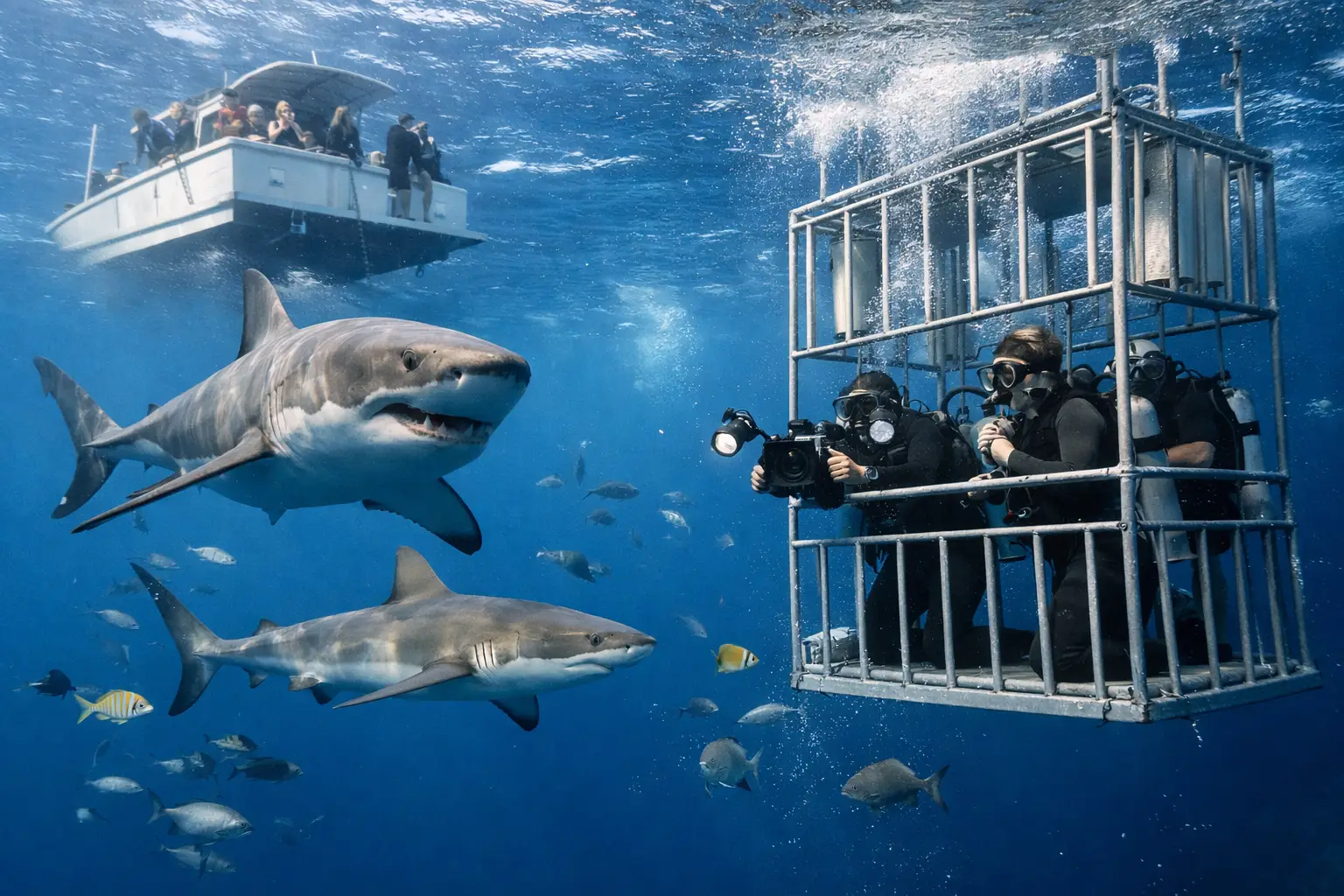
A shark dive can deliver the kind of memory that changes how a person sees the ocean: a bull shark moving through clear water with calm purpose, reef sharks holding their place in the current, and trained professionals guiding every moment. The most meaningful shark research tourism trends build on that thrill. They ask travelers to look beyond the close encounter and consider what a well-run dive operation can contribute to shark knowledge, habitat protection, and local stewardship.
For serious divers and conservation-minded travelers, this shift matters. A premium shark experience is no longer defined only by how close you get or how many species appear. It is increasingly judged by the quality of the briefing, the discipline underwater, the operator’s role in marine protection, and whether tourism supports long-term science rather than simply using wildlife as a backdrop.
Why Shark Tourism Is Moving Toward Research
Sharks are difficult animals to study. Many species travel far beyond a single reef, mature slowly, produce relatively few young, and respond differently to changing water temperatures, food availability, fishing pressure, and habitat loss. Reliable research takes time, consistent observation, and careful interpretation.
This is where responsible tourism can have real value. Dive teams return to the same sites over many seasons. Guides, photographers, and visiting divers may document recognizable individuals, visible injuries, mating scars, behavior patterns, and changes in species presence. Those observations do not replace formal scientific studies, but when they are collected responsibly and shared through appropriate channels, they can add useful context.
The strongest programs keep the roles clear. Scientists set research methods and evaluate findings. Dive operators maintain safe, repeatable procedures. Guests participate as informed observers rather than assuming every underwater sighting is a scientific result. That distinction protects both the credibility of research and the welfare of the animals.
The Shark Research Tourism Trends Changing Dive Travel
Travelers want a meaningful role, not a lecture
Today’s experienced dive traveler often wants more than a conservation talk at the end of the day. They want to understand the animals they are seeing and the rules that shape the encounter. A strong pre-dive briefing can explain shark body language, site protocols, species identification, and why divers must stay in their assigned positions.
Some visitors also value practical ways to contribute, such as submitting clear identification photographs, recording structured observations, or supporting conservation projects through their trip. The best opportunities are straightforward and honest about their limits. A single photo may help document an individual shark, but it does not automatically establish a population trend.
This approach makes the experience richer without turning guests into unpaid field staff. You are still there to enjoy an extraordinary dive. You simply leave with a sharper understanding of what you witnessed and why disciplined conduct matters.
Photo identification is becoming more useful
High-quality underwater cameras have made it easier for divers to capture identifying features, including scars, fin shapes, coloration patterns, and distinctive markings. In the right study, repeat images can help researchers recognize individuals over time and learn about site fidelity, movement, or survival.
There is a trade-off. The pursuit of a perfect image can distract a diver from safety, buoyancy, and situational awareness. It can also encourage people to move closer than the site protocol allows. Responsible shark photography begins with the same rule that guides every premium encounter: the animal sets the distance. A great image is never worth disrupting shark behavior or compromising the group’s position.
For videographers and photographers, this is an opportunity to bring home more than dramatic footage. Thoughtful images can tell a story about shark diversity, conservation, and the professionalism required to operate in close proximity to large marine animals.
Long-term site monitoring has greater value than one-off spectacle
A single remarkable dive tells you what happened on one day. Repeated observations at the same protected location can reveal much more. Seasonal changes in shark activity, the arrival of new individuals, reef condition, water clarity, and fish abundance become visible only when records are maintained over months and years.
This is one reason marine protected areas are central to the future of shark tourism. When an operator has a genuine stake in preserving a site, tourism revenue can help fund patrols, local employment, education, habitat work, and ongoing monitoring. Protection is not guaranteed by a boundary on a map. It depends on consistent management and community support.
At sites such as The Colosseum in Fiji’s Beqa Lagoon, a private marine protected area, the value of long-term stewardship is especially clear. The objective is not to manufacture a wild encounter. It is to maintain a controlled operating environment where shark diving, diver safety, and marine conservation are treated as connected responsibilities.
Divers are asking tougher safety and welfare questions
Adventure travelers are increasingly informed, and that is a positive trend. Before booking, many want to know how groups are managed, what training the guides hold, whether operators limit diver numbers, and how they respond when conditions are not suitable. These questions should be welcomed.
Responsible shark diving is built on process. That includes a detailed site briefing, clear entry and exit procedures, appropriate equipment, experienced guides, controlled positioning, and a group that follows directions without improvisation. It also means recognizing that conditions can change. Visibility, current, animal behavior, and guest experience levels all influence the plan.
There is no universal formula for every shark dive. A calm, sheltered reef encounter calls for different procedures than a deep-water site with stronger current and larger species. The standard is not identical conditions. The standard is professional judgment, conservative decision-making, and respect for the animals’ natural behavior.
What Responsible Participation Looks Like
Research-oriented tourism works best when visitors arrive prepared. Certified divers should be honest about their recent experience, buoyancy comfort, and camera skills. Travelers new to diving should choose a proper training path rather than treating a major shark encounter as a shortcut around foundational skills.
Underwater, the most valuable contribution is often simple: stay calm, remain aware, follow the guide, and avoid chasing, touching, blocking, or crowding wildlife. Sharks deserve space. So do the other divers sharing the site.
Above water, ask specific questions. How does the operation support protection of the dive site? Is local community involvement part of the conservation model? Are observations recorded consistently? What standards guide guest behavior? Clear answers are a sign that conservation is part of operations, not merely a marketing theme.
It also helps to understand the financial reality. Tourism can create a powerful economic case for keeping sharks alive, especially in destinations where marine wildlife supports local jobs, hospitality, dive professionals, and conservation work. But revenue alone does not make an experience responsible. It must be paired with transparent practices, manageable visitor pressure, and meaningful investment in the ecosystem.
Where the Trend Is Headed
The next phase of shark tourism will likely be more selective rather than simply bigger. Travelers will continue to seek bucket-list encounters, but premium operators will differentiate themselves through smaller groups, stronger training, better interpretation, and measurable stewardship.
Technology may assist through improved photo databases, more accessible environmental monitoring, and easier reporting of sightings. Still, the core of responsible shark tourism will remain human: knowledgeable guides, capable divers, local partners, and operational teams willing to put safety and animal welfare ahead of a guaranteed spectacle.
For travelers, that creates a better kind of adventure. The encounter stays exhilarating, but it also carries context. You are not just passing through a shark habitat. You are choosing whether your travel helps protect the conditions that make such encounters possible.
A well-chosen shark dive should leave you with more than footage and stories. It should leave you more observant underwater, more demanding about professional standards, and more invested in the future of the species that brought you there.