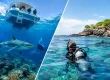
Some places earn their reputation with glossy brochures. Pacific Harbour earns it the moment you drop below the surface and realize how much range this one destination offers. A strong Pacific Harbour diving guide should do more than name famous sites – it should help you understand who this area suits, what conditions can feel like, and how to plan a trip that matches your experience level and goals.
For many divers, the headline is obvious: sharks. Beqa Lagoon has become one of the world’s most recognized shark diving regions for good reason, and the encounters here are genuinely memorable. But limiting Pacific Harbour to one signature experience misses the bigger picture. This is also a destination for reef diving, training, freediving, snorkeling, underwater imaging, and marine travelers who care about conservation as much as the thrill.
Why Pacific Harbour stands out
Pacific Harbour sits in a rare sweet spot for dive travel. It offers access to high-adrenaline bucket-list dives, but it also works well for divers who want structure, professional oversight, and options beyond a single big day on the water. That matters if you are traveling internationally and want confidence that your dive operator can support everything from first-time ocean dives to advanced specialty experiences.
The local appeal comes from variety. You can spend one day focused on shark behavior and large-animal encounters, then shift to coral-rich reef systems, training dives, or a private experience built around photography or skill development. For couples or groups with different comfort levels, that flexibility makes trip planning much easier.
Conditions can also be rewarding without being one-size-fits-all. Some sites are calm and inviting. Others are more exposed, more dynamic, and better suited to divers with solid buoyancy and situational awareness. That range is part of what makes the area so respected.
Pacific Harbour diving guide to the main experiences
If you are deciding whether this destination is right for you, start with the style of diving you want most.
Shark diving in Beqa Lagoon
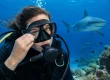
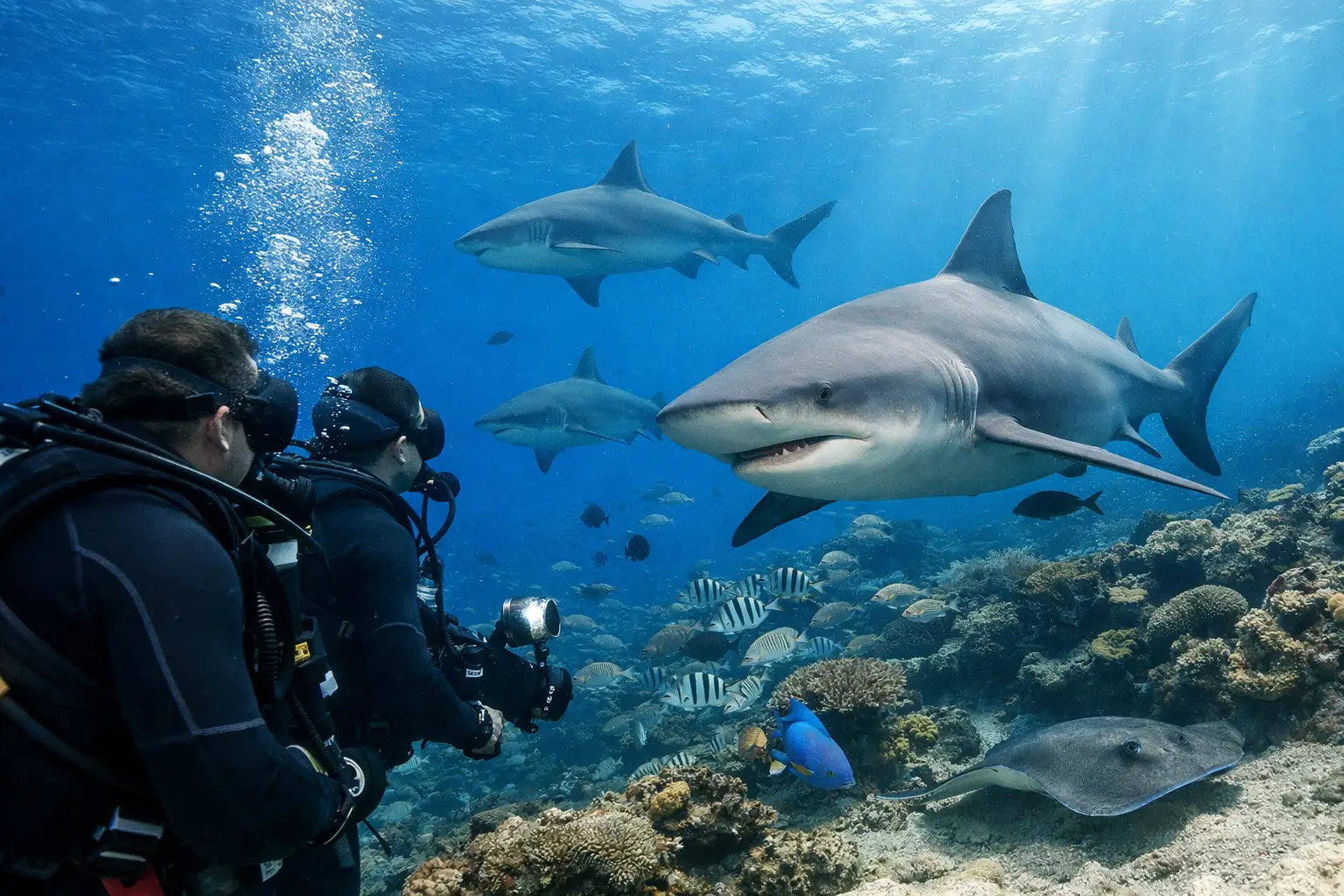
This is the experience that puts the region on many travel lists. The best shark dives here are not casual spectacle. They are structured operations built around site knowledge, safety procedures, briefing discipline, and clear positioning in the water. When done properly, the result is not chaos but control – a front-row view of multiple shark species in an environment managed with purpose.
That distinction matters. Shark diving should feel exciting, but never improvised. Divers looking at Pacific Harbour for this reason should prioritize operators with strong safety standards, experienced briefings, and a demonstrated conservation ethic. The most respected experiences are grounded in marine protection and long-term stewardship, not just adrenaline.
For certified divers, this can be the defining day of a Fiji trip. For newer divers, whether it is appropriate depends on certification level, comfort in the water, and the operator’s standards. Not every diver should start here, and a good dive center will tell you that clearly.
Reef diving and marine diversity
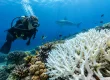
The shark headlines sometimes overshadow the fact that this area offers beautiful reef diving as well. Healthy coral structures, reef fish activity, macro life, and changing topography make the surrounding sites worthwhile even if sharks are not your main reason for visiting.
This side of Pacific Harbour often appeals to divers who want a more relaxed pace or a broader underwater portfolio. It is also ideal for underwater photographers who want contrast in a single trip – big-animal drama one day, texture and color the next. If you are traveling with a non-diver who wants to try snorkeling or a beginner who is not ready for advanced conditions, reef-focused options can be a better fit.
Training and first-time experiences
One of the strongest reasons to choose a full-service destination is that your trip does not need to be limited by your current certification level. If you are not yet certified, or if it has been years since your last dive, Pacific Harbour can still work well with the right support.
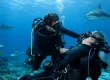
Refresher sessions, introductory programs, and full certification courses allow travelers to build confidence before moving into more demanding dives. For already certified divers, advanced education, buoyancy work, deep training, and specialty pathways can make the trip more valuable than a simple fun-dive schedule. A serious operation will treat training as part of the experience, not an afterthought.
Who this destination is best for
Pacific Harbour rewards a certain kind of traveler. If you want polished logistics, experienced local guidance, and diving that feels substantial rather than generic, you are in the right place. It is especially strong for adult adventure travelers, certified divers chasing signature shark encounters, and couples or groups where one person wants high action while another wants a more gradual entry into the water.
It also works well for eco-conscious travelers. The best dive experiences here are tied closely to marine protection, coral restoration, and responsible wildlife interaction. If that matters to you, ask direct questions about conservation practices, protected areas, and how operators approach shark behavior and habitat stewardship.
If your only priority is the cheapest possible diving, this may not be your best match. Premium operations cost more because they invest in staff training, safety systems, smaller groups, quality equipment support, and conservation work. For most travelers coming this far, that trade-off is worth it.
When to visit and what to expect
Fiji is a year-round dive destination, but conditions always depend on weather, sea state, and site selection. Water temperature is generally comfortable, and many visitors find that there is no single bad season so much as different trip styles depending on the month.
Some travelers prefer periods with calmer surface conditions and easier boat days. Others prioritize the chance for especially dramatic marine activity and are comfortable with more variable weather. This is where a conversation with your dive center matters. A good operator will set realistic expectations instead of promising perfect visibility and flat seas every day.
If your trip centers on shark diving, leave room in your schedule. Building flexibility into your itinerary gives you a better chance to align with suitable conditions and also allows time for reef dives, skill refreshers, or a second signature day if the first one leaves you wanting more.
Choosing the right operator in Pacific Harbour
A practical Pacific Harbour diving guide should be honest about this: your experience will depend heavily on who takes you out.
Look for clear credentials, strong pre-dive communication, and evidence that safety is operational, not just marketing language. That includes thorough briefings, realistic diver screening, well-maintained gear, and staff who can explain why a site is or is not appropriate for you on a given day.
It is also worth looking at group style. Smaller, more personalized operations often create a better experience for travelers who value coaching, photography support, or calm, organized pacing. Larger groups can work, but they are not always ideal for nuanced site conditions or mixed experience levels.
Conservation should be another filter, especially in a place known for sharks. The strongest operators support marine protected areas, education, and reef stewardship in visible ways. Coral Coast Divers is one example of an operator built around that combination of premium diving, training standards, and conservation-minded practice.
How to prepare for your trip
If you are already certified, check your comfort level honestly before you arrive. Shark diving and advanced reef diving are more enjoyable when your buoyancy, air consumption, and situational awareness are current. If you have been out of the water for a year or more, schedule a refresher rather than hoping it all comes back on the boat ride.
Travelers bringing cameras should think through lens choice and dive priorities in advance. Big-animal dives and reef dives ask for different setups, and trying to do everything on one configuration can be frustrating. If images matter to you, talk through conditions and subject matter before your first dive day.
It also helps to treat this as a real dive trip, not just a beach vacation with one underwater excursion added in. Sleep well, hydrate, respect surface intervals, and give yourself time to settle in. Divers who arrive rested and organized usually get much more from the experience.
What makes the experience memorable
The most memorable part of diving here is not just the scale of the encounters. It is the sense that the underwater experience has depth beyond the moment itself. When shark diving is framed by expert supervision, marine knowledge, and conservation intent, it changes from a thrill into something more meaningful.
That is what gives Pacific Harbour staying power. You can come for the sharks and leave talking about reef life, training progress, coral restoration, or how much more confident you felt by the end of the trip than when you arrived. Few dive destinations deliver that balance so cleanly.
If you are planning a Fiji dive vacation and want more than a single headline moment, choose the kind of operation that treats every descent as both an adventure and a responsibility. That is where the best trips begin.