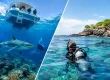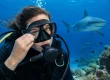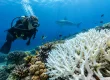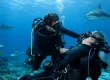
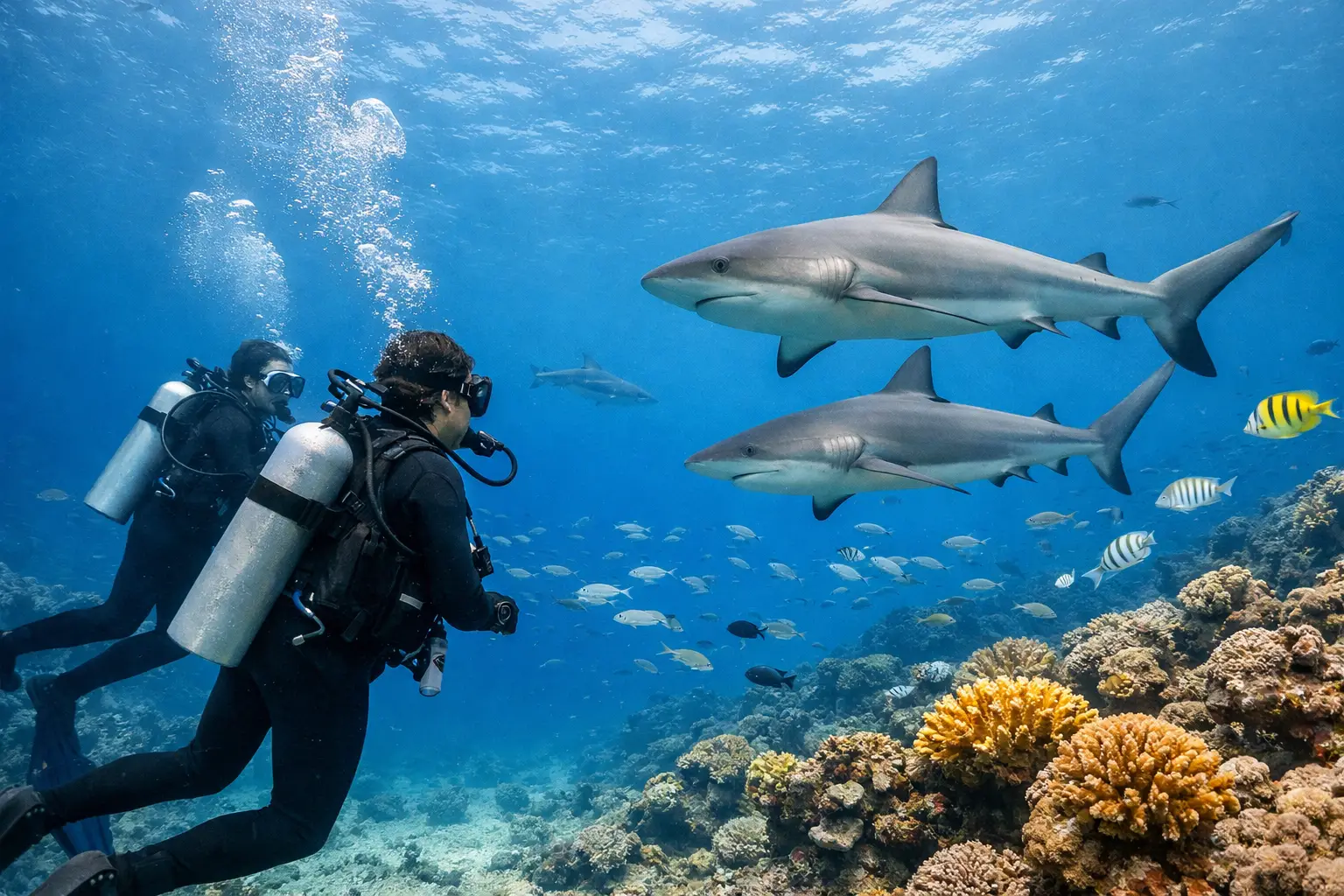
The first time you breathe underwater in Fiji, two things usually happen at once – your world goes quiet, and your senses switch on. You notice the light moving across coral, the sound of your own breath, and the fact that this is not a pool session or a theme-park version of scuba. If you want to learn to dive in Fiji, you are choosing a place where training can feel like a real expedition from day one.
That is exactly why Fiji appeals to so many first-time divers. The conditions can be friendly, the marine life is memorable, and the jump from classroom basics to open-water experience feels meaningful. But there is a difference between learning somewhere beautiful and learning somewhere well. The best experience comes from pairing Fiji’s reefs with professional instruction, clear safety standards, and an operator that treats the ocean as more than a backdrop.
Why learn to dive in Fiji
Fiji gives beginners something many destinations cannot – warm water, strong marine biodiversity, and dive sites that can scale with your confidence. Early training dives do not need to feel sterile. Even while practicing mask skills, buoyancy, or regulator recovery, you may be surrounded by healthy reef structure, reef fish, and the kind of visibility that helps new divers stay calm and oriented.
There is also a practical advantage. When students are comfortable in the water, they usually learn faster and retain more. Heavy exposure protection, cold-water stress, and poor visibility can make entry-level training feel more demanding than it needs to be. In Fiji, the environment often removes some of that friction. That does not make scuba easy, and it should not. It simply means your attention can stay on the right things – breathing, awareness, control, and communication.
For travelers, Fiji also works well because diving can be part of a larger trip rather than a separate mission. You can train, snorkel on rest days, explore reefs, and build toward more advanced experiences without feeling rushed.
What beginners should expect from dive training
If you plan to learn to dive in Fiji, expect real instruction, not a quick thrill dressed up as certification. A quality open water course should include academic learning, confined water skill development, and open water dives where you apply those skills in the ocean. The goal is not simply to get through the checklist. It is to become a diver who is comfortable, safe, and aware underwater.
Most beginners are surprised by what matters most. It is rarely raw athletic ability. Good students are often the ones who stay relaxed, listen carefully, ask questions, and practice deliberately. If you can swim, follow guidance, and stay patient with yourself, you are already bringing the right traits.
It is also worth being honest about nerves. Many first-time divers worry about ear equalization, mask clearing, or breathing through a regulator. Those concerns are normal. With good instruction, they become manageable step by step. Rushing is what creates problems. Strong dive education does the opposite – it builds familiarity before adding complexity.
The difference a professional training environment makes
The instructor matters, but so does the entire operation around them. Equipment standards, briefing quality, site selection, emergency planning, and student-to-pro ratios all shape the outcome. In a destination like Fiji, where the scenery can distract from the basics, structure becomes even more important.
An SSI 5 Star IDC Dive Resort with a serious training culture brings more than credentials. It signals consistency in education, equipment handling, and operational systems. That matters for beginners because confidence is easier to build when everything around you feels organized and calm.
Choosing the right place to start in Fiji
Not every new diver wants the same first chapter. Some travelers want a straightforward certification course on sheltered reefs. Others want to learn in a place that opens the door to bigger adventures later, including shark dives, freediving, or conservation-focused experiences. The right choice depends on your timeline, comfort level, and goals after certification.
Pacific Harbour stands out for students who want more than a basic stamp on their logbook. It is known for access to exceptional reef systems and world-class shark diving in Beqa Lagoon, but that does not mean beginners are pushed beyond their level. It means you can train with a team that understands the full path of diver development – from first breath underwater to advanced specialty experiences.
That progression has value. Learning with an operator that also works in shark behavior education, marine stewardship, and reef protection tends to create more thoughtful divers. You are not only learning how to descend and ascend. You are learning how to move through a living environment responsibly.
Safety is not the boring part
The most memorable dive trips are usually built on the least glamorous details. Proper equipment checks. Clear hand signals. Conservative site decisions. Honest conversations about conditions. In beginner training, those details are the foundation of enjoyment, not a separate category.
Fiji can offer calm, inviting conditions, but the ocean is still the ocean. Weather shifts, currents vary, and one site may be ideal for training while another is better left for experienced divers. A credible operator explains those differences clearly. They do not sell every site to every person.
This is especially important if you are attracted by Fiji’s reputation for shark encounters. Shark diving is one of the region’s defining experiences, but it belongs in the right part of your journey. Learn your core skills first. Build comfort in the water. Get certified properly. Then step toward advanced experiences with the respect and preparation they deserve.
Learning now can shape every dive after
Entry-level habits are sticky. If you learn good buoyancy early, you will use less air, disturb less marine life, and feel more in control on every dive trip that follows. If you learn rushed habits, they can take years to unlearn.
That is one reason conservation-minded training matters. Divers who are taught neutral buoyancy, reef awareness, and animal respect from the beginning tend to become better ocean visitors. They kick less coral, chase fewer animals, and understand why marine protected areas matter.
At Coral Coast Divers, that mindset is part of the experience rather than an add-on. The same destination known for premium shark diving also supports coral restoration, marine education, and structured environmental practices. For many students, that makes the first certification feel more connected to the place itself.
Is Fiji good for nervous first-time divers?
Usually, yes – if you choose the right course format and do not pressure yourself to be instantly perfect. Fiji’s warm water and reef access can be a real advantage for anxious beginners because comfort supports learning. But nervous divers still need patient instruction, sensible pacing, and space to repeat skills without embarrassment.
If you have been putting off scuba because the idea feels intimidating, it helps to reframe the experience. You are not signing up to become fearless overnight. You are learning a system. Like any serious skill, it becomes manageable when taught in sequence.
The best first-day outcome is not looking effortless in photos. It is finishing the session understanding your gear better than you did in the morning and feeling calmer than you expected.
How to prepare before your trip
A little preparation goes a long way. Arrive well rested, hydrated, and ready to listen. If you wear contacts or have any medical conditions that may affect diving, ask questions before the course starts rather than on the boat. Bring comfort items that help you focus, but do not overcomplicate your gear if you are renting from a full-service operator.
It also helps to protect your schedule. Do not try to cram certification between late nights, packed excursions, and a departure flight the next morning. Good dive training deserves mental bandwidth. Give yourself enough time to absorb the experience and enjoy it.
If your goal is long-term diving, not just a one-off vacation activity, ask what comes after certification. Can you continue with reef dives, specialties, private guiding, or marine-focused experiences once your course is complete? The best places to learn are often the places that make you want to keep going.
Learning to dive in Fiji should feel like the start of something bigger, not a box checked on a travel itinerary. When your first training dives are grounded in expert instruction, marine respect, and a setting that reminds you why the ocean matters, the certification stays with you long after the trip ends.