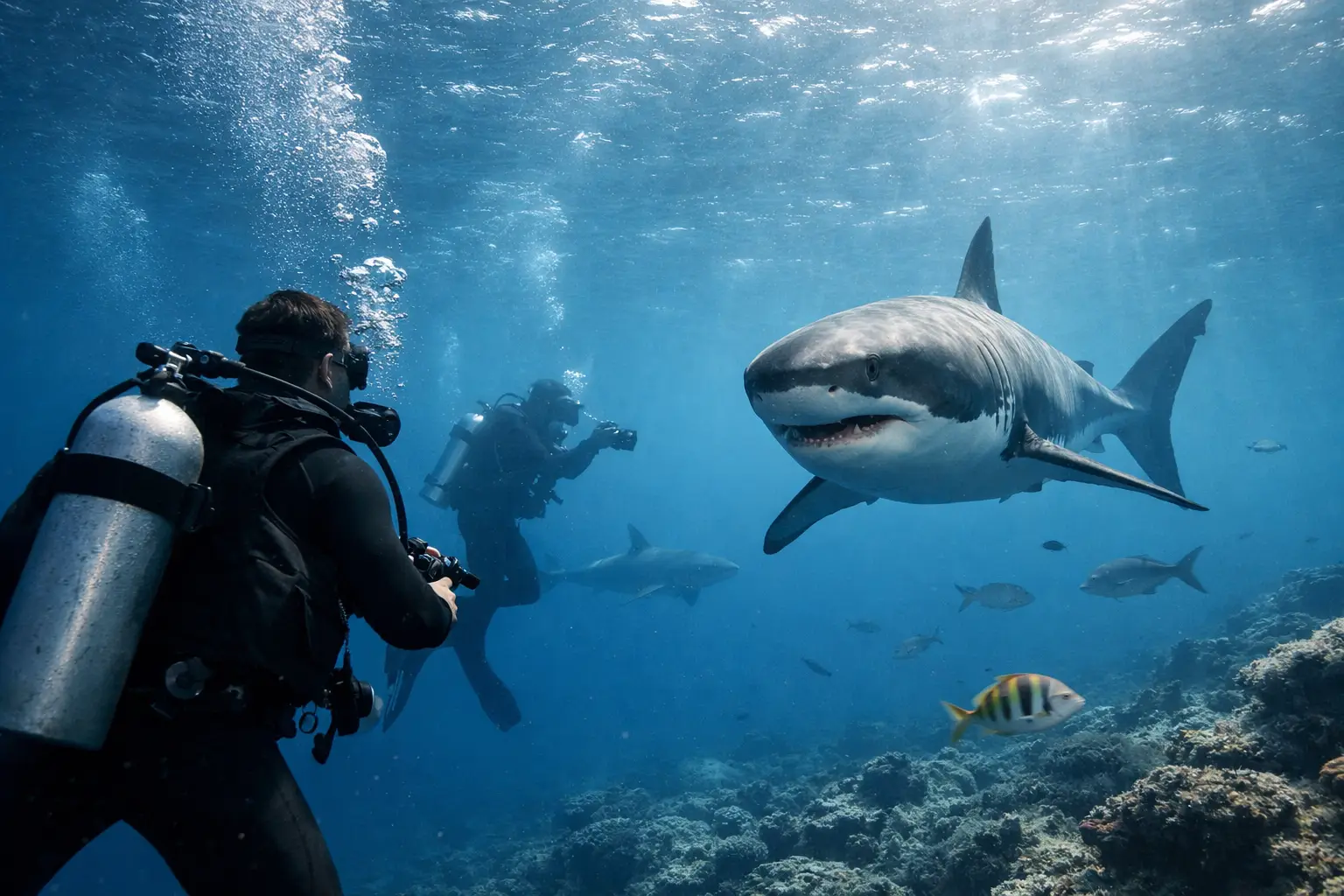
The first thing most people picture is the shark. The better question is the system around the shark. If you are asking how safe is shark diving, the answer depends far less on drama and far more on training, site control, diver behavior, and the standards of the operator leading the experience.
That may sound less cinematic than a close pass from a bull shark, but it is the truth. Well-run shark dives are not improvised thrill rides. They are structured underwater experiences built around risk management, species knowledge, clear briefings, and disciplined group control. When those pieces are in place, shark diving can be a very safe way to experience one of the ocean’s most misunderstood predators.
How safe is shark diving in real conditions?
Shark diving is generally very safe when it is conducted by experienced professionals in controlled conditions with appropriate diver screening and site procedures. That does not mean risk-free. Nothing in the ocean is. But the actual level of risk is often much lower than first-time guests expect, especially when compared with the fear sharks tend to generate on land.
The real safety picture comes down to a handful of variables. The operator matters. The dive site matters. The species involved matter. Your own comfort in the water matters. A calm, highly supervised shark dive at a known site with a seasoned team is very different from an unmanaged encounter or a poorly run operation that treats briefing and spacing as an afterthought.
This is why experienced divers tend to ask practical questions rather than emotional ones. Who is leading the dive? How are groups positioned? What are the entry and exit procedures? How are sharks fed, observed, or managed if baiting is part of the operation? What happens if a diver drifts out of position or feels anxious underwater? Those answers tell you far more than the word shark ever will.
What actually makes shark diving safe?
Safety starts before anyone gets wet. A serious shark diving operation screens divers honestly, explains the dive in detail, and sets expectations clearly. That includes minimum certification or experience requirements where needed, realistic discussions about currents and visibility, and a direct explanation of what divers should and should not do around sharks.
In the water, structure is everything. Divers are placed in controlled positions, the group stays compact, and guides monitor both diver behavior and shark movement. Good operators do not rely on bravado. They rely on spacing, communication, body language, and predictable routines. Sharks respond well to consistency. So do divers.
Surface support is another major factor that guests often overlook. Boat crew, emergency oxygen, first aid protocols, radio communication, and evacuation planning are all part of the safety framework. The most professional operations make all of this feel calm and routine, which is exactly how it should feel.
At premium shark diving sites, safety also benefits from deep local knowledge. Teams that work the same sites repeatedly learn seasonal patterns, individual species behavior, current changes, visibility trends, and how diver groups tend to respond at different moments of the dive. That familiarity helps reduce surprises.
The biggest risks are usually not what people expect
Most first-time guests assume the main hazard is a shark attack. In reality, the more common risks on any dive are the same ones divers manage everywhere else: poor buoyancy, task overload, anxiety, equalization problems, rapid ascents, current, and inattention to instructions.
Add excitement to the mix and those issues can become more likely, especially for divers who have not been in the water recently. A shark dive can be intensely stimulating. People fixate on the animals, forget their trim, drift upward, or stop monitoring their breathing rate. That is why a solid pre-dive briefing matters so much. It keeps divers focused on the fundamentals while the extraordinary unfolds around them.
Equipment readiness matters too. A diver with a slipping mask, poor weighting, or a regulator they do not trust is already operating with unnecessary stress. The safest shark diving experiences usually feel controlled because nothing is rushed. Gear is checked carefully. Expectations are clear. The team does not push divers past their comfort level.
How shark behavior affects safety
Sharks are not all the same, and neither are shark dives. Species, feeding habits, body language, and site conditions all influence how an encounter is managed. Reef sharks, bull sharks, tiger sharks, and nurse sharks each require different levels of awareness and different operational choices.
That does not mean one species automatically makes a dive unsafe. It means experienced guides understand how to read movement, posture, speed, and interaction patterns. Sharks communicate constantly through behavior. A knowledgeable team knows when animals are relaxed, when they are curious, and when the group needs tighter control.
This is one reason conservation-minded operators tend to deliver better shark diving. People who study and respect sharks do not need to sensationalize them. They build procedures around real animal behavior rather than myth. That leads to safer encounters and better diver experiences.
Is cage diving safer than open-water shark diving?
Not necessarily. It depends on the site, the species, the operator, and the procedures used. A cage adds a physical barrier, which some guests find reassuring, but it does not automatically make the overall experience more professionally managed.
Open-water shark diving can be conducted very safely when divers are properly positioned and supervised. In some locations, this style of diving also offers a more natural and controlled viewing experience because divers remain steady on the bottom or in designated formation while guides manage the interaction. The key point is that safety comes from systems and discipline, not just hardware.
Who should think twice before booking?
Shark diving is not only for advanced divers, but it is not for everyone on every day either. If you are newly certified, out of practice, or uncomfortable in current, you may need a refresher or a different dive first. If you are prone to panic underwater, honesty matters. The ocean is a poor place to pretend confidence.
Medical readiness counts as well. Any diver with unresolved respiratory, cardiac, or equalization concerns should address those before booking a demanding dive experience. A reputable operator would rather answer difficult questions in advance than manage a preventable problem on the day.
There is also a difference between wanting to see sharks and wanting the specific conditions of a shark dive. Some people love marine life but prefer reef exploration, snorkeling, or introductory diving before stepping into a high-adrenaline environment. That is not hesitation. That is good judgment.
How to judge whether a shark dive is safe enough to join
If you want a practical answer to how safe is shark diving, look at the operator with the same care you would use for any serious outdoor experience. Certifications, emergency readiness, guide-to-diver ratios, briefing quality, local reputation, and environmental ethics all matter.
Ask how the dive is run from start to finish. Ask what experience level is recommended. Ask how the team handles nervous divers. Ask whether they cancel or modify the dive when conditions are off. Strong operators are comfortable with those questions because safety is part of the product, not a footnote.
In places known for world-class shark encounters, such as Pacific Harbour, the best experiences are built on repetition, local expertise, and disciplined procedures. At Coral Coast Divers, that means treating every shark dive as both a premium marine encounter and a professional operation, with equal respect for guests, crew, and the animals themselves.
The role of conservation in diver safety
Conservation is not separate from safety. It supports it. Protected areas, responsible feeding protocols where permitted, marine research, and long-term site stewardship all create more stable and predictable environments for wildlife interactions.
Operators who invest in marine education and habitat protection tend to understand the animals at a deeper level. That knowledge shapes better decisions in the water. It also changes the guest experience. Instead of leaving with an adrenaline story alone, divers leave with a more accurate view of sharks as essential apex predators, not random threats.
That shift matters. Fear makes people rigid underwater. Understanding makes them calmer, more observant, and more responsive to guidance.
So, how safe is shark diving? Safe enough to be one of the most rewarding experiences in diving when it is run properly, and risky enough to deserve respect when it is not. Choose the right team, listen carefully, be honest about your readiness, and you may find that the moment you were most nervous about becomes the one you remember for the rest of your life.