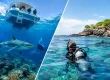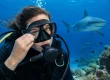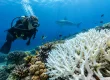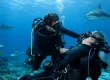
The first thing most people notice about freediving in Fiji is not the depth. It is the calm. Warm water, reef structure that starts shallow and drops away cleanly, and marine life that is active without feeling chaotic all change the rhythm of a session. You are not fighting cold, current, or poor visibility on every outing. You can slow down, focus on technique, and actually enjoy the reason you came.
That matters more than many travelers expect. Fiji is often framed as a scuba destination, and for good reason, but it is also a strong match for freedivers who want more than a pretty backdrop. The best sessions here combine easy water access, reef diversity, and conditions that support both learning and exploration. If you are deciding whether Fiji is worth the trip for breath-hold diving, the answer is yes – with a few important caveats.
Why freediving in Fiji stands out
Fiji has range. On one trip, you can spend time on sheltered reef systems that suit beginners, then move into sites with stronger blue-water appeal, walls, and more dynamic fish life. That variety makes the destination unusually flexible. Newer freedivers can build comfort in forgiving conditions, while experienced divers can look for structure, photography opportunities, and sessions that demand better equalization, relaxation, and finning efficiency.
Water temperature is a major advantage. When you are not burning energy staying warm, breath-hold performance usually feels cleaner and more relaxed. Clear water helps too. Good visibility is not just aesthetically impressive. It improves orientation, supports buddy awareness, and reduces the stress that can creep in when the environment feels closed in.
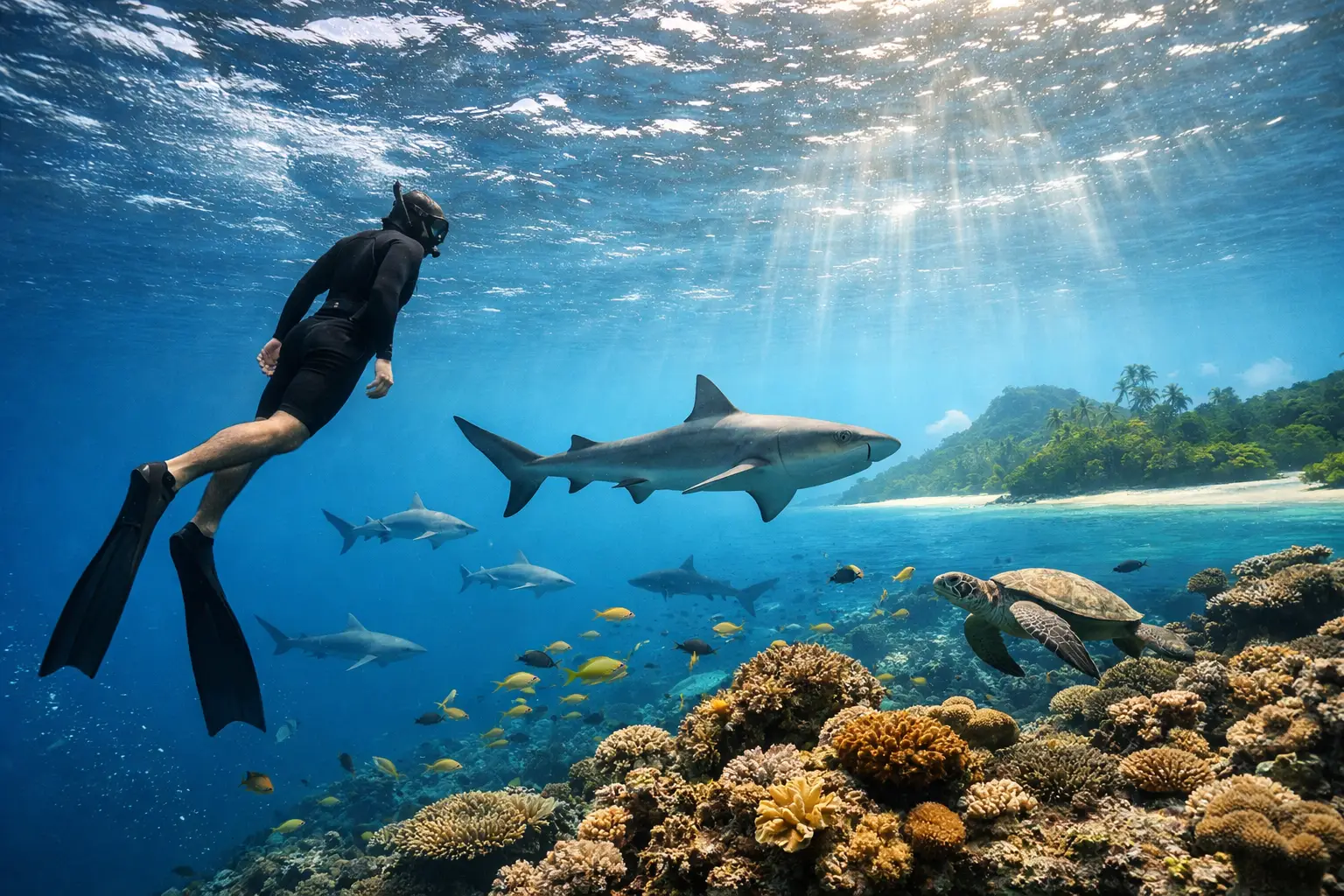
The marine environment is another reason Fiji resonates with underwater athletes and ocean travelers. Hard coral gardens, soft coral color, bommies, reef fish, and occasional larger pelagics all create sessions that feel alive. That said, wildlife is never a guarantee, and serious freedivers know not to chase encounters at the expense of form or safety.
What kind of freediver Fiji suits best
Fiji works well for several types of travelers, but not always for the same reason. If you are new to freediving, it can be an excellent place to start because warm, clear conditions remove some of the friction that slows early progress. You can focus on breathing, body position, equalization, and relaxation instead of spending half the session managing discomfort.
If you already have training and some depth experience, Fiji becomes more of a quality-of-experience destination. The appeal is not only numbers on a line. It is the chance to train or explore in water that feels expansive, with reef topography that keeps sessions visually engaging.
If your priority is highly technical deep-line training every day, though, the answer is more nuanced. Fiji can absolutely support serious freediving, but site selection, weather windows, and operator experience matter. Some travelers assume every tropical island destination is interchangeable. It is not. The best outcomes come from choosing a team that understands safety protocols, local conditions, and the difference between a scenic snorkel-style outing and a properly supervised freedive session.
The real trade-offs to understand
There is no perfect destination, and Fiji is no exception. Reef-rich environments are beautiful, but they do not always mean flat, pool-like conditions. Wind exposure, tides, and current can shape the day more than your travel photos suggest. A site that is ideal for one diver may be frustrating for another, depending on comfort in moving water.
Another trade-off is expectation. Some visitors arrive thinking freediving in Fiji will always mean dramatic drop-offs, constant marine life, and effortless depth. In reality, the best sessions are usually the ones approached with discipline. Relaxation, proper surface intervals, buddy procedures, and conservative planning still matter just as much here as anywhere else.
Travelers who also scuba dive should think through scheduling. Alternating scuba and freediving can be a great way to experience more of Fiji’s underwater world, but the order and timing matter. You need to respect recovery windows and avoid trying to cram too much into a short itinerary. A rushed plan often undercuts both safety and enjoyment.
Best conditions for freediving in Fiji
Warm water is one of Fiji’s most consistent strengths, but conditions still shift by season and by site. Visibility can range from very good to exceptional, especially when swell and runoff are minimal. Mornings often provide calmer surface conditions, which can make duck dives, line work, and buddy observation easier.
For travelers booking a dedicated freedive trip, flexibility helps. If your schedule allows room to choose the better weather days rather than locking every activity into fixed slots, you are more likely to get the water quality you want. This is especially true if you are focused on photography or training progression.
Local guidance is essential here. A professional team can match the day’s conditions to your ability level, which is not just convenient – it is a safety issue. Strong operators will be clear about when a site is right, when it is marginal, and when it is smarter to change plans.
Reef sessions, blue water, and marine life
One of Fiji’s strengths is that freediving does not have to mean just one style of outing. Shallow reef sessions are often the most memorable for travelers because they combine comfort, color, and long surface intervals in water that feels inviting from the moment you enter. These are ideal for newer freedivers, underwater photographers, and anyone who values time spent refining technique rather than chasing a personal best at all costs.
Blue-water sessions have a different appeal. They strip away visual clutter and put more attention on line discipline, mental calm, and clean movement. For experienced divers, that simplicity can be exactly the point. It demands focus.
Marine life adds another layer, but responsible interaction matters. Fiji’s waters are known for extraordinary biodiversity, and that should be treated as a privilege, not a performance. Good freediving practice means observing without crowding, chasing, or disrupting natural behavior. The strongest ocean experiences usually happen when divers move quietly and let the environment come to them.
Training matters more than the destination
A beautiful location can improve motivation, but it does not replace skill. If you are planning your first serious freediving trip to Fiji, consider using the destination as a place to sharpen fundamentals under professional supervision. Equalization, rescue awareness, finning efficiency, and recovery breathing all pay dividends in open water.
This is where an experienced dive operation makes a real difference. The right team will not just show you a site. They will structure the session, brief safety clearly, pair environment to experience level, and keep the focus where it belongs. For travelers who also value broader ocean adventure, operators with strong marine knowledge and high safety standards often deliver the best overall experience. In Pacific Harbour, Coral Coast Divers is known for that professional, conservation-minded approach across underwater activities.
How to plan a better freediving trip
Start by being honest about your level. If you are a beginner, ask for sheltered sites and instruction rather than trying to force advanced conditions into the itinerary. If you are experienced, communicate your goals clearly. Depth, reef exploration, photography, and wildlife-focused sessions all require slightly different planning.
Pack light but smart. Mask fit matters more than almost anything. Bring fins you already trust, a suit that matches your cold tolerance, and any small comfort items that help you stay relaxed between drops. Travel is not the time to discover that your mask leaks or your weighting is off.
It also helps to leave margin in your schedule. Fiji rewards travelers who do not overbuild every day. Fatigue, weather, and surface conditions can all influence performance. A little flexibility often leads to better sessions than an itinerary that tries to maximize every hour.
Is freediving in Fiji worth it?
If you want warm water, strong visibility, vibrant reef structure, and the chance to pair adventure with genuine ocean respect, freediving in Fiji is an easy destination to recommend. Not because it promises perfect conditions every day, but because when planned well, it offers the kind of underwater experience that stays with you long after the trip is over.
The best approach is simple: arrive curious, train conservatively, choose professional guidance, and let the water set the pace.