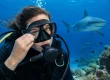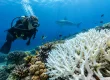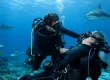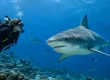
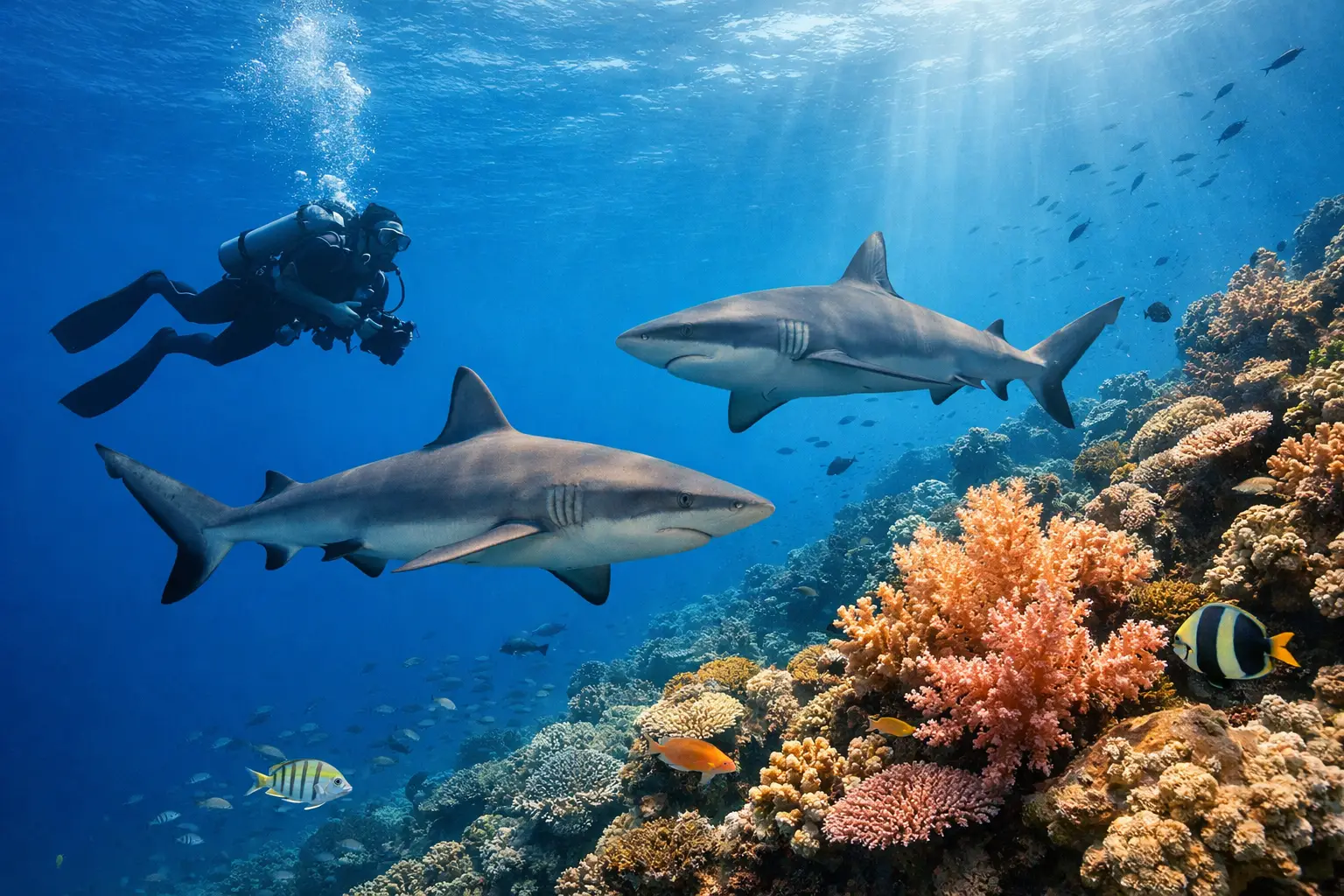
A bull shark materializing out of blue water tends to settle the question fast: the best time to dive Fiji depends on what you want to see, how you like to dive, and how much weather variability you are willing to accept. Fiji is not a one-season destination. It is a year-round dive destination with different strengths across the calendar, from warm-water reef diving to peak shark action and cleaner visibility on many sites.
For most divers, the sweet spot runs from May through October. These months usually bring cooler air, lower humidity, and more stable conditions. But if your trip is built around shark diving in Beqa Lagoon, coral life, underwater photography, or avoiding the busiest travel windows, the answer gets more specific.
Best time to dive Fiji by season
Fiji has two broad seasons that matter to divers more than any tourism label: the dry season and the wet season. Neither makes diving impossible. They simply shape visibility, sea state, rainfall, and comfort between dives.
Dry season: May to October
If you are searching for the best time to dive Fiji with the fewest weather surprises, start here. Dry season typically offers calmer patterns, less rainfall, and more comfortable topside conditions. Water temperatures are a bit cooler, often around 77 to 81 F, which many divers actually prefer for longer dives with proper exposure protection.
This period is especially attractive for travelers planning premium shark diving, reef exploration, and multi-day dive itineraries. Visibility can be stronger on many sites, and cooler water can bring more energetic pelagic activity. For photographers and experienced divers who want cleaner blue water and a more predictable daily schedule, these months are often the strongest choice.
That said, cooler water is a trade-off. Some divers who run cold may want a 5 mm suit or added layering, especially on repetitive dives.
Wet season: November to April
Wet season shifts the equation. Air temperatures are warmer, the ocean is warmer, and the landscape feels intensely tropical. Water temperatures often rise into the low to mid-80s F, which can be very comfortable, particularly for newer divers or anyone doing training.
Rainfall and wind patterns can be less predictable during this stretch, and visibility may vary more depending on recent weather and the specific site. You can still have excellent dives. In fact, many travelers do. But this is the season where flexibility matters more. If you are building your trip around a must-do site or very specific photo conditions, you need to accept a bit more variability.
For some guests, that trade-off is worth it. Warm water, lush conditions, and fewer crowds in certain windows can make wet season a smart choice.
Best time to dive Fiji for shark diving
For divers coming to Fiji with one goal in mind – big, legitimate shark encounters – the cooler months are usually the standout period. In and around Beqa Lagoon, many experienced operators and returning guests favor May through October for consistent, high-quality shark diving conditions.
This is when cooler water and stable weather patterns often support strong action, better overall comfort on the boat, and excellent conditions for observing sharks with clarity and control. That matters when your dive plan is not just about seeing sharks, but seeing them in a professionally managed setting where positioning, safety procedures, and situational awareness shape the entire experience.
In Pacific Harbour, this timing aligns well with bucket-list trips centered on Fiji’s famous shark diving. Divers hoping to photograph bull sharks, reef sharks, and other species often prefer these months because visibility and light can be more cooperative, though exact conditions always depend on the day.
If shark diving is your priority, build your trip around the season first and your flights second.
Best time to dive Fiji for reefs, coral, and wide variety
If your trip is more about Fiji’s full marine range than one signature experience, the answer broadens. Reef diving is rewarding all year, and Fiji earns its reputation through soft corals, hard coral structure, schooling fish, macro life, and healthy biodiversity across many types of sites.
Dry season still tends to be the safer planning window for divers who want a little of everything. It gives you a better shot at stable conditions for outer reef sites, walls, and current-influenced dives. But wet season has its own appeal. Warmer water can be inviting for longer in-water sessions, and some reefs look especially vibrant under those bright tropical conditions between weather systems.
For newer divers, the best month may not be the same as for advanced divers. If you are taking an SSI course, coming back into diving after a long break, or mixing diving with snorkeling and resort time, warm water and comfortable air temperatures can be a real advantage. If you are chasing wide-angle reef scenes and crisp water, dry season often wins.
Visibility, water temperature, and comfort
Conditions in Fiji are not identical from one coast or lagoon to another, so general seasonal advice is only the starting point. Still, there are a few useful planning expectations.
From May through October, visibility is often at its most reliable on many sites, especially after settled weather. Water is cooler, so exposure protection matters more, but many divers feel more comfortable during active dives because they are not overheating on the surface.
From November through April, warmer water is a clear plus. The trade-off is that runoff, rain, or changing seas can affect visibility more noticeably in certain areas. That does not mean poor diving. It means more day-to-day variation.
This is one reason experienced dive travelers choose operators who know local conditions intimately and adjust site selection based on safety, current, visibility, and guest experience rather than trying to force the same plan every day.
When should beginners visit?
If you are learning to dive in Fiji, the best timing depends on your comfort more than your ambition. Many beginners enjoy the warmer water of the wet season because it lowers one layer of stress. You are not thinking about getting cold while practicing skills, and surface intervals feel easy.
But beginners also benefit from stable sea conditions and straightforward logistics, which often point back to the dry season. If you tend to get seasick, value smoother overall travel conditions, or want the best chance of a predictable dive schedule, May through October is a very strong choice.
The real answer is to match the season to your confidence. Warm water can help. Calm, consistent conditions can help even more.
Best time to dive Fiji for underwater photography
Photographers usually care less about average weather and more about the intersection of light, visibility, and subject matter. For wide-angle work, especially sharks and dramatic reef scenes, the drier months are often the best fit. Cleaner water can make a real difference when your frame depends on separation, contrast, and blue-water quality.
For macro and fish behavior, there is more flexibility. A great guide and smart site choice matter just as much as the month. If your photography trip has a specific goal, plan around that goal rather than a generic calendar recommendation.
This is also where conservation-minded diving matters. Healthy protected areas, responsible briefings, controlled group management, and respectful wildlife interaction create better photo opportunities and better long-term outcomes for the ecosystem.
So, what is the best time to dive Fiji?
For the broadest mix of strong conditions, reef quality, and shark diving potential, May through October is the best time to dive Fiji. It is the recommendation that fits the highest number of travelers, especially certified divers coming for signature experiences and dependable planning.
But that is not the only good answer. November through April can be excellent if you prefer warmer water, can stay flexible, and are comfortable with more weather variation. Some divers value that warmth enough to make it their first choice.
The better question is not just when Fiji is best. It is when Fiji is best for your kind of diving. If your trip is built around sharks, photography, and premium guided diving, cooler months usually lead. If comfort in the water and schedule flexibility matter more, the warmer season can be a smart move.
A well-timed Fiji trip is not about chasing a perfect month. It is about matching the season to the experience you actually want underwater, then choosing a professional team that treats safety, marine life, and the dive plan with equal respect.